When to Sell a House in the Bay Area: August 2026
Why preparing now can beat a post–Labor Day launch into shorter light and fresh competition.

When to Sell a House in the Bay Area: August 2026
Why preparing now can beat a post–Labor Day launch into shorter light and fresh competition.
The August Window Is Narrower Than It Looks

If you’re deciding when to sell a house in the Bay Area, look at the light coming through your windows today. August still offers long afternoons, green landscaping, and enough runway to stage, photograph, and launch before the post–Labor Day market reset. Once September begins, buyer schedules may normalize, but fresh listings can also arrive at the same time.
Our view is direct: if your home can be properly prepared now, listing before fall is generally stronger than waiting for a possible market improvement. The opportunity isn’t simply to get online sooner. It’s to enter with polished photography and fewer comparable homes competing for the same buyer’s attention.
That recommendation changes when a property needs meaningful repairs, paint, floor refinishing, or better pricing analysis. A rushed August listing with patchy walls, visible cords, and dim photographs can waste the advantage of limited inventory. In that case, use the extra weeks deliberately rather than treating fall as a better season by default.
The August advantage comes from preparation, not speed alone.
June Data Shows Activity Without Broad Price Growth
The latest comprehensive closed-sales report available at the August 17 research cutoff comes from the California Association of Realtors. In June 2026, the Bay Area median price for an existing single-family home was $1.40 million. That figure was unchanged from the prior year and 3.4% below May, while sales increased 7.8% year over year. More homes changed hands, but regional pricing did not rise with that activity.
Supply remained constrained. According to C.A.R.’s June report, the region had 2.1 months of unsold inventory, down from 2.7 months in June 2025. Median time on market shortened from 20 days to 17 days. Picture a weekend open house with shoes collecting near the entry and several conversations running at once: qualified buyers are active, especially when a home feels ready from the first showing.
Still, these regional averages can hide sharp differences between a renovated house, a dated condominium, and a suburban property priced against newer competition. Low inventory improves the setting for a sale. It does not excuse ambitious pricing or weak presentation.
San Francisco, the South Bay, and East Bay Need Different Plans
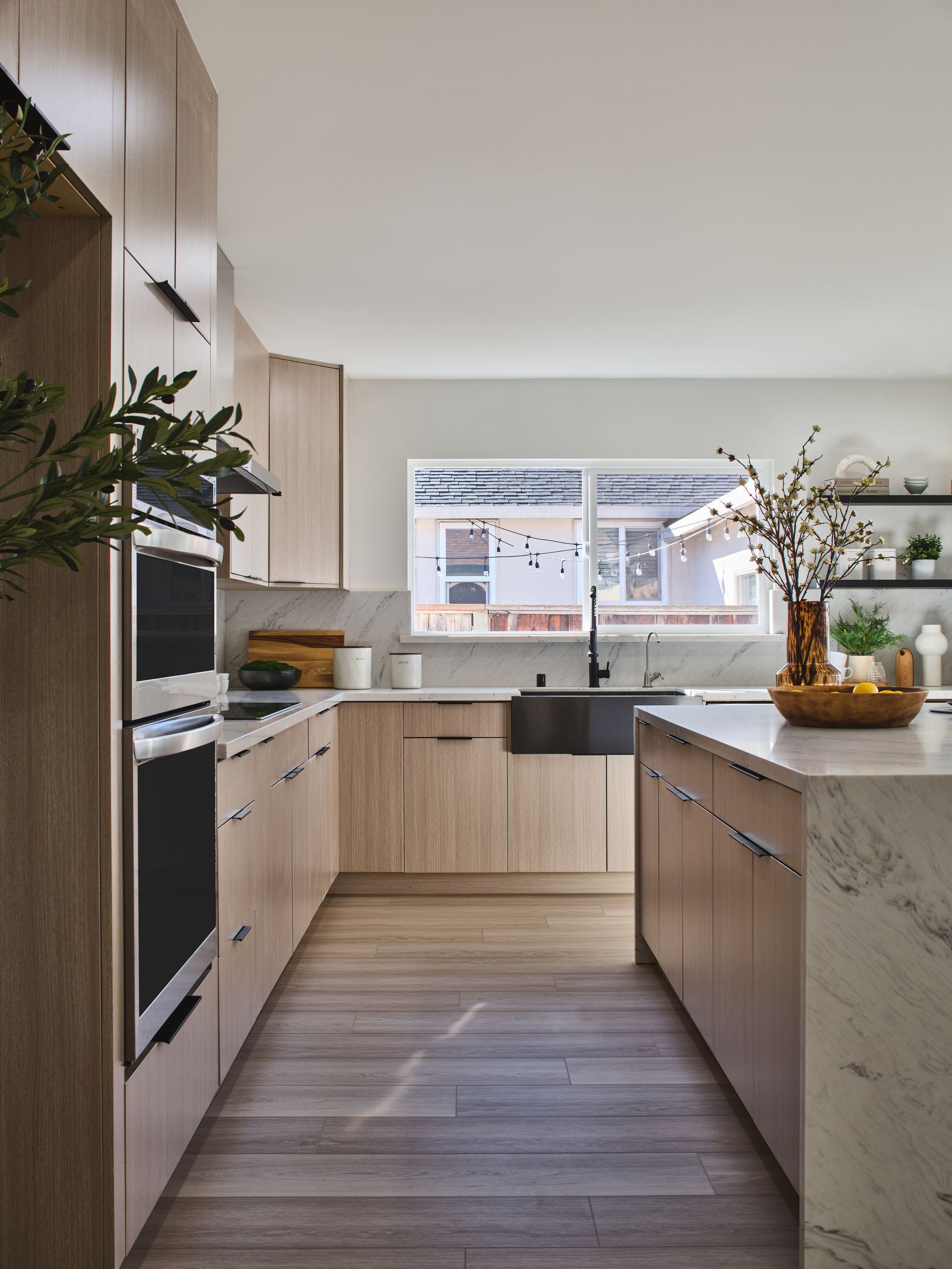
San Francisco single-family sellers currently have the clearest argument for moving now. C.A.R. reported a June median price of $2.128 million, up 24.8% year over year, with just 0.7 months of inventory. Median market time was 30 days, down from 33 days a year earlier. Redfin’s broader measure across home types also showed strength: a $1.725 million median, 23% sales growth, and a 16% decline in new listings.
That demand is selective. The San Francisco Chronicle described a K-shaped market in which renovated San Francisco houses and certain luxury properties attract strong interest, while dated homes and some East Bay condominiums move more slowly. Buyers notice the difference between warm oak floors under clean window light and rooms burdened by worn carpet, heavy drapes, and deferred maintenance.
Santa Clara County tells another story. Its June single-family median was $1.95 million, down 7.6% year over year, even with inventory at 1.7 months and median market time at 11 days. Alameda County’s $1.325 million median was nearly flat year over year, while inventory fell to 1.9 months. For South Bay and East Bay sellers, restrained pricing and crisp preparation matter more than a broad claim that low supply guarantees leverage.
Bay Area inventory is limited, but buyer urgency is not evenly distributed.
Waiting Until Fall Is Mainly a Mortgage-Rate Bet
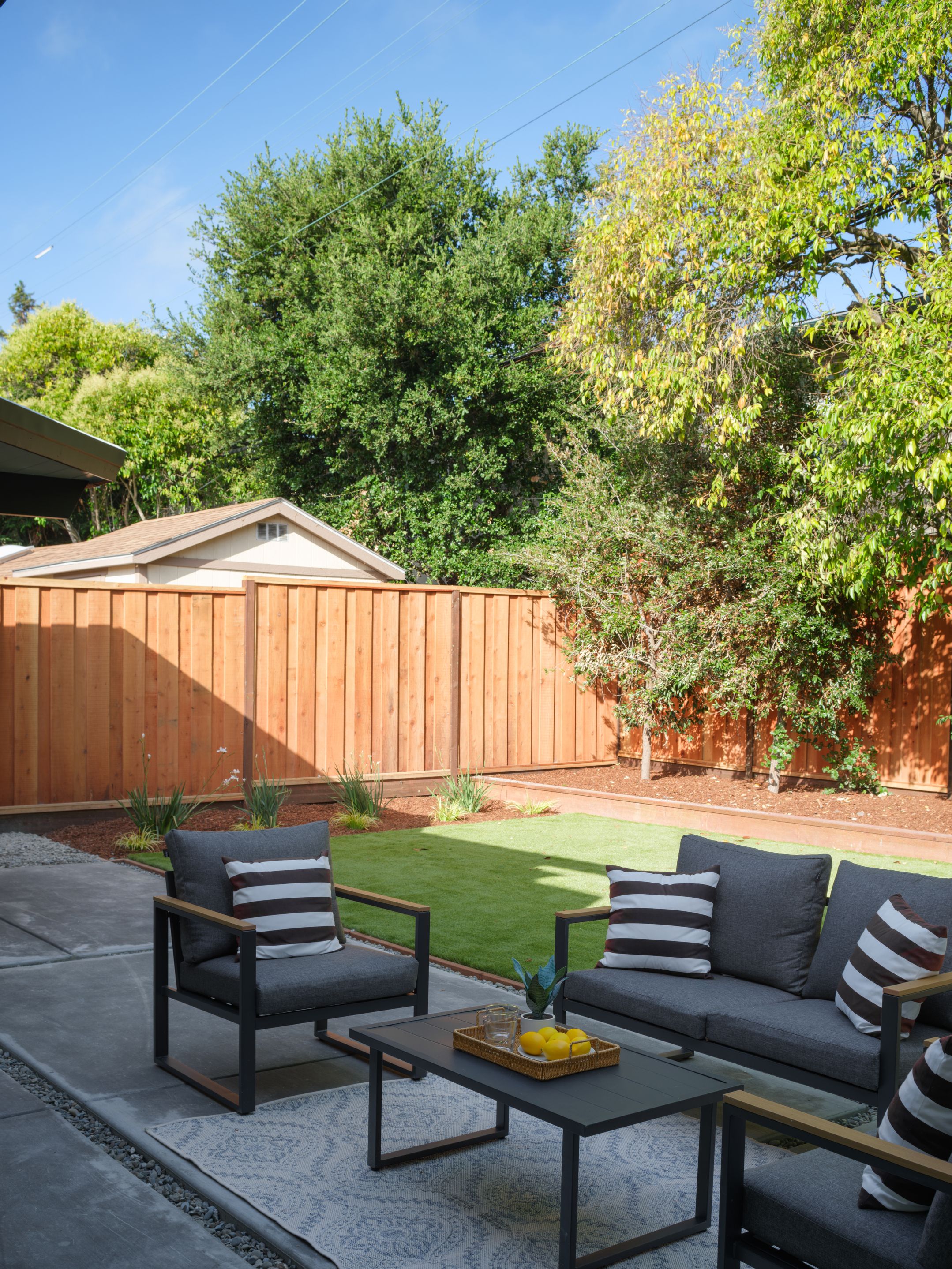
The strongest reason to wait is the possibility that lower mortgage rates could improve buyer purchasing power. But that outcome is uncertain. Freddie Mac data reported on August 13 placed the average 30-year fixed rate at 6.67%, slightly below the prior week’s 6.69% but above the 6.58% average from one year earlier. The 15-year fixed rate averaged 5.96%.
At these rates, buyers tend to study monthly payments closely. An East Bay buyer may admire the quiet garden and soft wool rug, then hesitate over an aging roof or an asking price that assumes multiple offers. CBS San Francisco reported bidding wars in San Francisco alongside longer marketing periods and price reductions for some suburban listings.
Waiting for cheaper financing can help if rates actually decline, but waiting also means accepting shorter days and possible competition from other fall sellers. A homeowner who is ready now has something tangible: constrained current supply. A future rate change is only a possibility.
Stage and Photograph Before the Light Changes
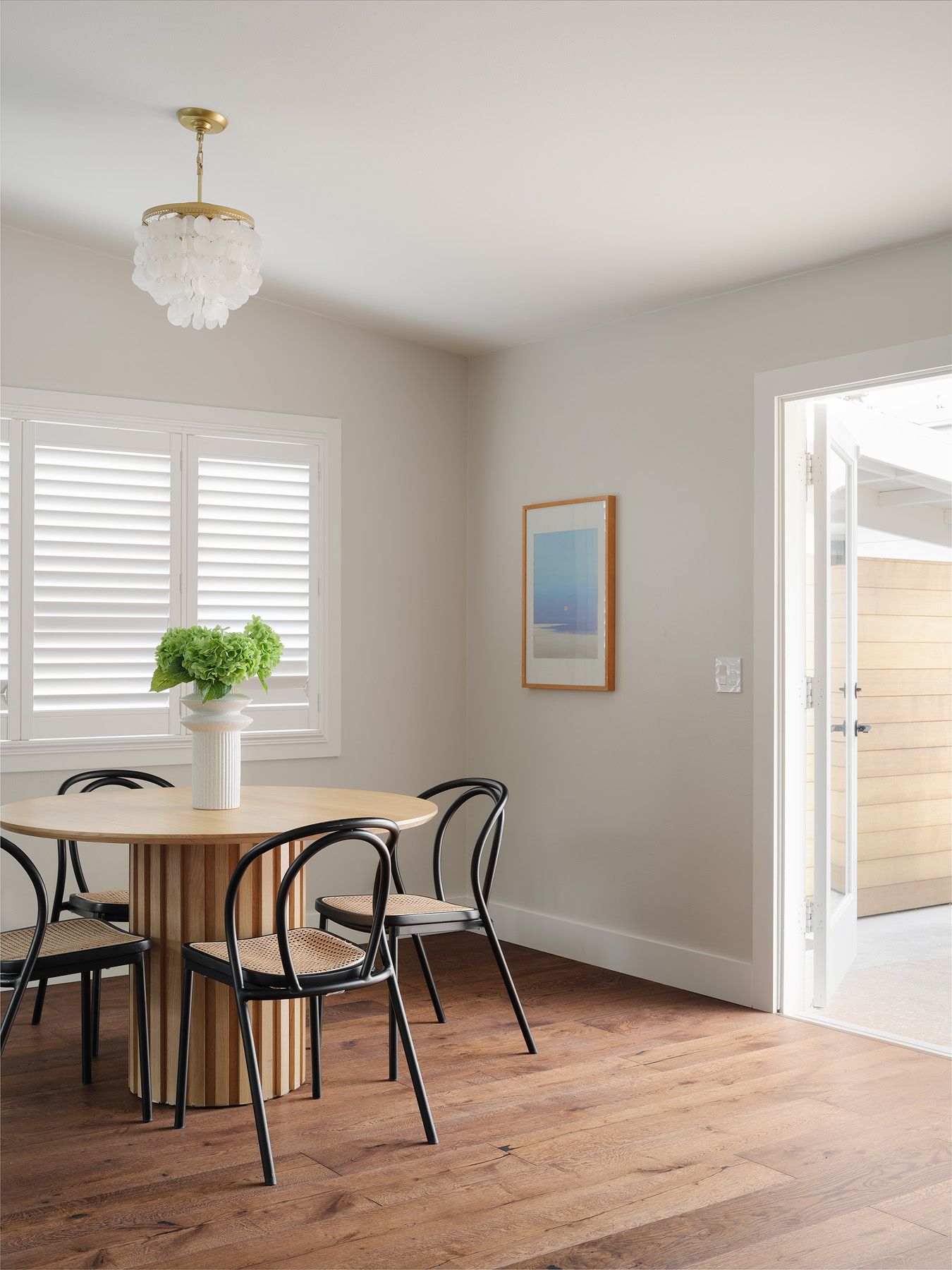
Even if your listing date lands after Labor Day, staging and photography should begin now when the property is ready. Late-summer daylight reaches deeper into many rooms and gives photographers more scheduling flexibility. By October, the same living room may show long shadows across the floor before an afternoon shoot is complete.
Staging means arranging a vacant or occupied home so buyers can understand its scale and imagine daily life there. It should clarify the architecture, not cover every surface. A low-profile sofa can preserve a window view. A round dining table can ease circulation through a tight passage. Linen, walnut, stone, and wool add texture without making the photographs feel crowded.
This restraint matters in the current market because buyers are rewarding condition. August home staging in the Bay Area should focus first on visible maintenance, balanced furniture scale, consistent lamp color, and clear pathways. Decorative layers come later. Review our portfolio to see how controlled furniture placement helps buyers read a room quickly.
Use a Readiness Test, Not a Calendar Rule
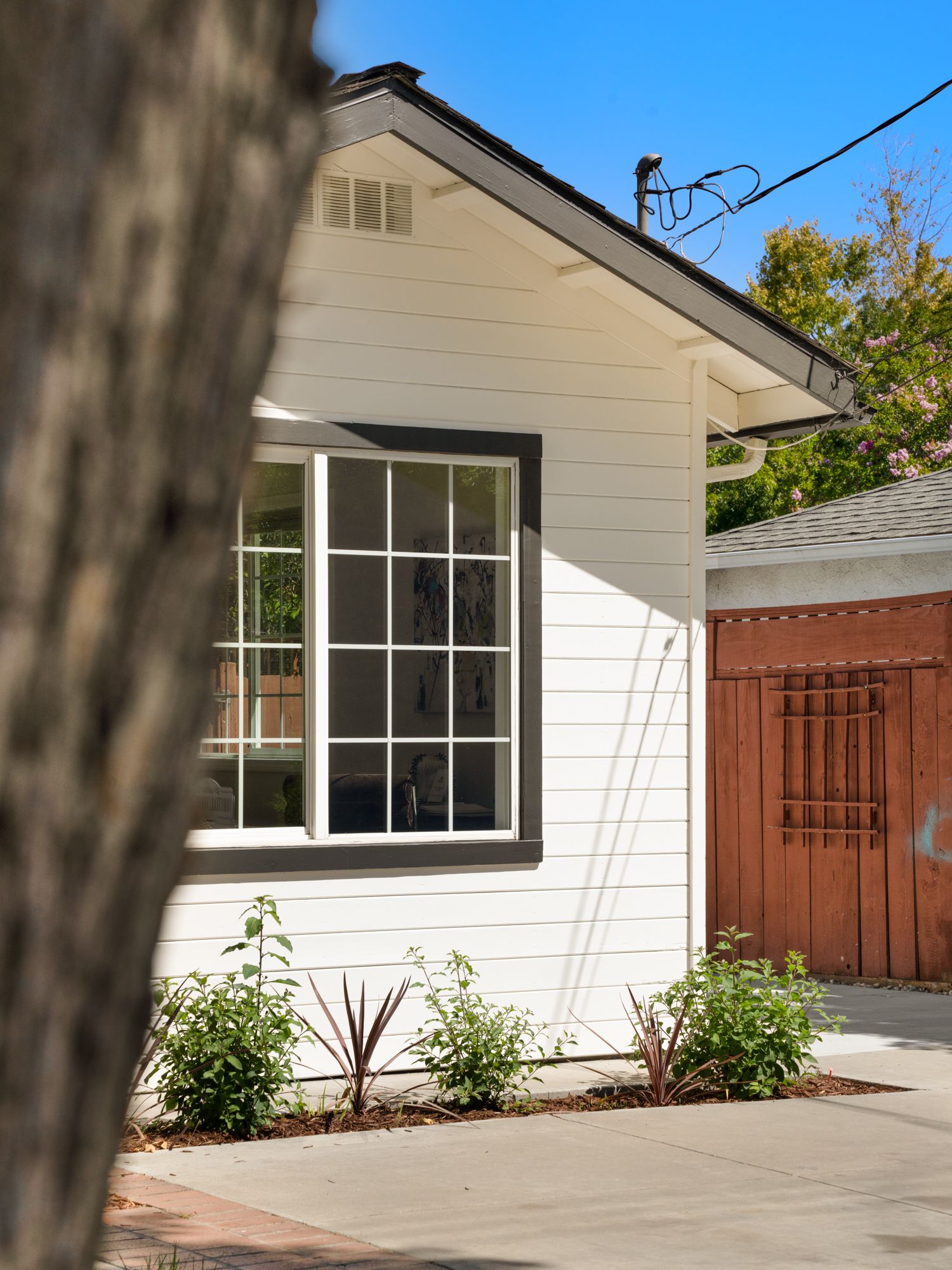
The best time to list a house in the Bay Area is when three conditions meet: the property is physically ready, the pricing reflects its immediate submarket, and the launch materials are complete. Walk through the home as if you had never seen it. Listen for a rattling vent, open every stiff drawer, and notice whether the entry smells like fresh paint, pets, or closed windows.
List in August if repairs are minor, staging can be installed promptly, and your agent has current comparable sales that support the price. This path is especially compelling for a well-maintained San Francisco house entering exceptionally lean inventory. Photography, floor plans, disclosures, and listing copy should be coordinated before the home appears online.
Wait until fall if the extra time will produce a material difference: refinished floors, corrected lighting, neutral paint, repaired landscaping, or a better staging plan. Do not wait simply because September sounds more active. If you postpone, set a workback schedule and use professional home staging and consultation services to keep preparation moving.
Choose the Window Your Home Can Actually Use

August 2026 offers a real opening, particularly where inventory is tight and buyers are concentrating on renovated, well-presented homes. The room still needs to earn their attention. Clean window glass, a quiet color palette, and furniture that leaves breathing space around doors and views will do more than adding another decorative object.
For most sale-ready homes, we would favor staging and photographing now, then launching before fresh fall competition and shorter daylight complicate the presentation. For homes that need work, fall can still be the right choice when those additional weeks lead to visible improvements.
Market timing matters, but execution decides whether you benefit from it. Build the launch around your property’s condition, location, and buyer pool rather than a general seasonal rule.
Frequently Asked Questions
- Is August 2026 a good time to sell a Bay Area house?
- For a sale-ready home, August 2026 offers constrained regional inventory and longer daylight for photography. Local conditions differ, so pricing and property type should guide the final launch date.
- Should I wait until after Labor Day to list?
- Waiting may give you time to complete repairs or benefit from a possible mortgage-rate decline. It may also bring shorter daylight and additional fall listings. Rates are not guaranteed to fall.
- Does staging matter when Bay Area inventory is low?
- Professional staging can help buyers understand room scale, circulation, and intended use. It is especially relevant when buyers are favoring updated, well-maintained properties over dated competition.
- When should I stage and photograph for a fall listing?
- Begin once repairs, painting, and cleaning are complete. If the property is ready, staging and photography in August can preserve more flexible natural-light conditions for an early-fall launch.
- Is the market equally strong across the Bay Area?
- Recent data shows stronger conditions for San Francisco single-family homes than for some South Bay and East Bay segments. Property type, neighborhood inventory, condition, and price point all affect the decision.


