Warm Minimalist Home Staging for Bay Area Sellers
A calm, warm, and buyer-safe staging approach for June listings that need to feel airy without feeling bare.
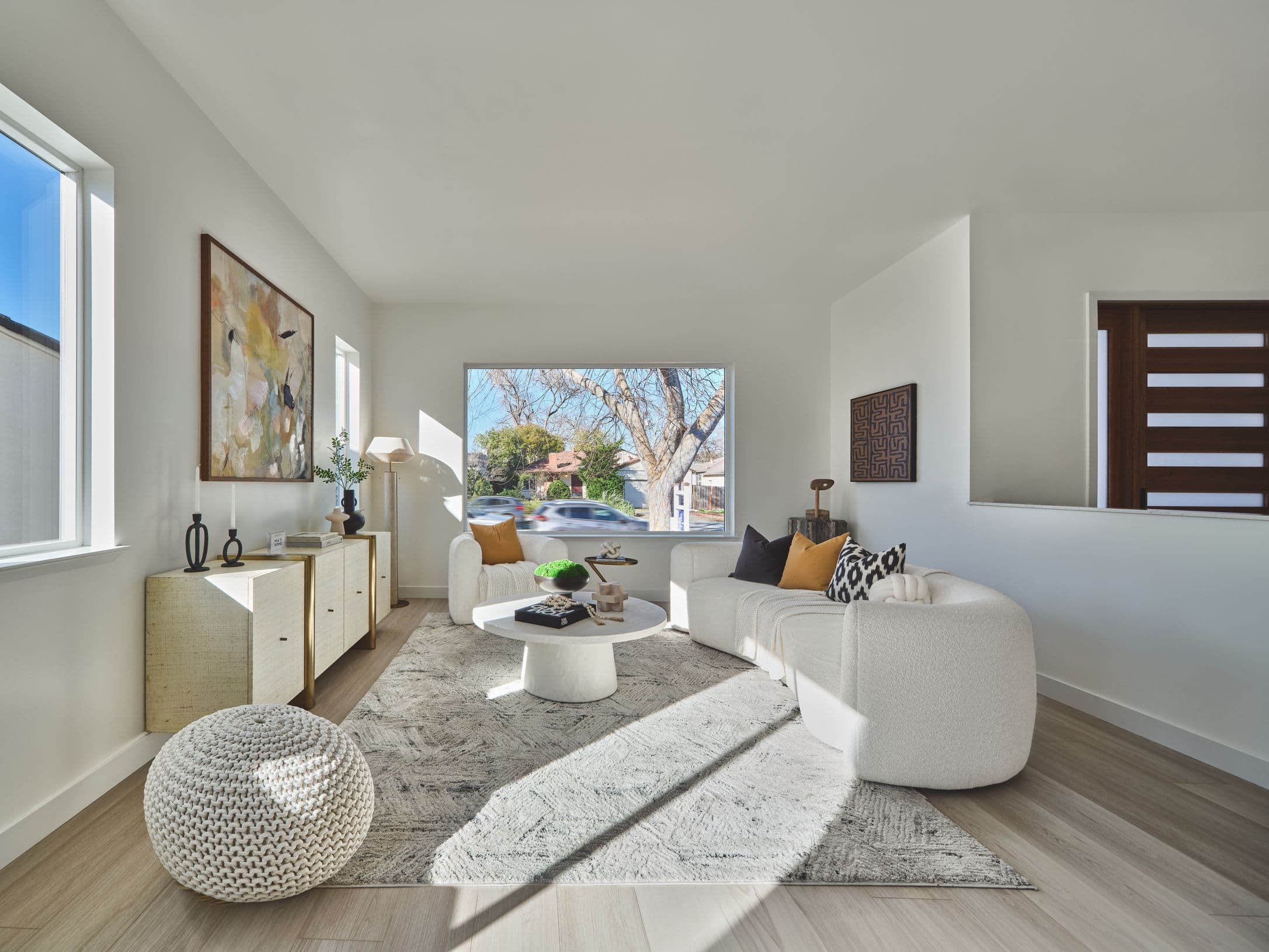
Warm Minimalist Home Staging for Bay Area Sellers
A calm, warm, and buyer-safe staging approach for June listings that need to feel airy without feeling bare.
Start With Air, Not Emptiness
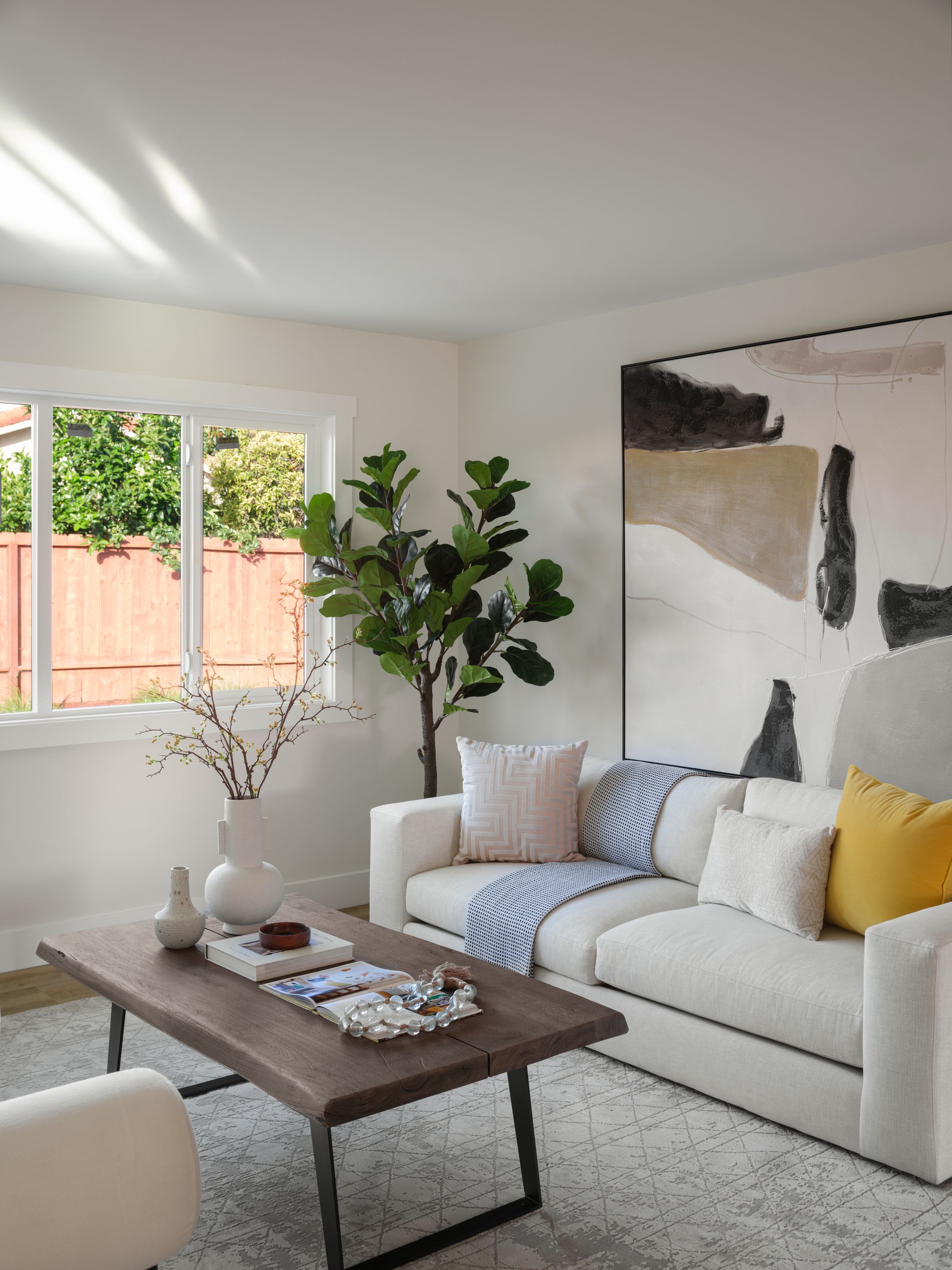
Warm minimalist home staging works best when a room still feels like someone could live well there. Not loudly. Not with every shelf filled. Just enough softness that a buyer can feel the floor under their shoes, the afternoon light on a linen sofa, and the easy path from the entry to the kitchen.
That distinction matters in Bay Area homes, especially in June. The light is brighter, open houses run longer, and buyers often walk in already comparing three or four listings in their head. A stripped-down room can feel cold fast. A warm minimalist room gives the eye a place to rest without making the space feel under-furnished.
Our opinion is simple: warm minimalism is the safest design trend for a seller when it is done with restraint. It reads current in photos, feels calm in person, and does not force a strong lifestyle onto the buyer. The goal is not to show how little you own. The goal is to make the home feel clear, elevated, and ready for its next chapter.
Warm minimalism is not about having less furniture. It is about removing the noise buyers do not need.
Why Bay Area Buyers Respond to Warm Minimalism
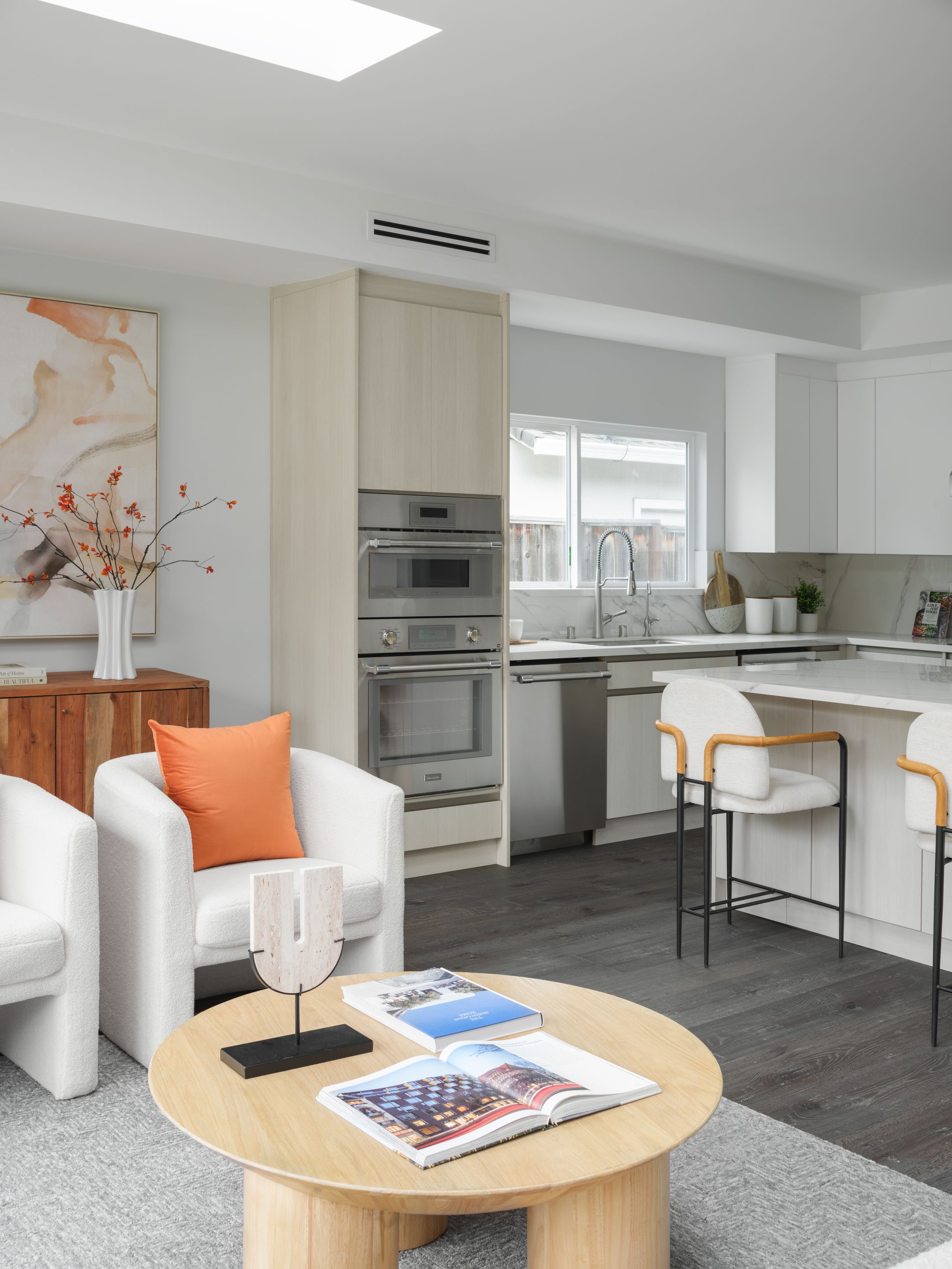
Many Bay Area buyers live with visual overload before they even reach your front door. They have tabs open, alerts set, inspection reports to review, and traffic noise still sitting in their shoulders. When they step into a listing, the first few seconds matter. Pale oak, a wool rug, warm lamp light, and a quiet seating plan tell the nervous system to slow down.
That is why warm minimalist home staging fits so well with current Bay Area interior design trends. Buyers want homes that feel edited, healthy, and flexible. They are looking at square footage, commute patterns, school zones, and monthly costs; the staging should not add another layer of decision fatigue.
Minimalist staging ideas can help, but only if they protect warmth. A bare dining room with six sharp black chairs may photograph clean, yet it can sound hollow when people walk through it. Add a textured rug, a low ceramic bowl, and dining chairs with a softer line, and the same room starts to feel grounded. The scale stays simple. The mood changes.
Build the Palette From Warm Neutrals

A warm neutral color palette does more work than most sellers realize. Cool white walls, gray upholstery, and chrome accents can make a room feel crisp, but in many Bay Area homes, especially ones with fog-filtered mornings or shaded lots, that combination can turn flat. Warm white, flax, oatmeal, mushroom, clay, and muted sand hold light better.
Start with the largest surfaces. Walls, rugs, sofas, beds, and drapery set the temperature of the room. If those pieces lean warm, you can keep everything else very simple. A cream sofa with a nubby weave has more life than a plain white one. A taupe rug with a tight wool texture gives the camera something to catch without announcing itself.
Then add contrast in small, steady doses. Walnut, aged brass, blackened metal, smoked glass, and deep olive branches can sharpen a warm room without making it feel heavy. The trick is spacing. One dark wood coffee table can anchor a living room. Five dark pieces can close it in.
For seller prep, this also helps control costs. You do not need to repaint every surface or buy a new room of furniture. Often, the better move is to remove the icy pieces, layer warmer textiles, and adjust the lighting temperature so the home does not read blue in listing photos.
Use Texture So the Room Does Not Feel Sterile
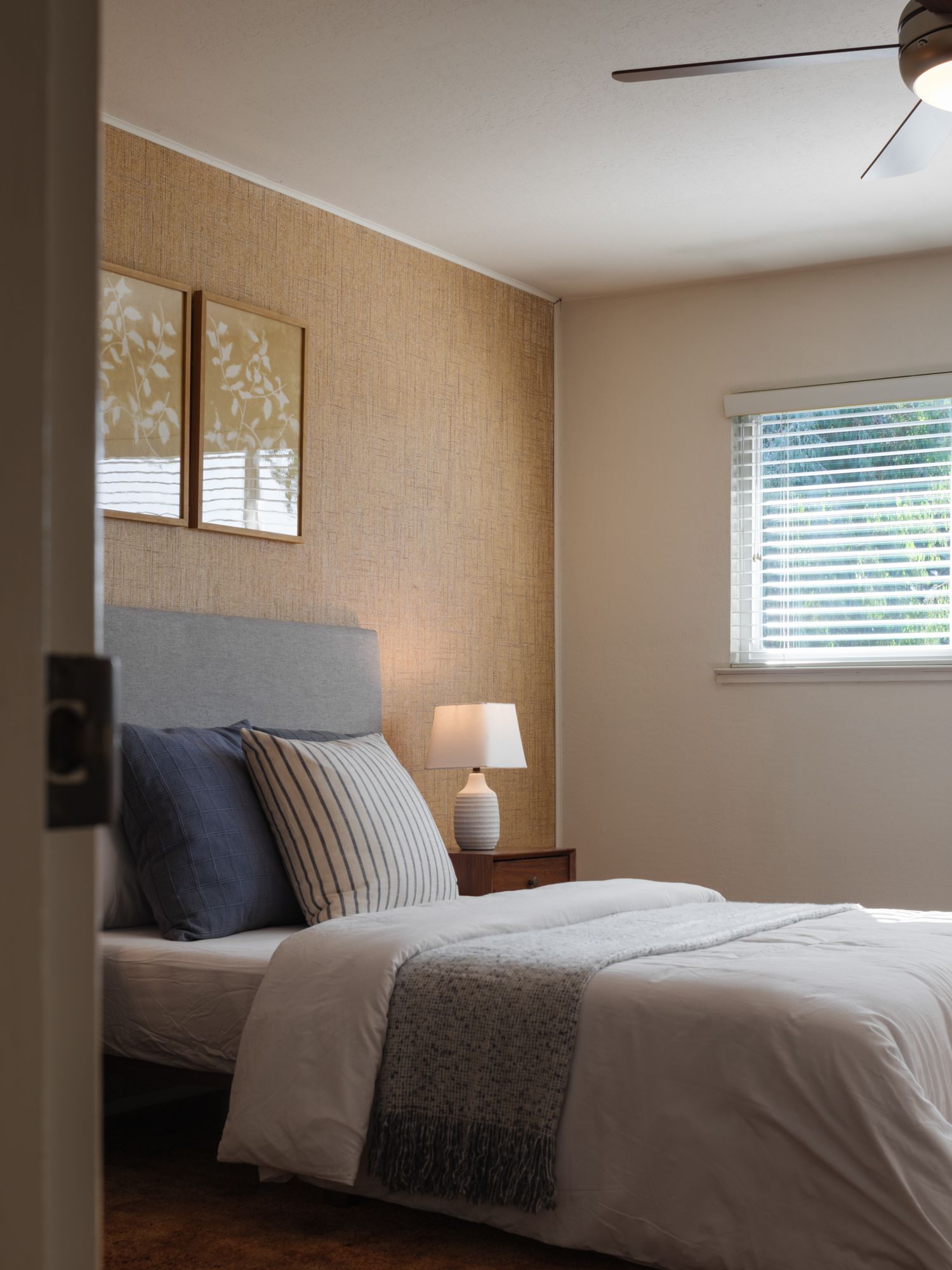
Minimal rooms need texture the way kitchens need good cabinet pulls. Without it, everything feels too smooth, too thin, and too temporary. Buyers may not name the problem, but they feel it when a room has no softness underfoot and no material variation at eye level.
Think in layers you can see and almost hear. Linen drapes moving slightly near a sliding door. A boucle chair with a soft, pebbled surface. A hand-thrown ceramic lamp on a quiet console. A wool rug that dampens footsteps in a long hallway. These details keep warm minimalism from becoming a showroom exercise.
This is where staging differs from personal decorating. At home, you may love a gallery wall, a patterned quilt, or a collection of travel objects. For sale, those pieces can pull attention away from the architecture. We still want texture, but we want texture that supports the house: woven shades for a sunny breakfast nook, a ribbed glass vase on a mantel, a matte black bowl on a pale stone counter.
Texture also helps older homes compete with newer listings. A freshly built condo may have clean lines and even lighting. A character home may have plaster walls, old wood floors, and a few quirks. Warm minimalist staging can connect those qualities instead of fighting them. The room feels intentional, not dated.
Edit the Layout Before You Edit the Decor
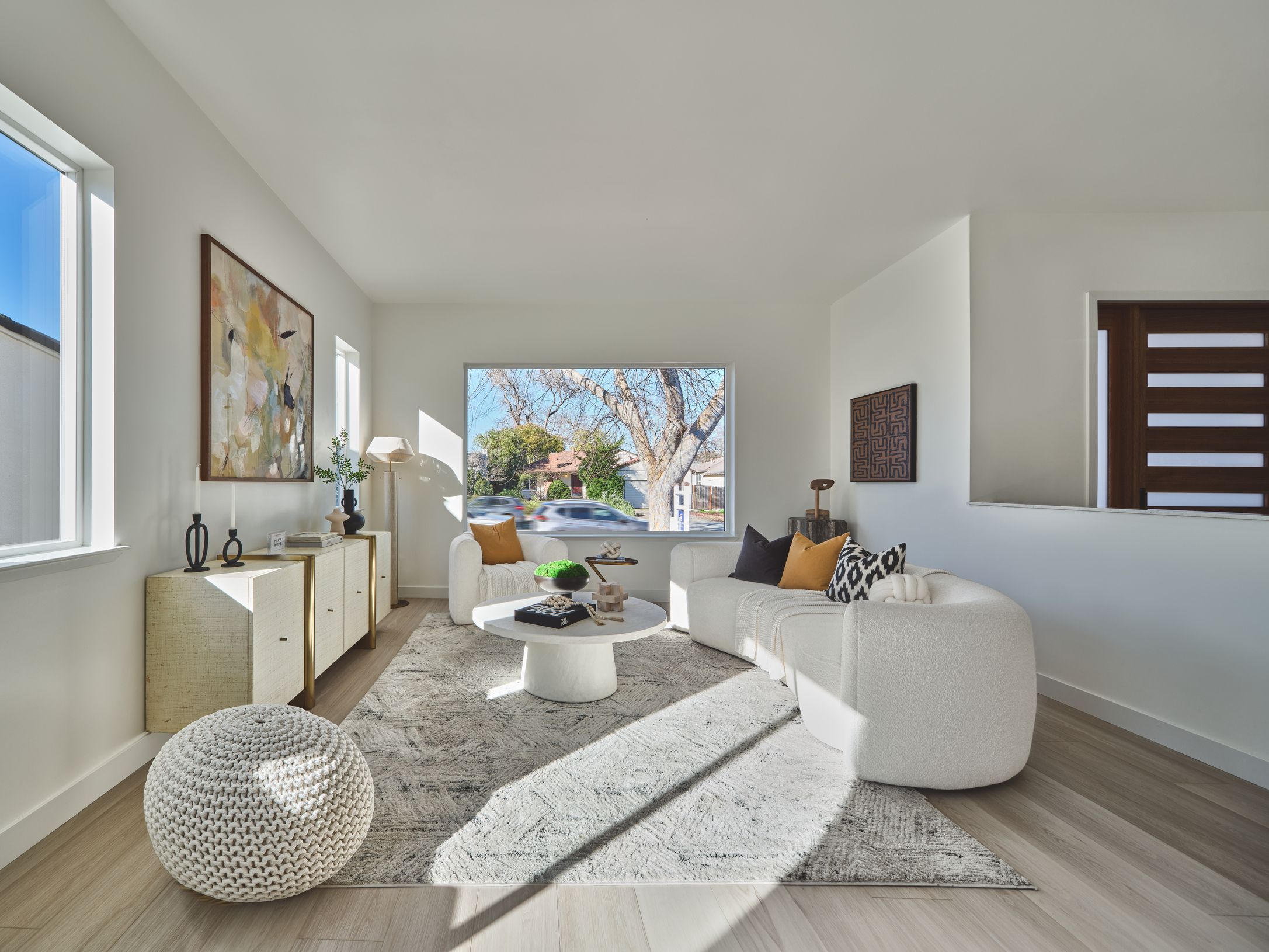
Before we talk about pillows, we look at circulation. Can two people pass each other between the sofa and the coffee table? Does the primary bedroom door open cleanly? Can a buyer stand at the kitchen island without bumping into a stool? Good staging starts with spatial honesty.
Warm minimalism depends on breathing room, but breathing room does not mean pushing every piece against a wall. In a living room, a floating sofa can define the seating area and make the floor plan feel more generous. In a narrow bedroom, a lower-profile bed and slimmer nightstands can create a calmer line from the doorway to the window.
Every room needs a clear job. A small bedroom can become a guest room, office, or nursery, but it should not try to be all three at once. A formal dining room should not also hold storage bins, a piano, and a spare desk. Buyers need quick translation. When they walk in, the room should answer: this is where dinner happens, this is where work happens, this is where the day gets quiet.
This is also where a professional eye can save time. At Mia’s Home Staging, we look at the way buyers will move through the home, not just how each room looks in a single photograph. You can see this approach in our portfolio, where the furniture plan often does as much work as the furniture itself.
Keep the Styling Buyer-Safe, Not Bland
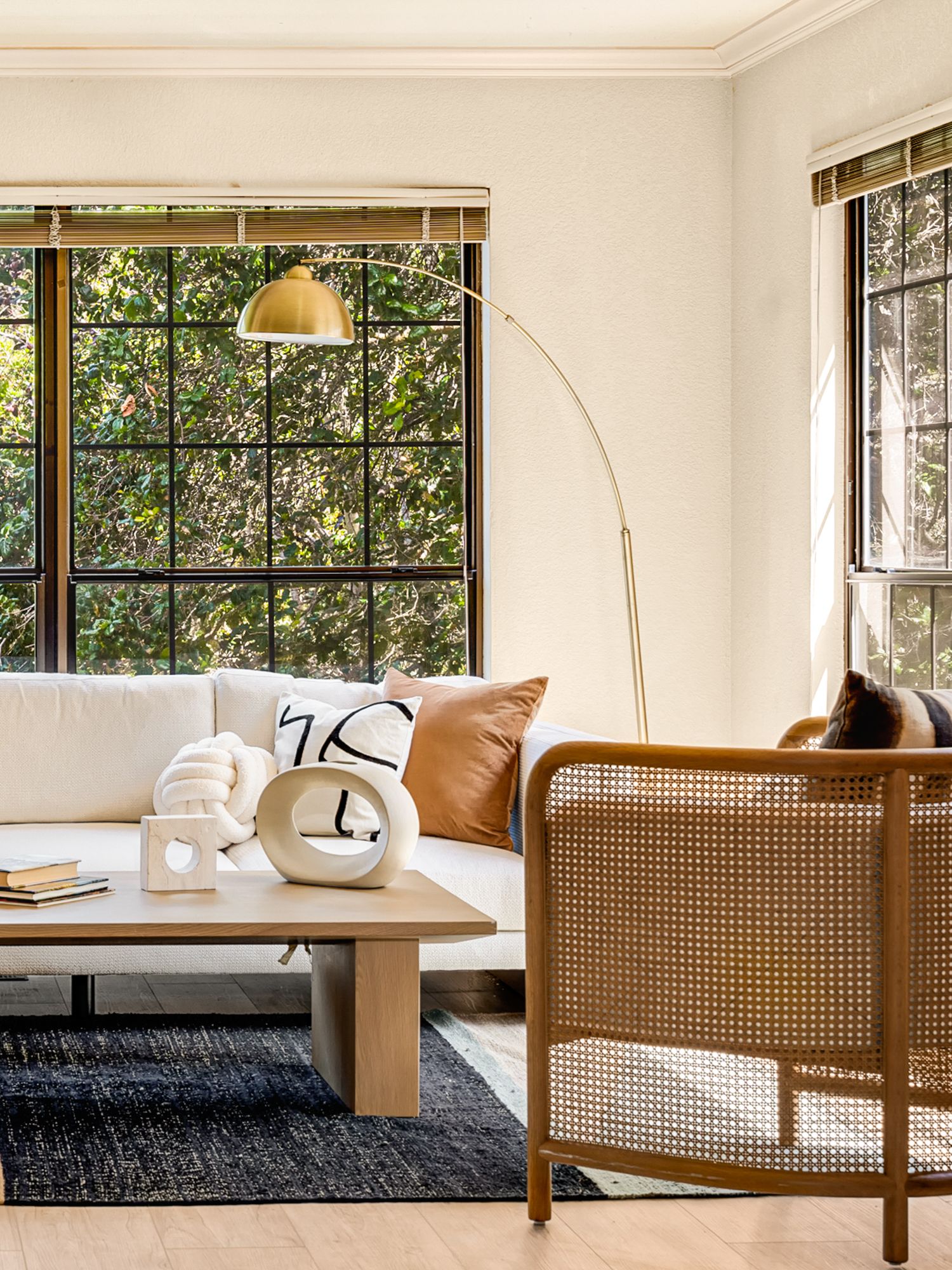
Buyer-safe does not mean beige everywhere. It means the home avoids choices that make buyers feel like guests in someone else’s life. Family photos, bold political books, heavy fragrance, religious objects, and highly specific hobby gear should step out before showings. The air should smell clean, not perfumed.
Then we bring in quiet signals of care. A folded throw at the foot of the bed. Two stoneware mugs on an open shelf. Fresh greenery with a sculptural shape, not a fussy bouquet that sheds petals onto the counter. A single art piece above the console with enough negative space around it to let the wall breathe.
The difference between warm and personal can be subtle. A stack of design books can feel polished if the covers stay neutral and the scale works with the table. A stack of family albums will pull the buyer into your story instead of letting them imagine their own. A candle can add texture as an object, but a strong scent can distract buyers and raise questions about what the home is covering.
For June listings, keep seasonal styling light. Skip heavy throws, dark florals, and overly coastal props unless the property truly calls for them. Use sheer linen, pale wood, ceramic, and greenery that can handle bright window light. The room should feel fresh without looking like a themed summer display.
Photograph the Calm, Then Let It Hold Up In Person
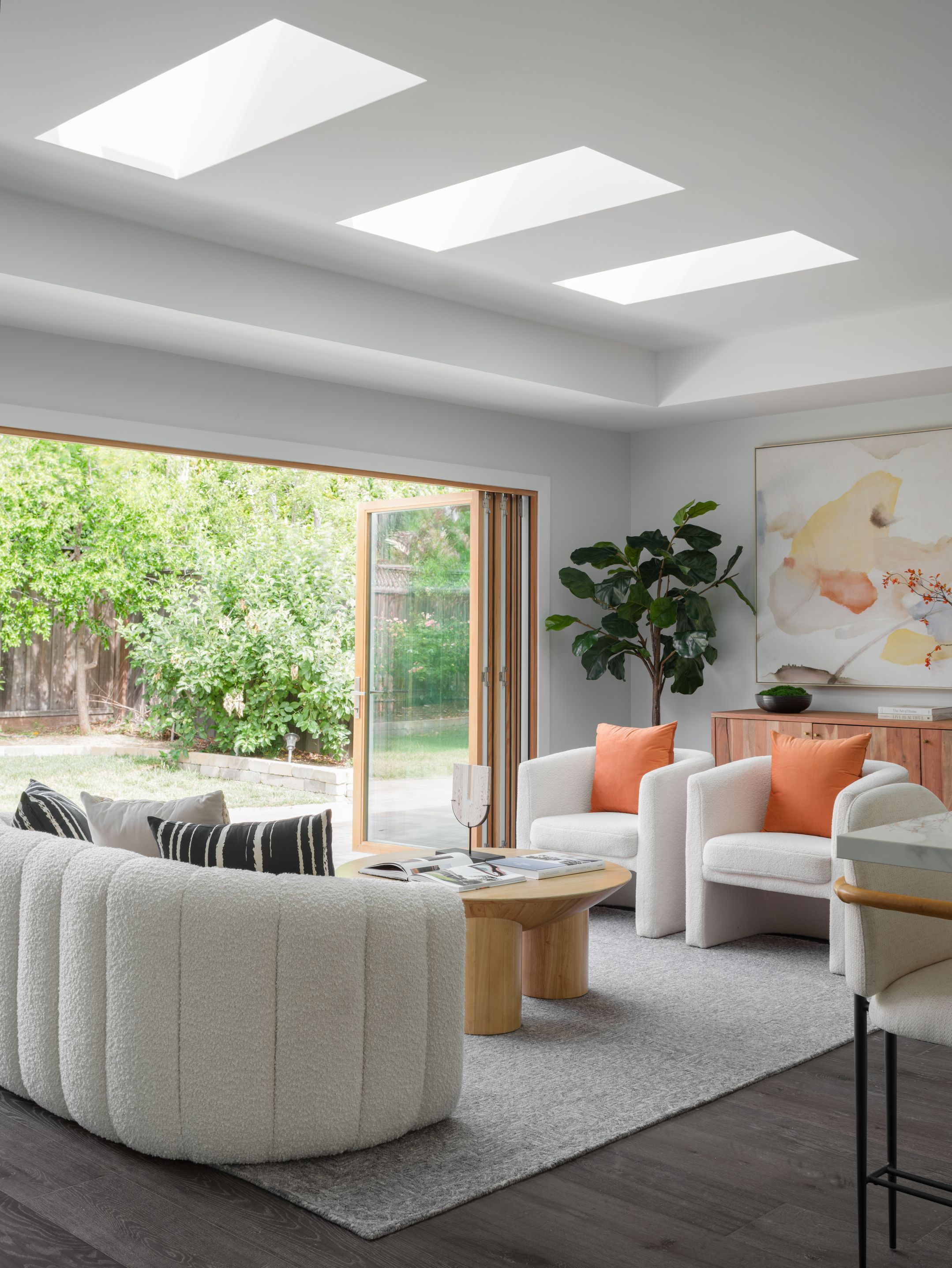
A listing has to work twice: once on a screen, then again when buyers arrive. Warm minimalist home staging gives photographers clean compositions, but it also protects the in-person experience. The sofa should not look full in photos and feel skimpy in the room. The dining table should not look elegant online and echo loudly during a showing.
Lighting ties those two experiences together. In photos, warm white bulbs can make wood tones and textiles feel richer. In person, consistent lamp temperature keeps the home from feeling patched together. If the living room glows amber and the kitchen reads blue, buyers may not know why the transition feels off, but they will feel the shift.
Pay attention to small sounds and surfaces before the first open house. A rug pad can soften footfall. A loose dining chair can make the whole room feel neglected. A sticky sliding door can interrupt the calm you worked to create. Staging sets the mood, but maintenance keeps the mood believable.
If you are deciding between physical staging and a lighter consultation, the right answer depends on what the home already has. Vacant homes often need full staging because empty rooms ask buyers to do too much mental work. Occupied homes may need editing, layout changes, and selected rental pieces. Our services page explains both paths so you can choose the level of support that fits the listing.
The Takeaway: Calm Sells When It Still Feels Human
Warm minimalism works because it respects the buyer’s attention. It does not shout. It does not flatten a home into a white box. It uses warm neutrals, tactile materials, cleaner layouts, and fewer distractions so the property can speak clearly.
For Bay Area sellers, that balance matters. Buyers here often move quickly, compare carefully, and carry a high bar for design. A calm, move-in ready home gives them fewer reasons to hesitate. They can notice the windows, the floor plan, the kitchen storage, and the way morning light crosses the bedroom wall.
The best version of warm minimalist staging feels edited, not empty. It feels upscale, but not fragile. It gives buyers enough beauty to remember the listing and enough space to imagine themselves living there. That is the line worth holding.
Frequently Asked Questions
- What is warm minimalist home staging?
- Warm minimalist home staging uses simple layouts, warm neutral colors, natural textures, and restrained styling to make a home feel calm and buyer-ready. It is not the same as leaving rooms empty; the goal is to create warmth and clarity without personal clutter.
- What colors work best for warm minimalist staging?
- A warm neutral color palette usually includes warm white, cream, oatmeal, taupe, mushroom, flax, clay, sand, and soft greige. These tones tend to photograph well and help rooms feel lighter without becoming cold.
- Do I need full staging to get a warm minimalist look?
- Not always. Many occupied homes benefit from editing, furniture rearrangement, updated textiles, better lighting, and a few selected rental pieces. Vacant homes usually need more complete staging because empty rooms make scale harder for buyers to read.
- Is warm minimalism a good fit for Bay Area listings?
- Yes, when it is done with enough texture and warmth. The approach works across condos, townhomes, and single-family homes because it helps buyers focus on space, light, and flow instead of personal decor.
- What mistakes should sellers avoid with minimalist staging?
- Avoid removing so much that the home feels cold, using only cool gray and white, adding strong fragrance, or choosing decor that feels too personal. Warm minimalism should feel calm and lived-in, not sterile.


