Vacant Home Staging Bay Area: Is It Worth It?
Compare presentation, carrying costs, market time, and price-reduction risk before you list empty.

Vacant Home Staging Bay Area: Is It Worth It?
Compare presentation, carrying costs, market time, and price-reduction risk before you list empty.
An Empty Room Still Sends a Message
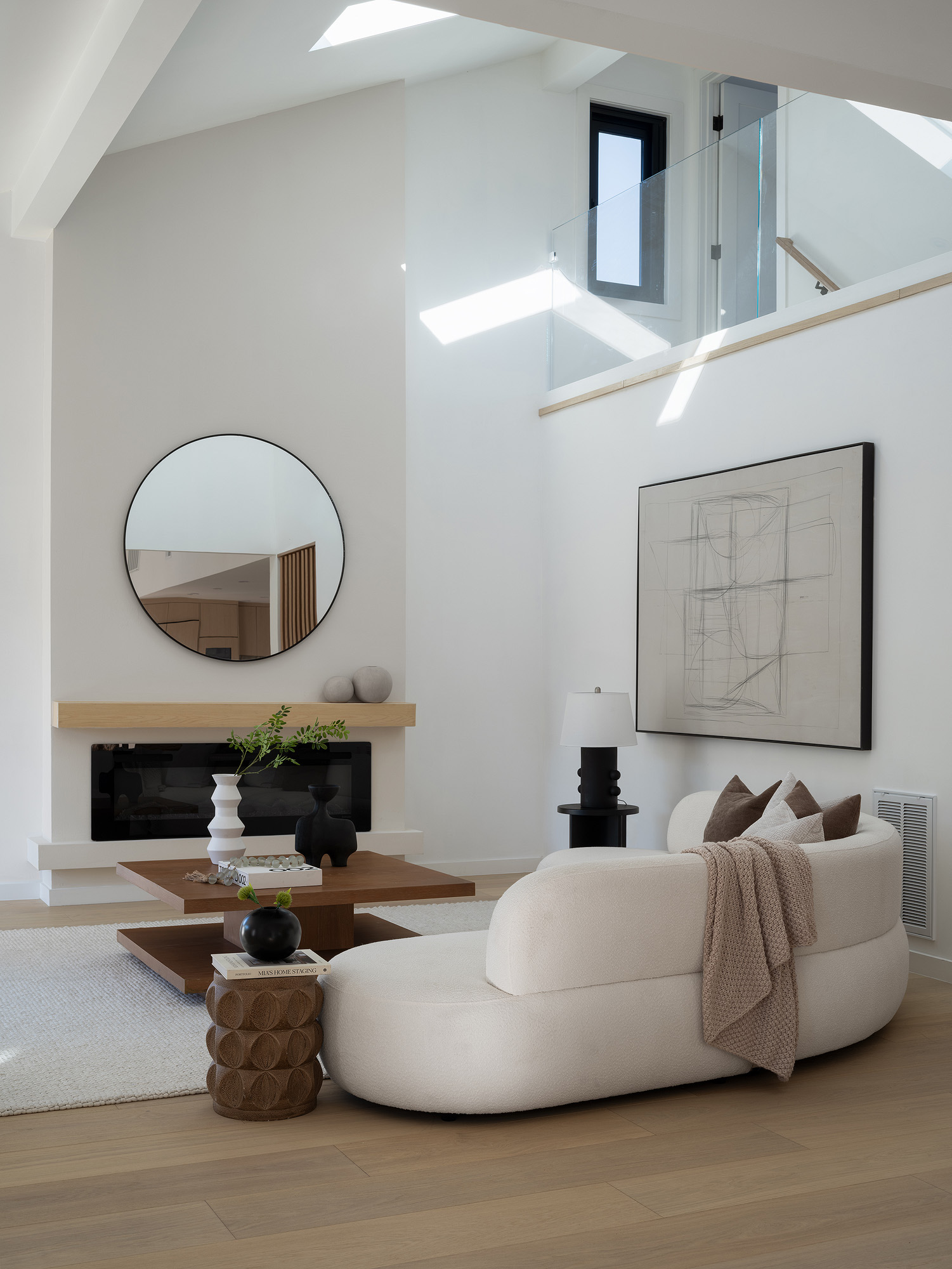
The first photo shows a bright living room with white walls, bare floors, and sunlight pooling near the windows. It looks clean. It also gives the eye nowhere to land. For homeowners weighing vacant home staging Bay Area options, that distinction matters: empty does not mean neutral.
Staging means furnishing and styling a vacant property so buyers can understand how the rooms might function. A sofa establishes the living area. A dining table shows whether six chairs fit without blocking a walkway. A rug adds texture and gives the camera a clear foreground, middle ground, and background.
By contrast, a vacant room asks buyers to complete the picture themselves. Some can. Others focus on the exposed outlet, the sharp echo, or the uncertainty of whether their sectional will fit. That mental work may seem minor, but buyers make rapid judgments while scrolling through listings and walking from room to room.
Our view is direct: a well-staged vacant Bay Area home usually communicates more clearly than an empty one. That does not mean every bedroom needs furniture or every property needs the same staging package. It means sellers should treat presentation as part of the listing strategy, not as decoration added at the end.
Empty does not mean neutral. A vacant room still shapes how buyers interpret scale, function, and value.
Online Photos Carry the First Showing
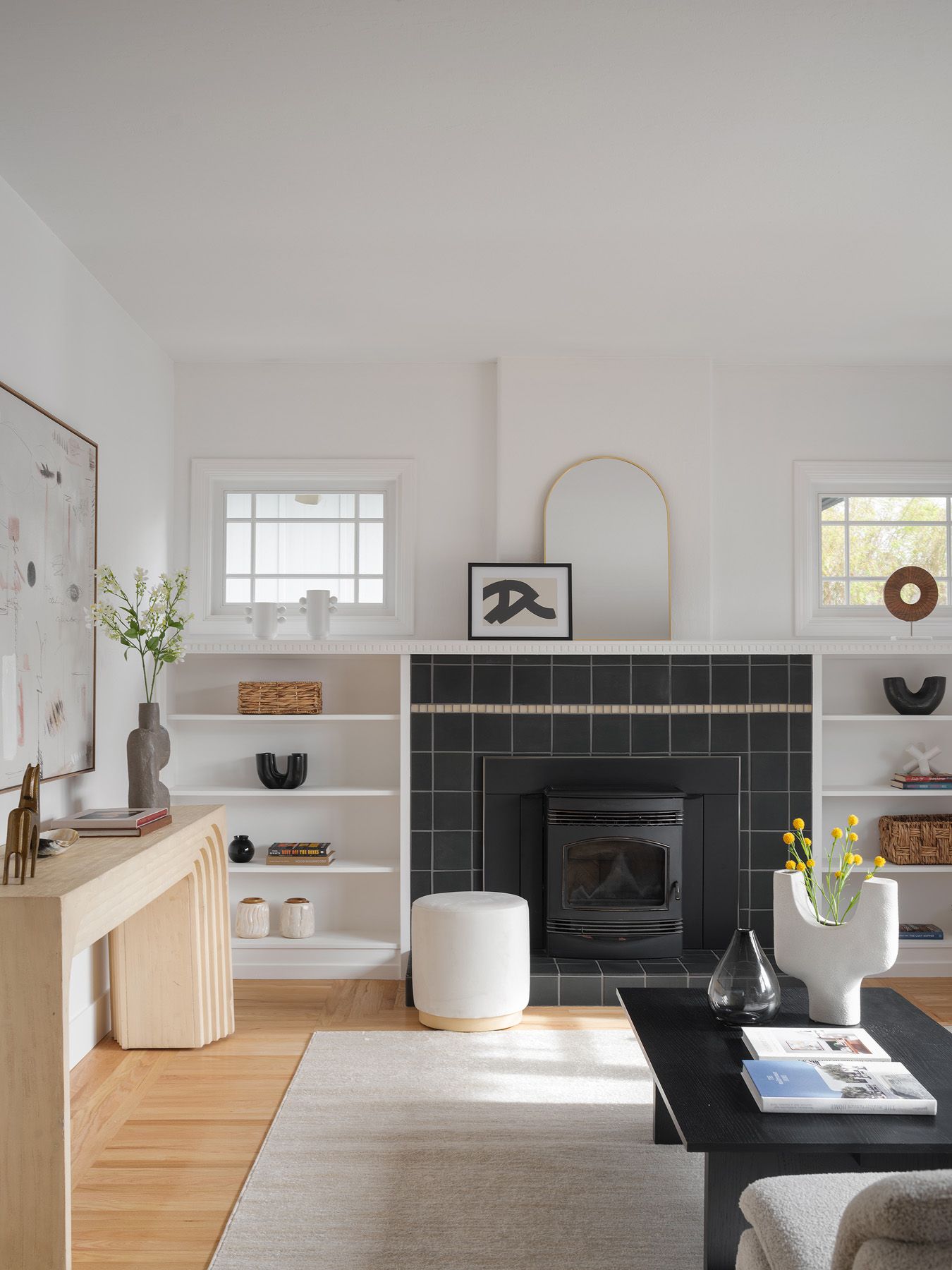
Most buyers encounter the listing on a screen before they feel the floorboards underfoot. In a vacant room, listing photos often become a sequence of pale rectangles: wall, window, floor, repeat. Even strong architectural features can lose definition when there is no furniture to provide contrast or scale.
Physical staging gives the photographer useful layers. The edge of a linen sofa leads toward a fireplace. A walnut console draws attention to a long wall. A shaded lamp warms a corner that might otherwise read as dark blue or gray on camera. These choices help buyers understand the room within a second or two of seeing the image.
This is one of the clearest differences in the vacant vs staged home decision. Vacant photography records space. Staged photography explains it. That explanation becomes especially useful when a floor plan includes an open living and dining area, an unusually narrow bedroom, or a bonus space with no obvious purpose.
Staging cannot compensate for poor photography. The rooms still need accurate color, balanced exposure, straight vertical lines, and views that reflect the actual property. But when the design and photography work together, the listing gains a coherent visual sequence rather than a folder of disconnected empty rooms.
Furniture Helps Buyers Read Scale
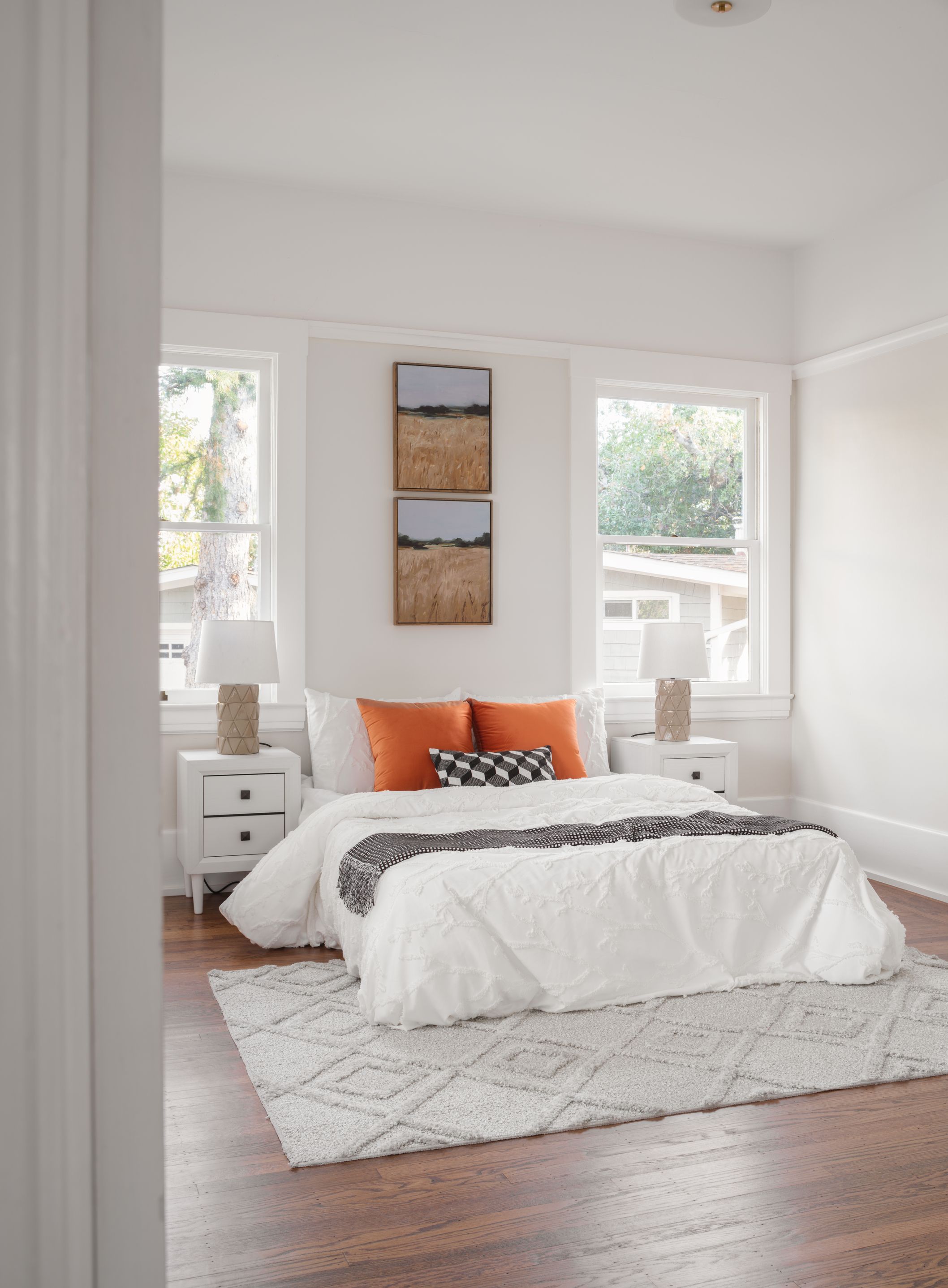
Empty rooms often look larger in person and smaller online. Without familiar objects, the eye struggles to estimate distance. A buyer may stand under a high ceiling and appreciate the volume, then look at the listing photo later and wonder whether the same room felt cramped.
Appropriately scaled furniture answers practical questions. Can a queen bed fit with two nightstands? Is there enough clearance behind the dining chairs? Where does the television go without covering the windows? A low sofa, an eight-by-ten-style rug proportion, or a slim desk can make those relationships visible without a tape measure dominating the visit.
Scale errors work in both directions. Oversized upholstery can choke a modest room, while tiny furniture can make a broad living area feel strangely underused. Good staging relies on designer literacy: understanding circulation, sightlines, ceiling height, window placement, and the visual weight of each piece.
This is also where editorial restraint matters. The goal is not to fill every wall. Buyers need open floor around the furniture, natural light across the wood or stone, and enough quiet space to notice the architecture. A few disciplined pieces usually communicate more than a crowded collection of accessories.
The Cost of Listing Vacant Is More Than Zero
The cost of staging a vacant home is visible because it arrives as a proposal. It may include design planning, furniture rental, delivery, installation, styling, and removal. The cost of listing vacant is less obvious because it appears across several categories rather than on one invoice.
Start with property expenses during the listing period. Depending on the seller’s situation, these may include financing costs, property taxes, insurance, utilities, landscaping, cleaning, and routine maintenance. A quiet refrigerator hum and a thermostat maintaining an empty house still represent ongoing ownership costs. Sellers should review their actual figures with the appropriate financial and real estate professionals.
Then consider the cost of weak presentation. If buyers cannot understand a room, overlook the listing online, or perceive the home as less inviting than competing properties, the seller may face pressure to adjust the price. Staging does not guarantee that a property will sell faster or avoid a reduction. Market conditions, pricing, location, condition, and buyer demand remain central.
The useful comparison is not simply staging fee versus no staging fee. It is staging investment versus the combined exposure of carrying costs, additional cleaning, repeated open-house preparation, and a possible price adjustment if the listing fails to connect with buyers.
Before deciding, ask your agent for a property-specific launch plan and request a clear staging scope. Mia’s services can also be reviewed alongside the expected listing timeline, photography plan, and target buyer. That produces a more useful decision than treating furniture rental as an isolated expense.
The real comparison is not staging versus free. It is one market-preparation cost versus the risks of weaker presentation.
Days on Market Can Change the Conversation
A new listing has a particular kind of energy. The photos are fresh, showing requests begin, and buyers who have been watching the neighborhood receive alerts. If the property sits, that initial attention can soften. The rooms may still smell freshly painted, but the listing no longer feels new on a buyer’s screen.
Days on market do not tell the full story. A home may take longer to sell because of price, location, condition, seasonality, financing conditions, or a limited buyer pool. Staging cannot control those factors. It can, however, reduce one source of friction by making the property easier to interpret from the beginning.
That first launch matters because later corrections can cost more than preparing carefully upfront. New photographs require coordination. Bringing in furniture after several vacant open houses may create inconsistent marketing. A price reduction can attract renewed attention, but it may also lead buyers to ask why the original strategy did not work.
For sellers asking, “Is home staging worth it?” the answer depends partly on the cost of losing early clarity. When the property has strong light, thoughtful updates, and usable rooms, staging helps those qualities register quickly. When it has an awkward layout or dated condition, staging should support an honest presentation rather than distract from needed repairs.
Full, Partial, or Focused Staging
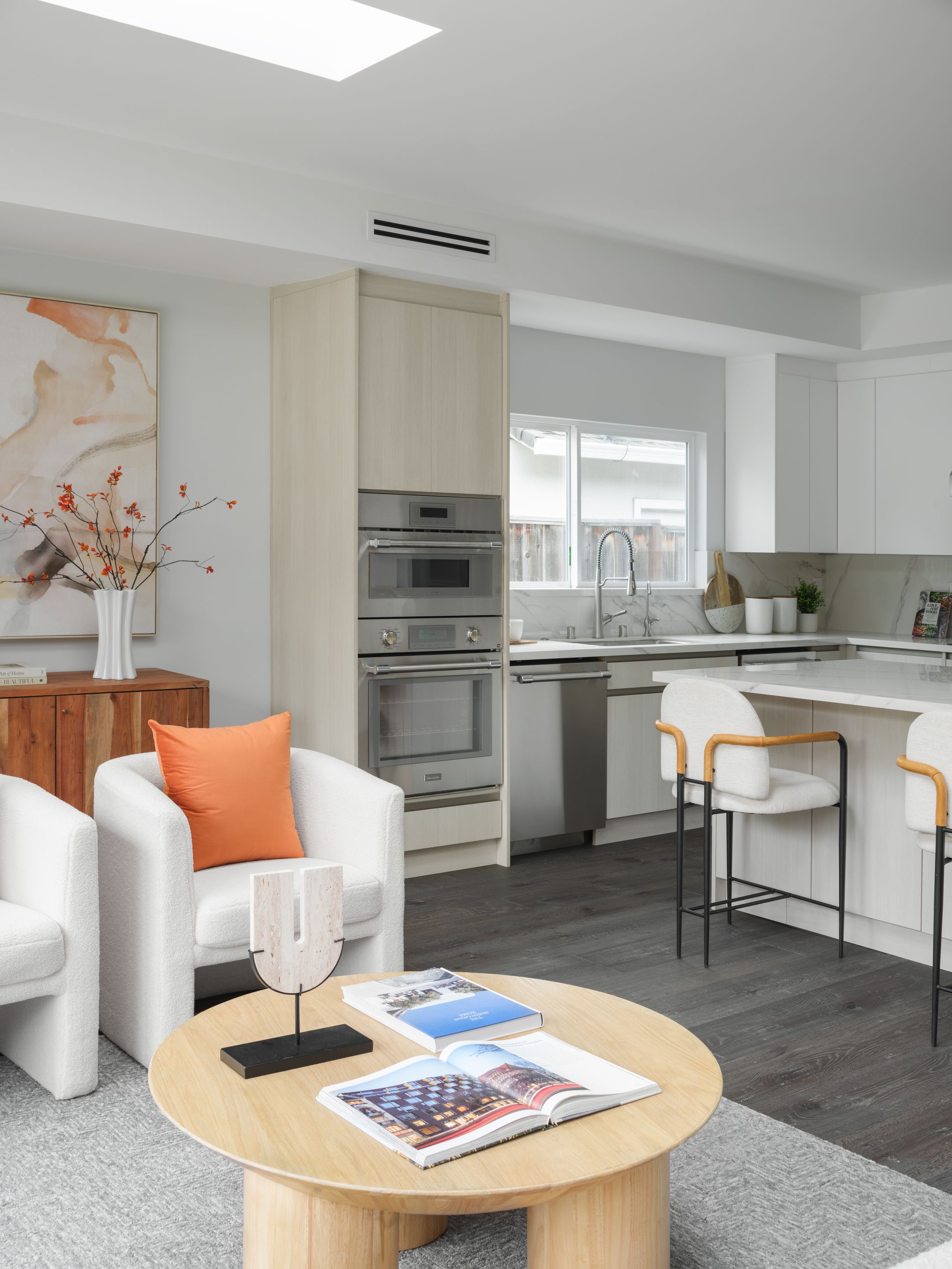
The decision is not limited to furnishing the entire house or leaving every room empty. A focused plan can prioritize the spaces that shape buyer perception most strongly: typically the main living area, dining area, kitchen sightlines, primary bedroom, and any room whose purpose is unclear.
Imagine an open main level with morning light moving from the kitchen into a broad, bare rectangle. A sofa and rug can establish one zone; a dining table and pendant relationship can establish another. The furniture does not add square footage, but it makes the existing square footage legible.
Secondary rooms require judgment. A small bedroom may benefit from a bed to prove its function. A straightforward bedroom with clear proportions may need less support. A bonus room might become an office if that use matches the floor plan and likely buyer needs. The choices should follow the property rather than a fixed inventory checklist.
Sellers should also distinguish physical staging from virtual staging. Virtual staging adds furnishings to listing images digitally, while the property remains empty during in-person visits. It can help explain room use online, but buyers will still encounter bare floors, cooler acoustics, and no physical reference for furniture scale when they arrive.
Physical staging creates continuity between the photographs and the showing. What buyers see online is what they walk into. To see how material, scale, and restraint work together across different interiors, review the Mia’s Home Staging portfolio.
Make the Decision Before Photography Day
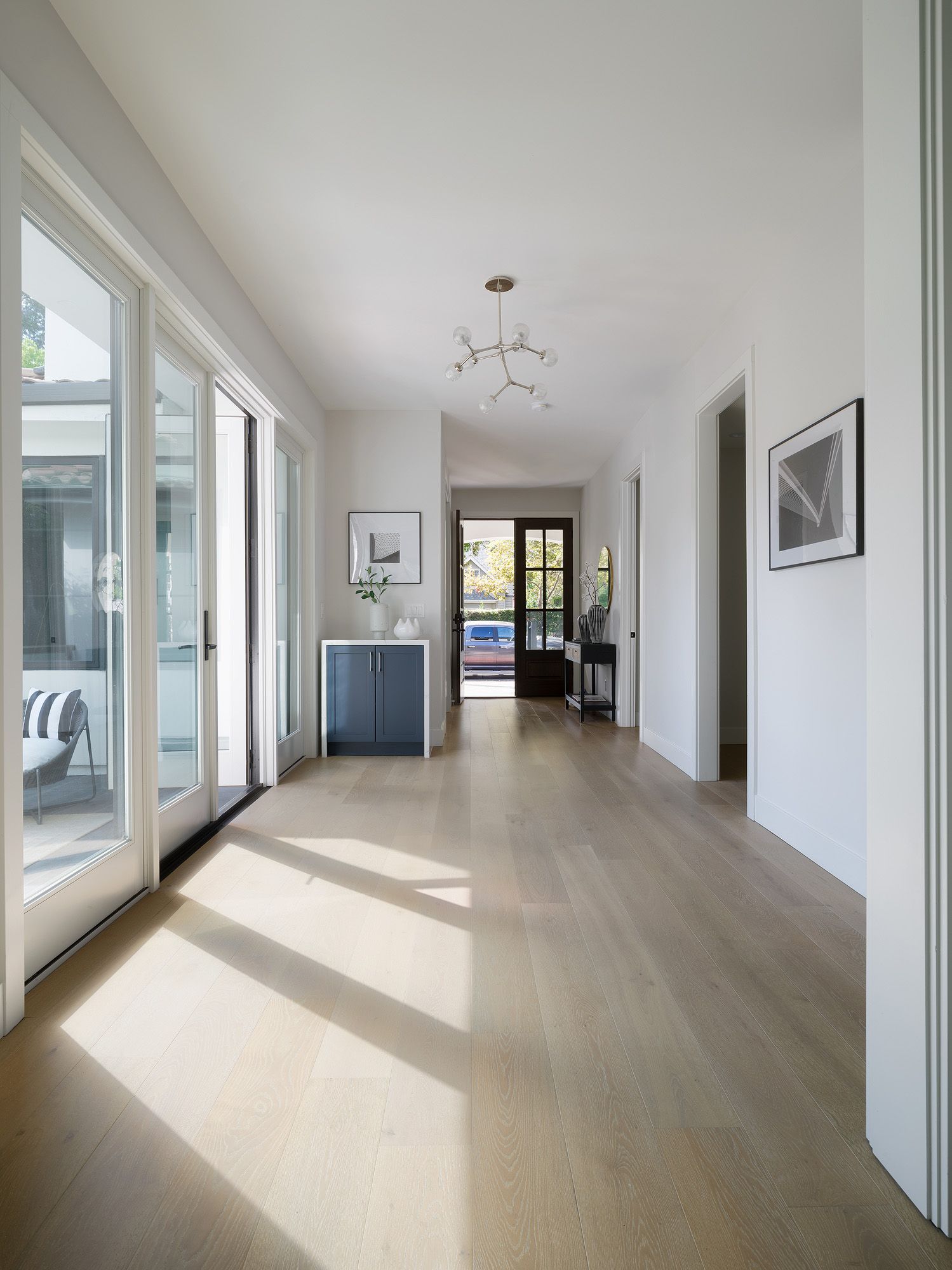
The strongest staging decisions happen before the photographer arrives, not after the listing has accumulated quiet days. Walk through the property with the lights on and the window coverings adjusted. Listen to the acoustics. Notice where afternoon light creates glare, where a long hallway needs a visual endpoint, and where an empty corner makes the floor plan feel unresolved.
Then evaluate four factors together: the home’s layout, its current condition, the likely buyer, and the seller’s financial exposure while it remains on the market. A polished property with unusual room proportions may benefit greatly from furniture that explains scale. A home requiring significant repair may need those issues addressed before design work takes priority.
Ask for a defined scope rather than a vague promise to “make it look nice.” The proposal should identify the rooms being staged, the visual purpose of each room, the installation and removal process, and how the design will coordinate with photography.
Vacant home staging is not a guarantee of speed or price. It is a way to give the property a clearer introduction. In a competitive visual market, that clarity has practical value: buyers can understand the rooms, connect the online listing to the physical showing, and spend less time solving the layout in their heads.
Frequently Asked Questions
- Is home staging worth it for a vacant Bay Area property?
- Vacant home staging can be worth considering when furniture will clarify room scale, improve listing photography, or explain an open or unusual floor plan. Sellers should compare the staging proposal with their expected carrying costs, marketing plan, property condition, and local buyer demand. Staging supports presentation, but it cannot guarantee a sale price or timeline.
- What affects the cost of staging a vacant home?
- The cost varies with the property’s size, the number of rooms furnished, the staging period, access conditions, furniture selection, delivery, installation, and removal. A room-by-room proposal is more useful than a general estimate because it shows where the staging budget will go.
- What is the main difference between a vacant vs staged home?
- Vacant rooms can look clean and spacious, but buyers may struggle to judge scale or understand how an open area should function. Staged rooms provide familiar reference points, visual warmth, and a clearer connection between listing photos and the in-person showing.
- Can virtual staging replace physical staging?
- Virtual staging can explain room use in online images, but buyers still enter an empty property. Physical staging provides furniture scale, texture, and continuity between the listing photos and the showing. Sellers should also ensure that any digitally altered images are disclosed and used in accordance with applicable listing rules.


