Summer home staging Bay Area: Bright, Cool Listings
A practical guide to staging warm-season listings for comfort, flow, light, and longer evening showings.
Summer home staging Bay Area: Bright, Cool Listings
A practical guide to staging warm-season listings for comfort, flow, light, and longer evening showings.
Start With How the Afternoon Feels
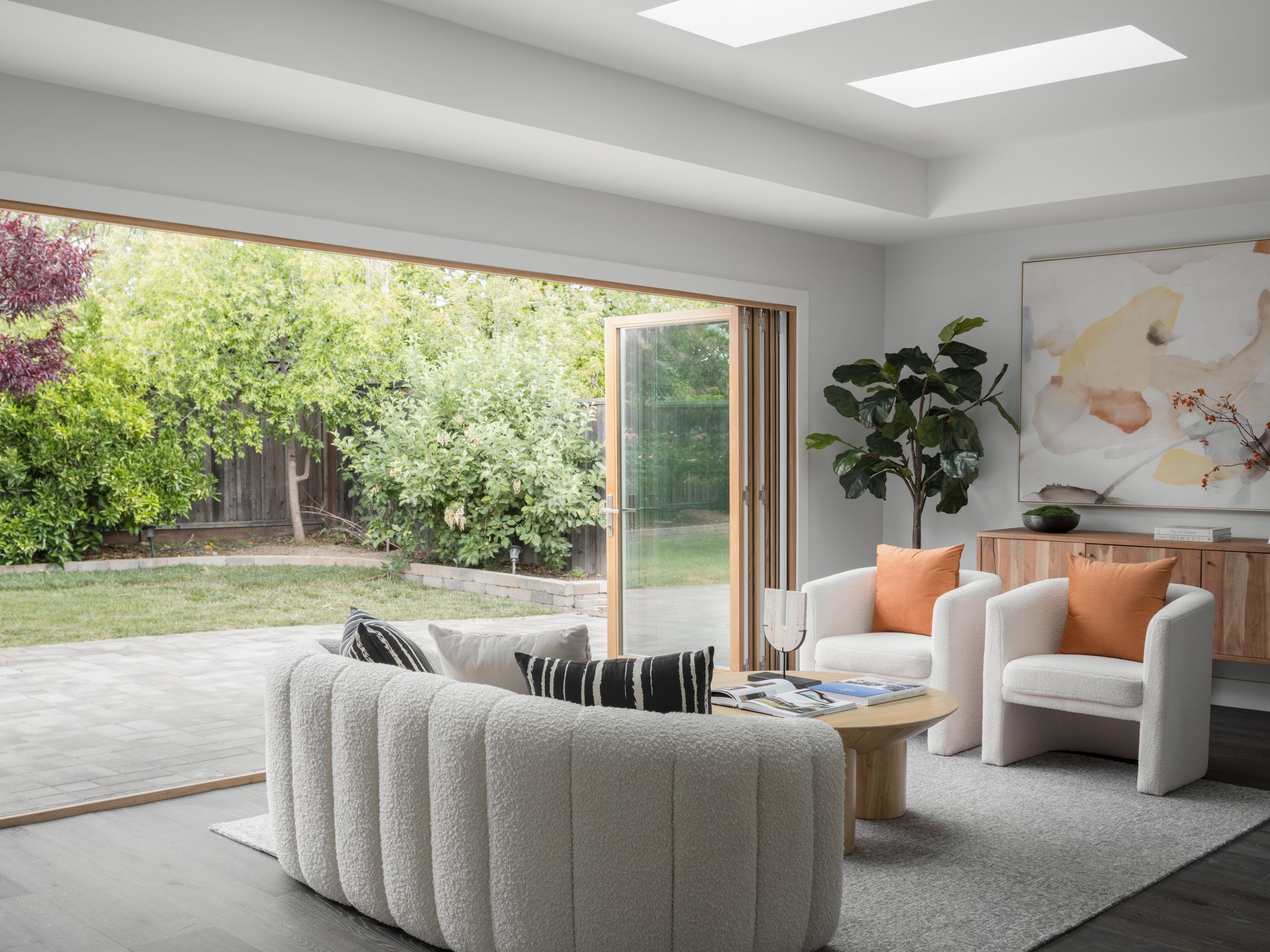
By mid-afternoon, a Bay Area listing can tell on itself. The west-facing room gets sharp bands of light across the floor. A leather sofa holds heat. The kitchen smells faintly closed-up if the windows stayed shut all morning. That is where summer home staging Bay Area strategy starts: not with decoration, but with comfort.
Summer buyers do not only ask, “Is this room attractive?” They ask, often without saying it out loud, “Can I live here when the sun is high, when friends come over, when dinner stretches into the evening?” Staging should answer that question before they have time to worry about it.
For a seller, this is good news. You do not need to make the house feel like a vacation rental. You need to make it feel calm, breathable, and easy to understand. The best summer staging choices make a buyer move more slowly through the home, notice the air, notice the light, and picture a normal warm day going well.
Summer staging is not about making rooms look seasonal. It is about proving the home can feel good when the day is warm.
Edit Anything That Makes Rooms Feel Heavy
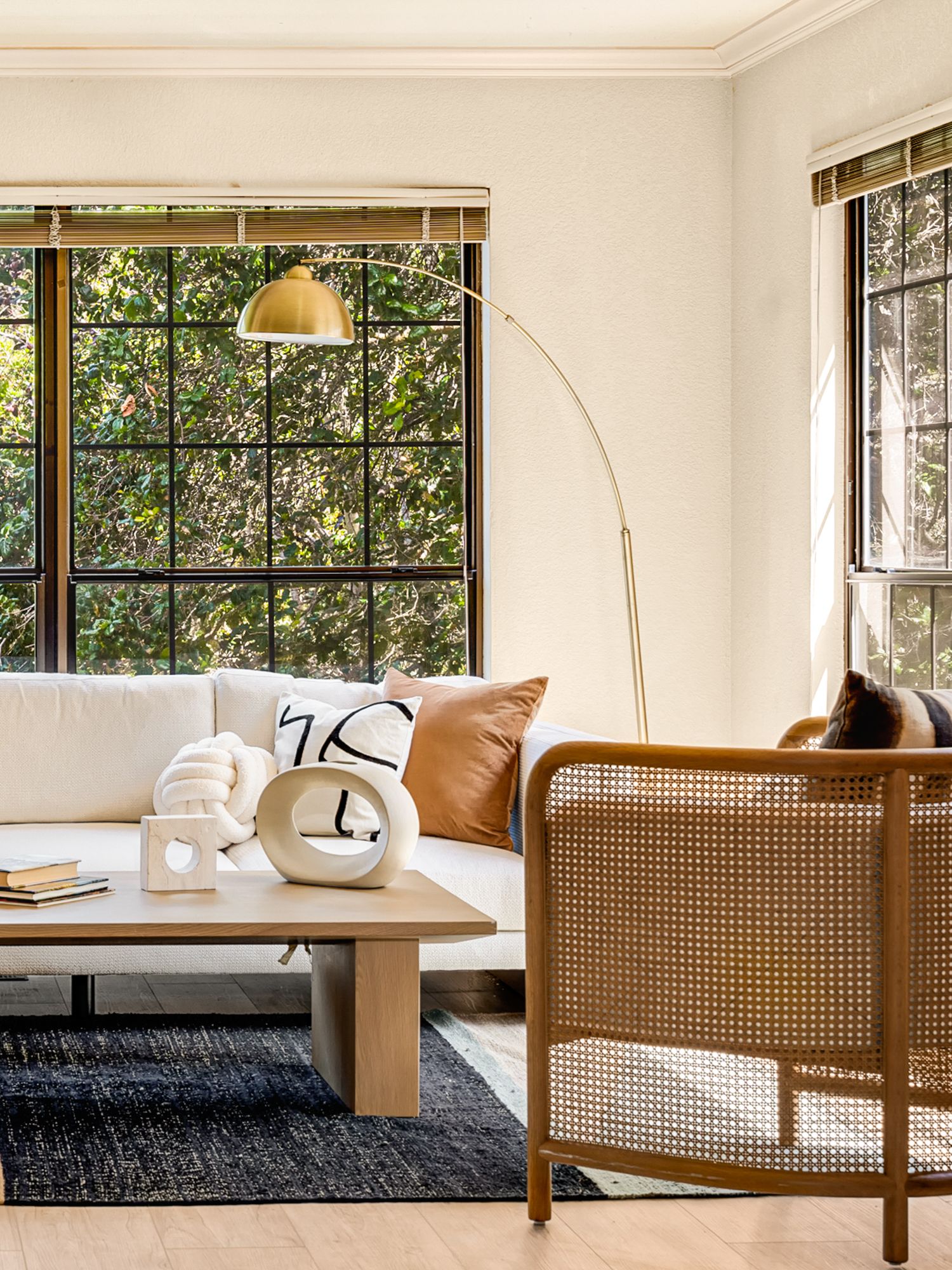
Warm weather punishes visual weight. A dark wool rug that felt cozy in January can make a family room feel dense in July. Tall bookcases packed edge to edge can narrow the walls. Thick bedding can make the primary bedroom read warm before a buyer even touches the fabric.
Start with the pieces that absorb light: oversized dark sofas, heavy drapery, layered throw blankets, and deep-toned rugs. You may not need to remove all of them, but you do need a sharper edit. One textured linen pillow can do more for a summer listing than a pile of velvet cushions fighting for attention.
This is one of the most useful Bay Area home staging tips for sellers who still live in the home. Before you think about renting new furniture, remove what makes the air feel crowded. Clear the top of the media console. Reduce the dining chairs if the table feels tight. Leave breathing room around windows, doors, and walkways.
Texture still matters. Summer staging should not feel bare or cold. We like pale oak, cane, cotton, boucle used sparingly, matte ceramic, and woven fibers because they catch light without glare. A room can feel cool and still have a hand-touched quality.
Use Light Like a Showing Tool, Not an Afterthought
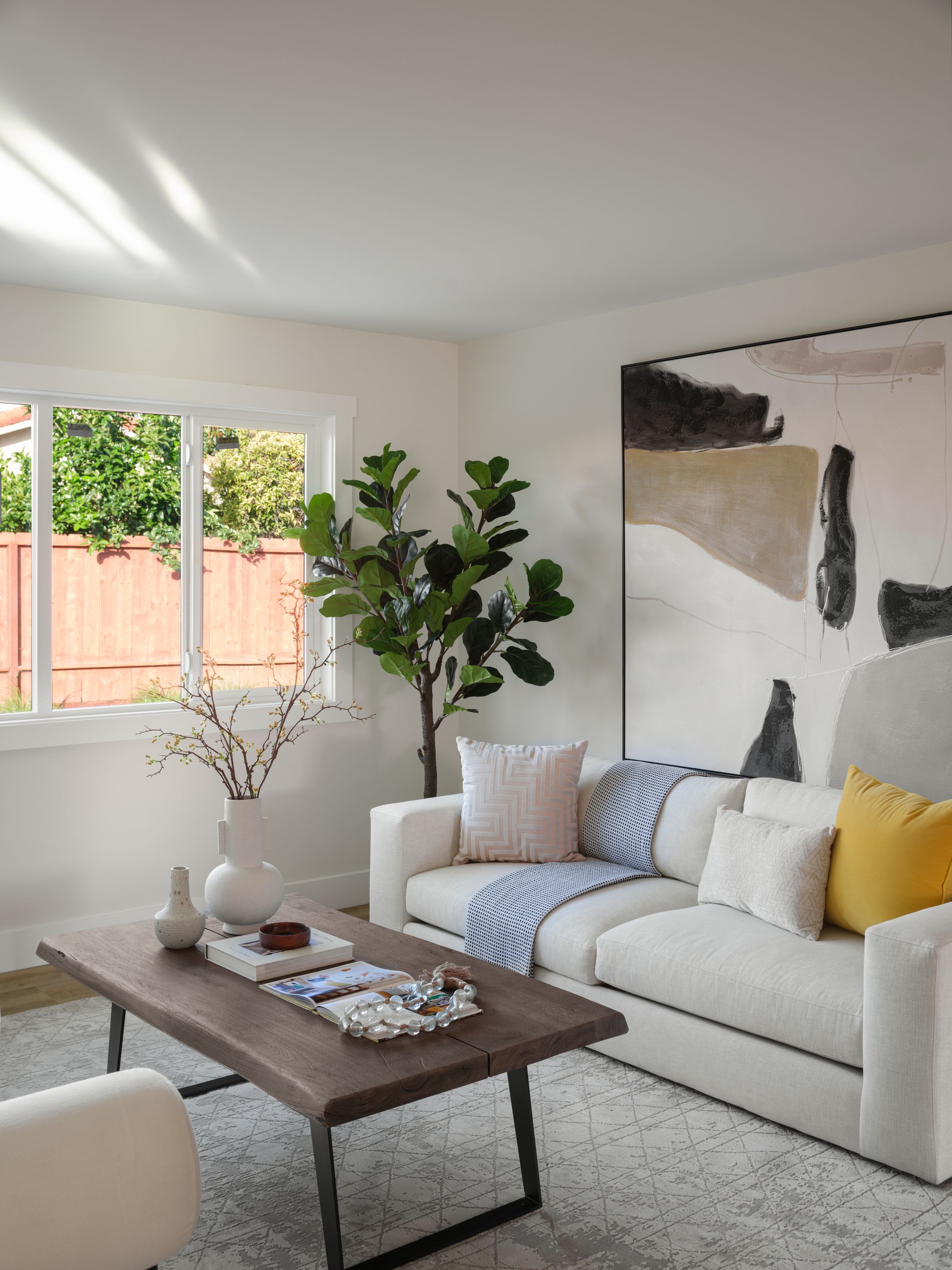
Longer days help, but they do not stage the house for you. Summer sun can be generous in one room and harsh in the next. It can brighten the breakfast area, bleach out a wall color in photos, and turn a hallway mirror into a glare spot by late afternoon.
Walk the home at the same time buyers are likely to visit. Look for hot patches on the floor, rooms that go dim after the sun shifts, and windows that show dust when the light hits sideways. Clean glass matters. So do clean screens, quiet blinds, and curtains that move softly instead of hanging like a wall.
If a room gets too much direct sun, do not close it down completely. Filter it. Sheer linen or light cotton panels can soften the brightness while keeping the room open. If the home has shaded rooms, bring in warm lamp light rather than blue-white bulbs. A 2700K bulb on a side table can make a living room feel relaxed without making it feel yellow.
This is also where staging a home for summer connects directly to photography. The camera reads glare and shadow more dramatically than the eye does. A buyer scrolling through listing photos should see open, clean light, not blown-out windows or a corner that feels like a cave.
Stage the Indoor-Outdoor Path

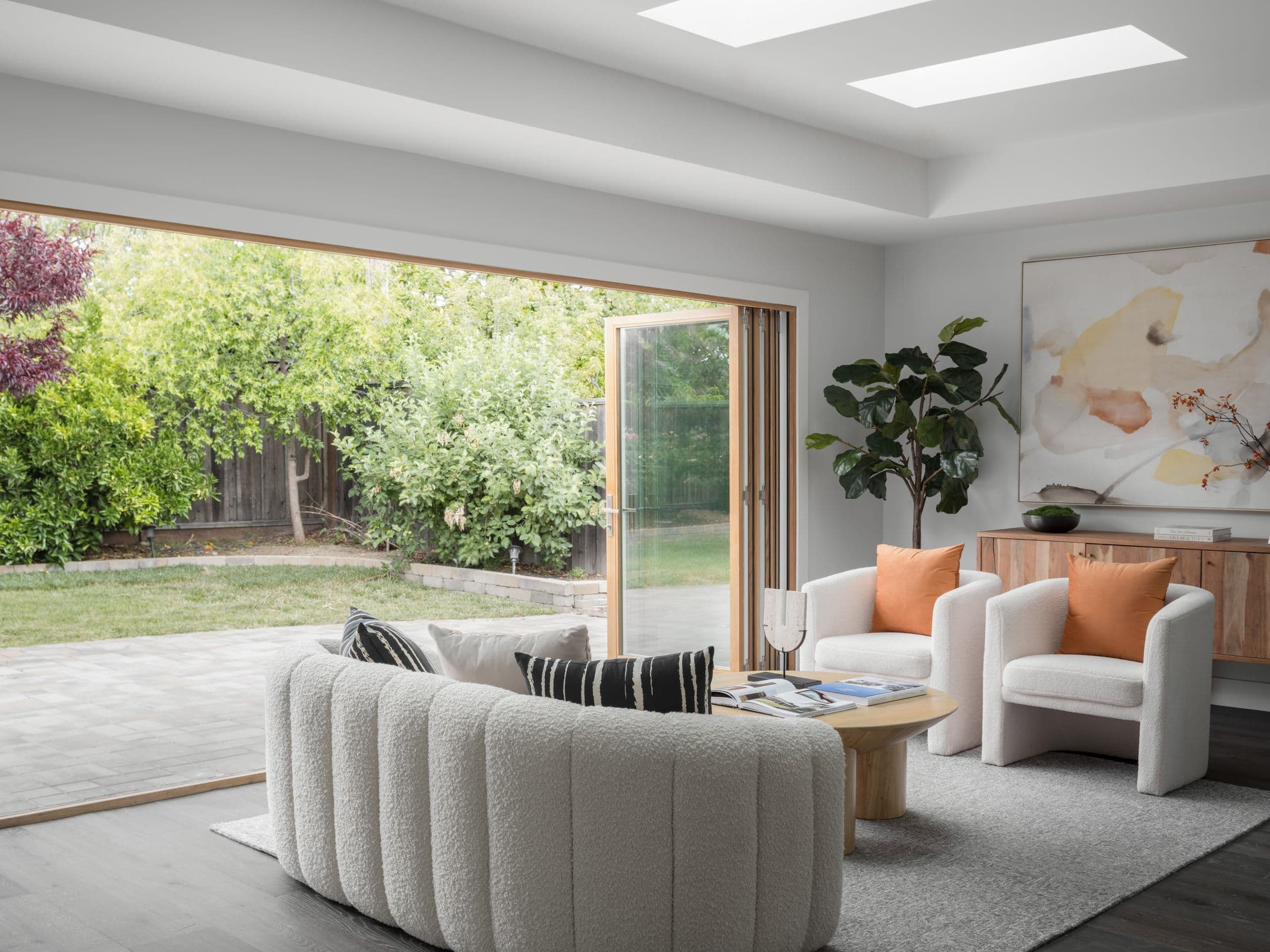
In summer, the route from kitchen to patio matters. So does the view from the sofa to the garden, the deck, the balcony, or even a small landing with a planter. Buyers respond when they can understand how people move through the home on a warm evening.
Open the sightline first. Pull furniture away from sliding doors. Remove tall objects that block the glass. If the backyard or balcony is part of the lifestyle value, let the eye arrive there without obstacles. The sound of a door sliding cleanly, the smell of fresh air after a window opens, and the scale of the outdoor space all register during a showing.
Then make the outdoor area legible. A small table with two chairs can say morning coffee. A simple outdoor dining setup can say summer dinner. You do not need a full party scene, and you should avoid props that feel staged for a catalog. Buyers should feel the possibility without feeling like they walked into someone else’s event.
If you have a strong outdoor feature, coordinate it with the interior palette. A pale rug inside, natural wood tones, and a few green branches can connect to planters or trees outside. The transition feels cleaner when the materials speak the same language.
The outdoor space does not need to be large. It needs to be readable.
Keep the Kitchen Fresh, Not Themed
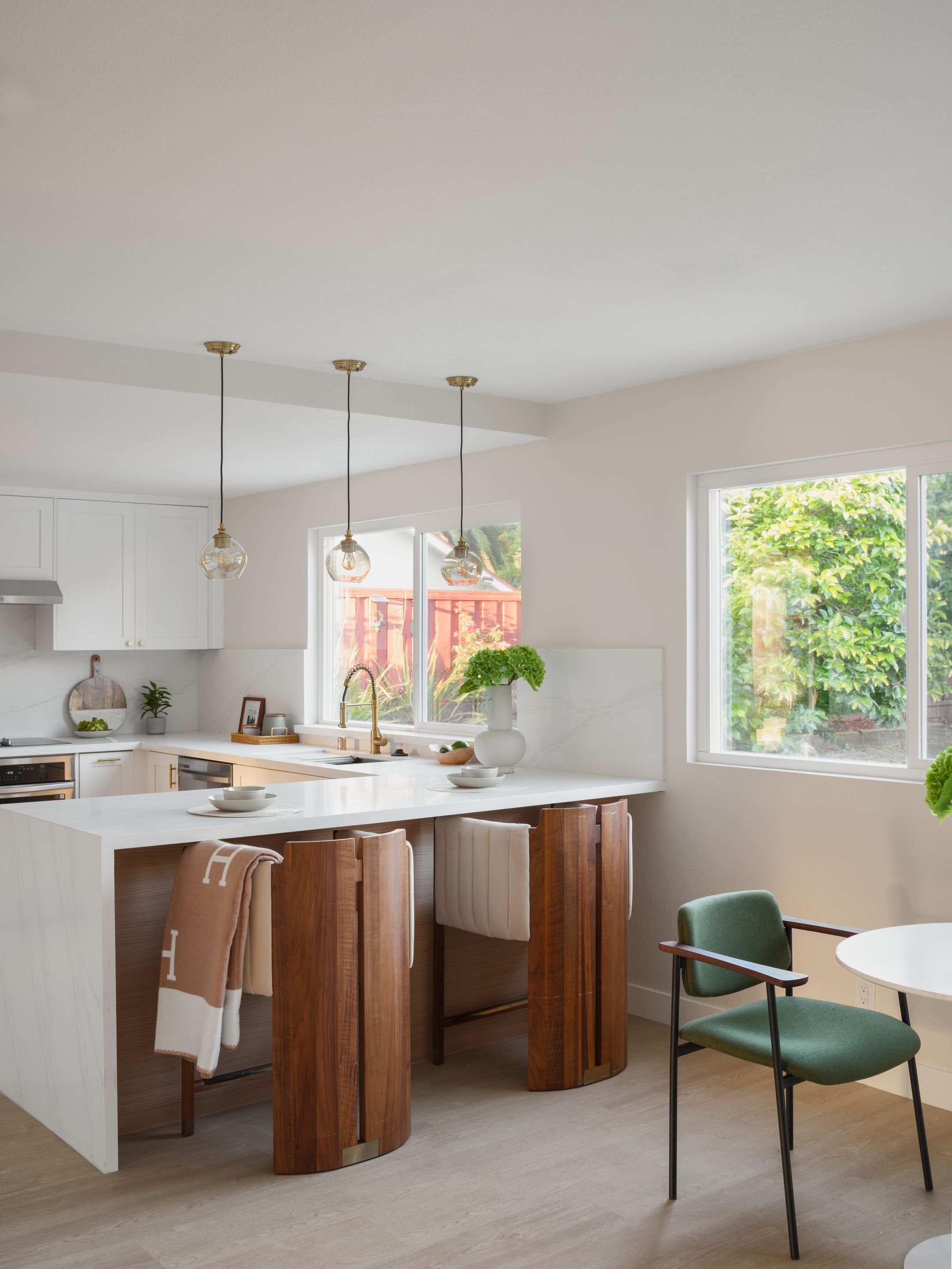
Summer kitchens can go wrong quickly. Too many citrus bowls, striped towels, and picnic-style props make a listing feel decorated instead of prepared. Buyers are not looking for a seasonal display. They are checking whether the kitchen will handle real life: cold drinks, quick lunches, family visits, and dinner with the doors open.
Clear the counters until the surfaces feel cool to the eye. Stone, quartz, tile, and stainless steel all read cleaner when they have space around them. One wood board, one ceramic bowl, or one glass pitcher can be enough. If you use greenery, choose something with structure, not a floppy bouquet that drops pollen or scent into the room.
Smell matters here. Avoid strong candles, heavy diffusers, or anything that tries too hard to announce “fresh.” A clean sink, emptied trash, wiped cabinet fronts, and good ventilation do more than fragrance. Buyers trust a kitchen that smells neutral.
For summer real estate listing tips, the kitchen deserves special attention because buyers often slow down there. They open their shoulders, look toward the yard, check the island clearance, and imagine people gathering. Good staging gives them enough context to picture that moment without cluttering the work zones.
Make Bedrooms Feel Rested and Cool
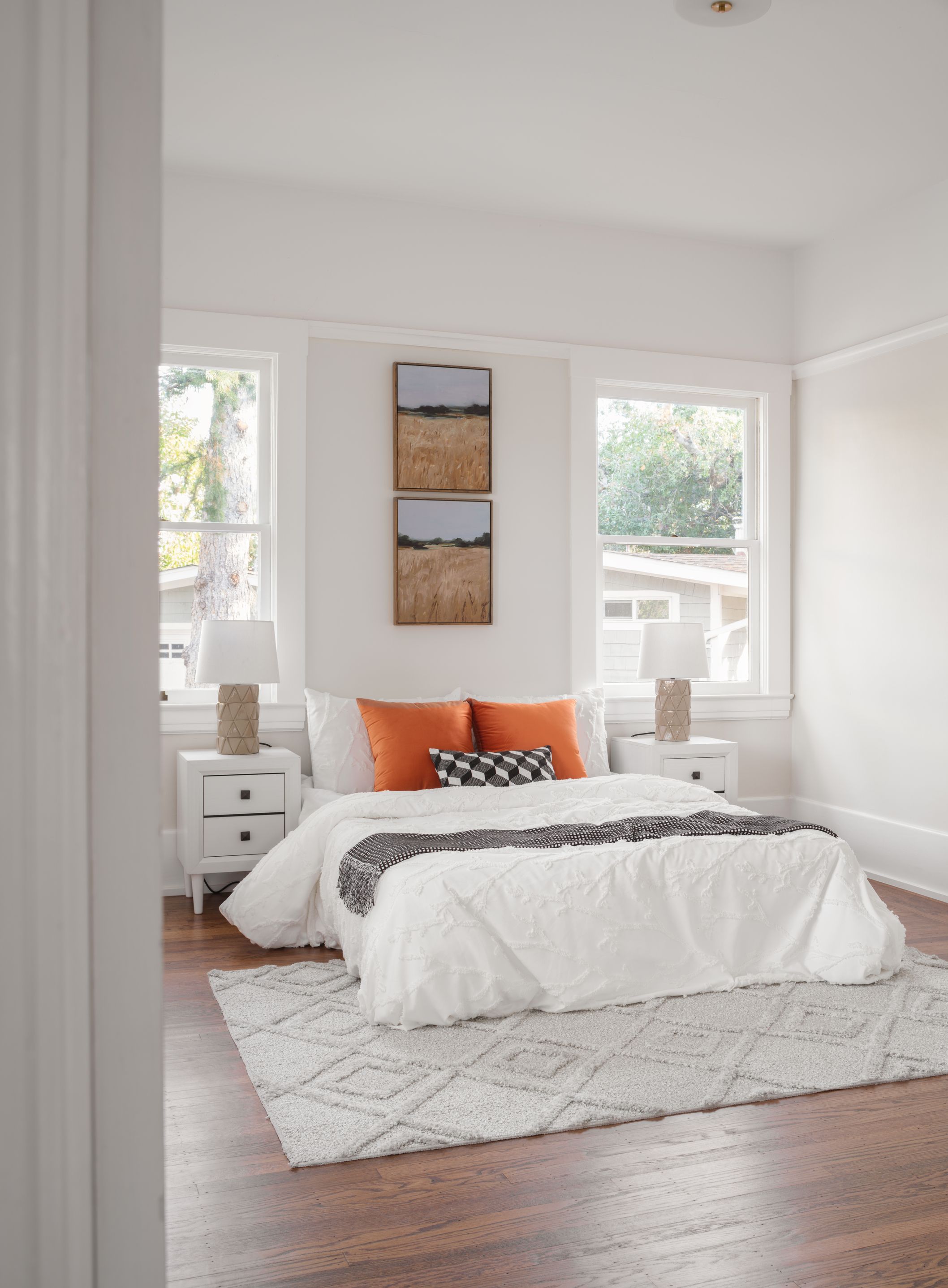
A bedroom should drop the temperature visually. That does not mean all white everything. It means lighter layers, quieter contrast, and fabrics that feel breathable from the doorway. Cotton, linen, and smooth percale read cooler than shiny synthetics or heavy quilts.
For the primary bedroom, simplify the bed. Use a clean duvet or coverlet, two sleeping pillows, and a restrained set of decorative pillows. Keep nightstands open enough for a glass of water and a book. A lamp with a linen shade adds soft light for evening showings, especially when the room faces away from the late sun.
Closets matter more in summer than many sellers expect. Warm weather brings lighter clothing, sports gear, extra shoes, and seasonal storage to the surface. Edit closets so they feel like they have air inside. Buyers notice the sound of a door sliding, the smell of stored fabric, and the amount of visible floor.
Secondary bedrooms should also have a clear purpose. A guest room, a child’s room, or a work-from-home room can all sell the lifestyle, but each one needs enough negative space to feel flexible. If every surface is busy, buyers start measuring stress instead of square footage.
Prepare for Longer Evening Showings
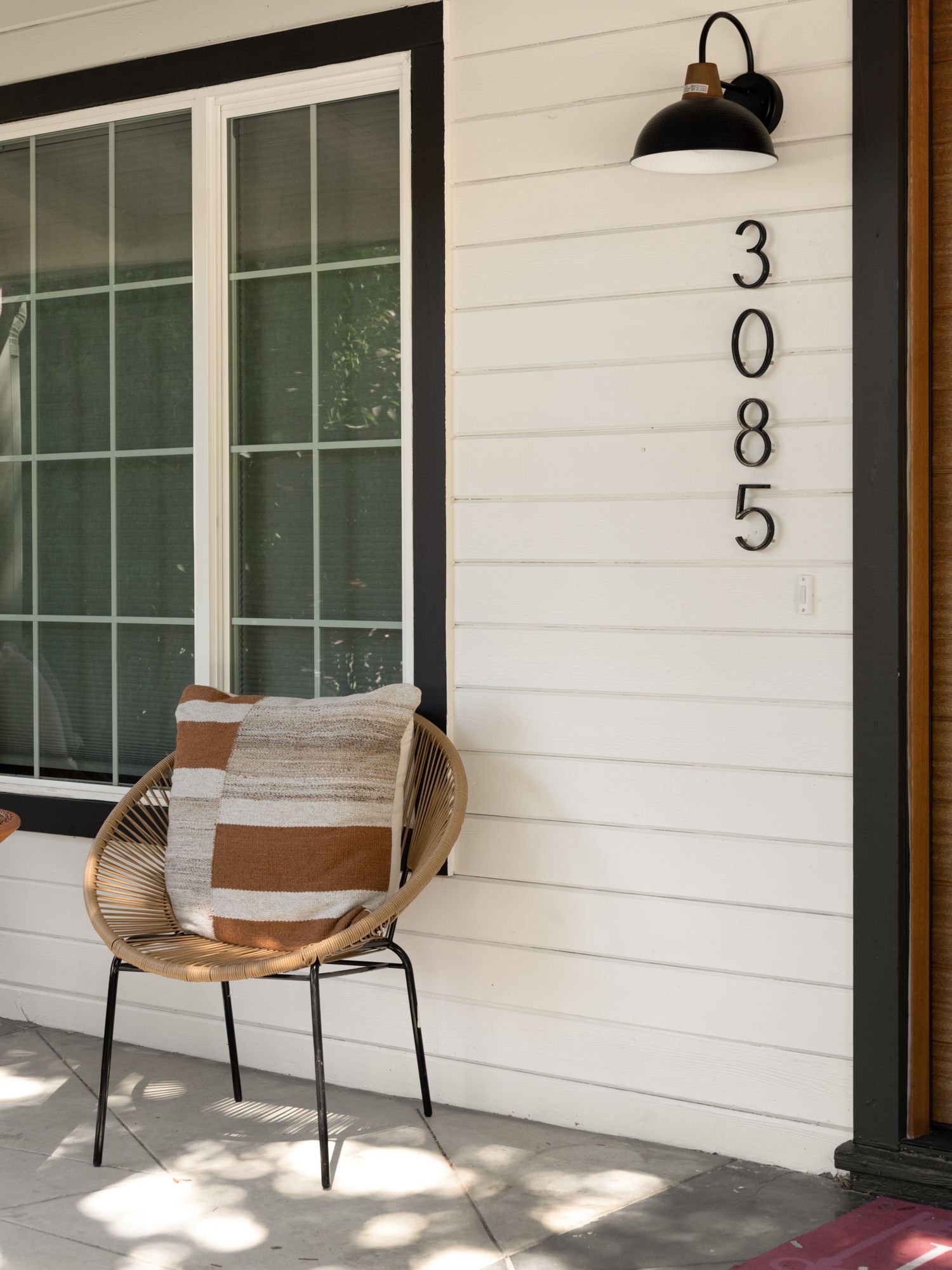
Summer listings often get attention after work, when daylight lingers and buyers can fit in one more tour. That later showing has a different mood. The house needs to feel open in the front rooms, settled in the bedrooms, and safe around entries, stairs, and exterior paths.
Check the lighting sequence from the front door. Entry lamp, living room lamp, kitchen pendants, hallway light, bedroom lamps. The goal is not brightness everywhere. The goal is a comfortable path, with no dead corners or harsh bulbs that buzz overhead.
Evening also changes sound. A rattling vent, a squeaky slider, or an outdoor gate that scrapes can feel louder when the house is otherwise quiet. Before listing, walk through slowly and listen. Small maintenance issues can interrupt the buyer’s sense of ease.
This is where professional staging and consultation can save a seller time. At Mia’s Home Staging, we look at how rooms read in person and how they will appear online, then make choices that support the sale without overfilling the home. You can review our recent work in the portfolio, or compare staging options on our services page.
The Summer Listing Checklist That Actually Helps
Before photography and showings, give the home a comfort check, not just a cleaning check. Stand in each main room and ask: Does this space feel bright without glare? Cool without feeling empty? Edited without feeling stripped? Easy to move through with two or three people present?
Then check the physical details. Clean the windows. Wipe ceiling fan blades. Replace tired entry mats. Remove dried plants. Open interior doors before a showing so air and sightlines move. Keep bathrooms crisp with white towels, clear counters, and a dry shower floor. These details are small, but they change the way a buyer’s body reacts to the space.
Finally, avoid over-seasonal styling. No beach signs, no novelty pillows, no crowded drink trays. A Bay Area summer listing should feel like a house that lives well through warm afternoons and longer evenings. That is more persuasive than a theme.
If you are preparing to sell, treat summer staging as a lifestyle argument. Show the buyer where the light lands, where the air moves, where people gather, and where the day can wind down. Pretty rooms get attention. Comfortable rooms hold it.
Frequently Asked Questions
- What matters most for summer home staging in the Bay Area?
- Focus on light control, breathable textures, edited furniture layouts, clean windows, and indoor-outdoor flow. The goal is to help buyers feel how the home lives during warm afternoons and longer evening showings.
- Do I need full staging if I still live in the home?
- Not always. Many occupied homes benefit from a staging consultation first. A designer can identify what to remove, what to rearrange, and where rented pieces would make the biggest visual difference.
- How do I make a listing feel cooler without changing the home?
- Use lighter textiles, reduce visual clutter, filter harsh sunlight, and create clear walkways around windows and doors. Neutral scents, clean surfaces, and well-placed lamps also help rooms feel calmer.
- Should I stage differently for evening showings?
- Yes, especially when buyers are likely to tour after work. Check lamp placement, entry lighting, exterior paths, and any dark hallways so the home feels easy to move through as daylight fades.


