Selling an Older Home in Palo Alto: Compete on Clarity
Use comparable listings to separate presentation gaps from repairs before committing to a renovation.

Selling an Older Home in Palo Alto: Compete on Clarity
Use comparable listings to separate presentation gaps from repairs before committing to a renovation.
The neighboring listing looks finished. What does yours need?

You scroll from a nearby listing’s bright kitchen to a photo of your own dining room. Their counters look clear; your table nearly touches the sideboard. Their windows frame the garden; your curtains cover part of the glass. If you’re selling an older home in Palo Alto, that comparison can make a renovation feel inevitable.
Pause before ordering cabinets. The useful question isn’t whether the other house looks newer. It’s what buyers can understand about that house that they cannot yet understand about yours: where furniture fits, how rooms connect, and which work remains.
According to Redfin’s rolling three-month data ending September 2026, Palo Alto’s median sale price across all home types was $3,608,282, with a median of 13 days on market. Those figures describe a citywide snapshot, not the value or likely selling time of an individual older house.
Meanwhile, The Almanac’s September 24 reporting highlighted local agents’ observations that move-in condition influences competition. That is not evidence of a staging premium. It does suggest a practical priority: make the home’s present-day usefulness visible, without pretending that presentation resolves its condition.
Read comparable listings for gaps, not shopping lists
Ask your agent to help select nearby comparable properties, meaning homes similar enough to offer a useful comparison. Start with location, property type, size, lot, and layout. Then distinguish renovated houses from homes with older finishes. A glass-walled addition should not become the standard for a house with its original footprint simply because both share a ZIP code.
Active listings show what buyers can choose now, along with sellers’ asking prices. Recently sold properties show completed transactions, although the photographs and sale price alone cannot explain every concession, inspection finding, or buyer decision. Your agent should interpret those differences before using a sale to support an asking price.
Review each listing through separate lenses: physical condition, cosmetic finish, and presentation. An updated electrical system belongs in a different category from pale kitchen cabinets. An unobstructed view through the living room belongs in another category again. This distinction matters when preparing an older home for sale because each category calls for a different response.
Notice what the photographs actually demonstrate. Can you see a dining chair pulled away from the table? Does the bedroom show access to the closet? Is the broad window visible rather than buried behind furniture? Write down those presentation gaps before listing renovation ideas. Use the Palo Alto real estate market as context, then let genuinely comparable homes guide the preparation conversation.
A comparable listing should help you diagnose a gap, not hand you a renovation shopping list.
Separate dated finishes from unresolved condition
An older cabinet door with an amber wood finish presents a different problem from a cabinet swollen by moisture. The finish may look dated but remain serviceable. The swelling may require investigation. Photographing both more attractively does not make them equivalent.
Start with qualified assessments where concerns warrant them. Moisture staining, persistent odors, soft flooring, unreliable systems, and signs of electrical trouble belong with appropriate inspectors or licensed tradespeople. A stager cannot diagnose their causes. Do not place a rug over damaged flooring or furniture in front of an area buyers need to examine.
Next, identify cosmetic work that improves consistency without expanding into an open-ended project. That might mean repairing scuffed paint after confirming the surface is sound, cleaning grout, or replacing worn curtains that block daylight. Whether any task belongs in your plan depends on the home’s condition, competing listings, budget, and schedule.
Finally, isolate presentation work: excess furniture, unclear room uses, crowded shelves, and disconnected seating. These are the problems staging can address directly. My position is straightforward: do not renovate to solve a furniture problem. Equally, do not ask furniture to solve a building problem. Keep condition findings, repair decisions, and required disclosures in the appropriate conversation with your agent and qualified professionals.
Let furniture explain the floor plan
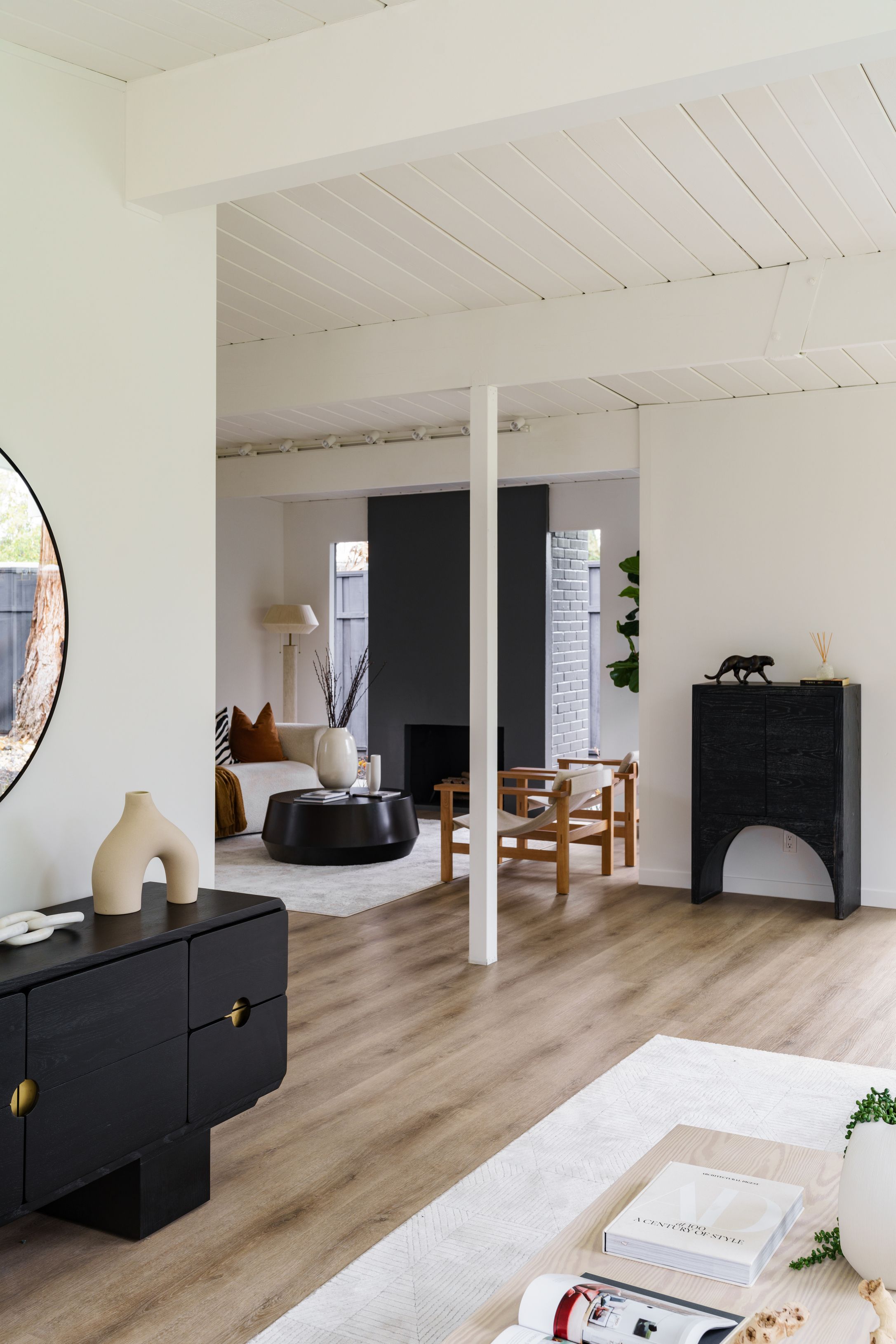
Vacant rooms can leave scale ambiguous. A narrow room might read as an awkward passage until a suitable table demonstrates a dining area without obstructing circulation. Staging means arranging furnishings for sale; in a vacant home, that usually involves rented furniture that helps buyers understand how the rooms work.
Consider a hypothetical older house with a long living room and a doorway near the middle. A deep sectional could interrupt the route to the kitchen. A shallower sofa, an upholstered chair, and a carefully placed side table could define a seating area while leaving that route legible. The architecture has not changed. The furniture now explains it.
Test the arrangement physically. Walk from the entry to the adjoining room. Open doors fully. Pull out dining chairs. Check that a bedside table does not crowd a closet opening. A layout that works only from the photographer’s chosen corner does not demonstrate usable space during a showing.
Give ambiguous spaces a credible role, not several competing identities. A small alcove might accommodate a writing desk and task lamp; it should not imply an enclosed office if it lacks separation. In the bedroom, show practical bed access rather than squeezing in extra furniture to suggest capacity. Our staging portfolio offers a place to study furniture placement, sightlines, and room relationships, rather than copy a particular decorating style.
Keep character visible and visual noise low
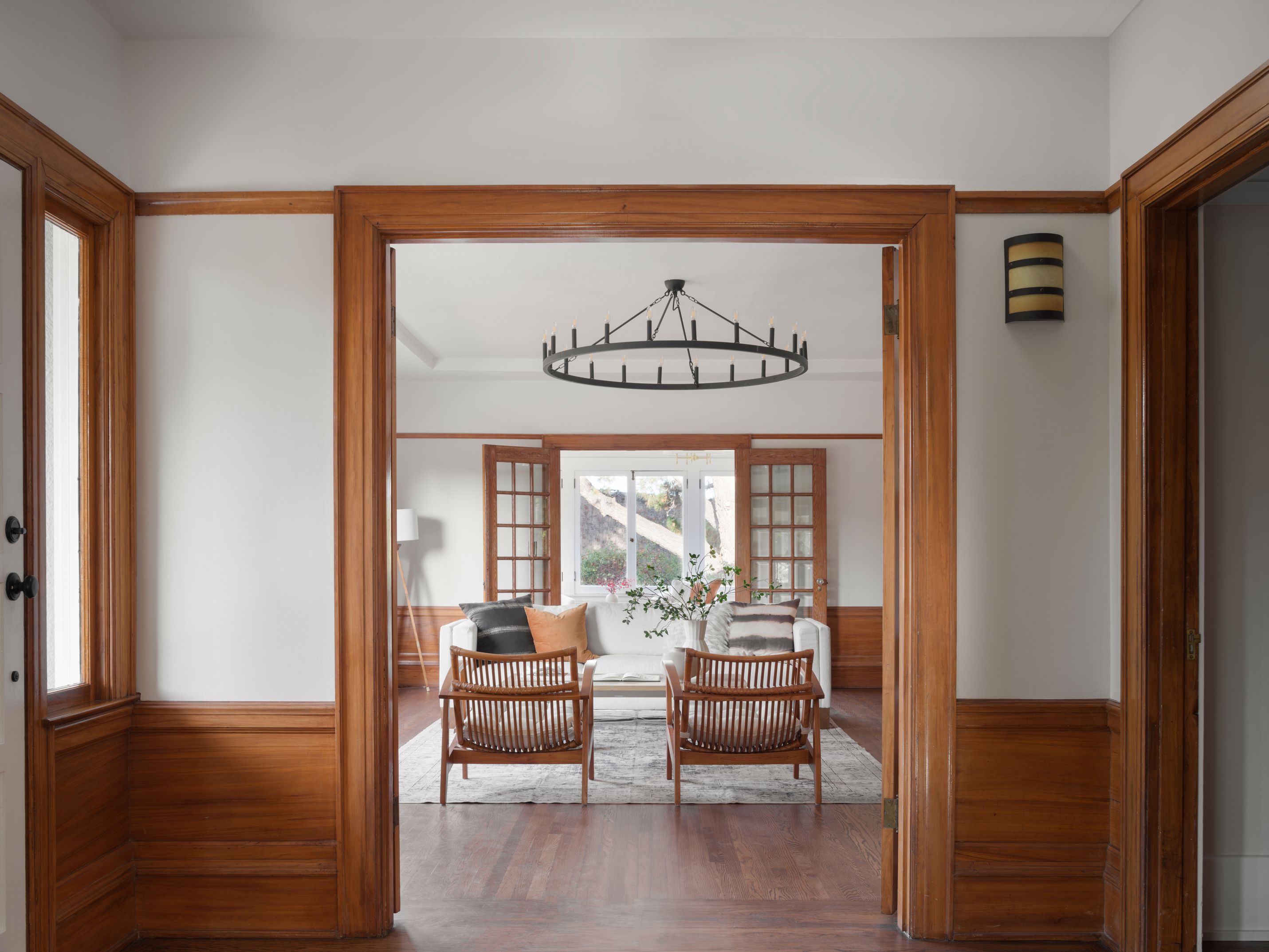
Older homes can have details worth seeing clearly: wood casings, textured plaster, built-in shelving, or a substantial fireplace surround. Start with the features your house actually has. Avoid treating every trace of age as something to erase.
Choose supporting furnishings that let those details remain readable. A low-backed sofa may expose more of a window. A quiet woven rug can soften the room without competing with patterned flooring. Edit a built-in bookcase enough that buyers can see its depth and construction, rather than a dense wall of possessions.
Lighting deserves the same attention. Clean the windows, pull back heavy fabric where appropriate, and check how the room looks under both daylight and its existing fixtures. Avoid a distracting mix of cold and warm bulbs within the same sightline. Keep lighting choices compatible with the fixtures and their safety requirements.
Palo Alto home staging should respond to the particular house, not impose an unrelated showroom look. In a kitchen with older but serviceable finishes, clean surfaces and accessible work areas can communicate what remains useful. They cannot promise that buyers will accept the finishes. The purpose is to make the actual kitchen easier to evaluate, not suggest that it has undergone work it has not.
Make the remaining work understandable
Buyers can see a worn countertop. They cannot necessarily tell whether the house also needs substantial work behind the walls. Keep those questions separate rather than relying on a softly lit room to answer both.
Gather available maintenance records, inspection materials, repair documentation, and relevant estimates. Ask your agent how to organize and share them appropriately. Label completed work separately from proposed work; an estimate does not establish that someone has performed a repair or resolved its underlying cause.
Be equally clear in the listing’s visual story. Photograph usable rooms after preparation, but do not edit away visible damage, misrepresent views, or make spaces appear to have features they lack. If virtual staging appears anywhere, work with your agent to follow applicable disclosure and platform requirements.
Then revisit pricing with the agent. Nearby renovated sales may help explain the competition, but they do not establish what an unrenovated house should command. Presentation can clarify the offering; it cannot erase differences in systems, finishes, or layout. A clean, accessible room paired with clear information gives buyers something more concrete to evaluate than either flattering photographs or a vague promise of potential.
Build the launch plan around the actual house
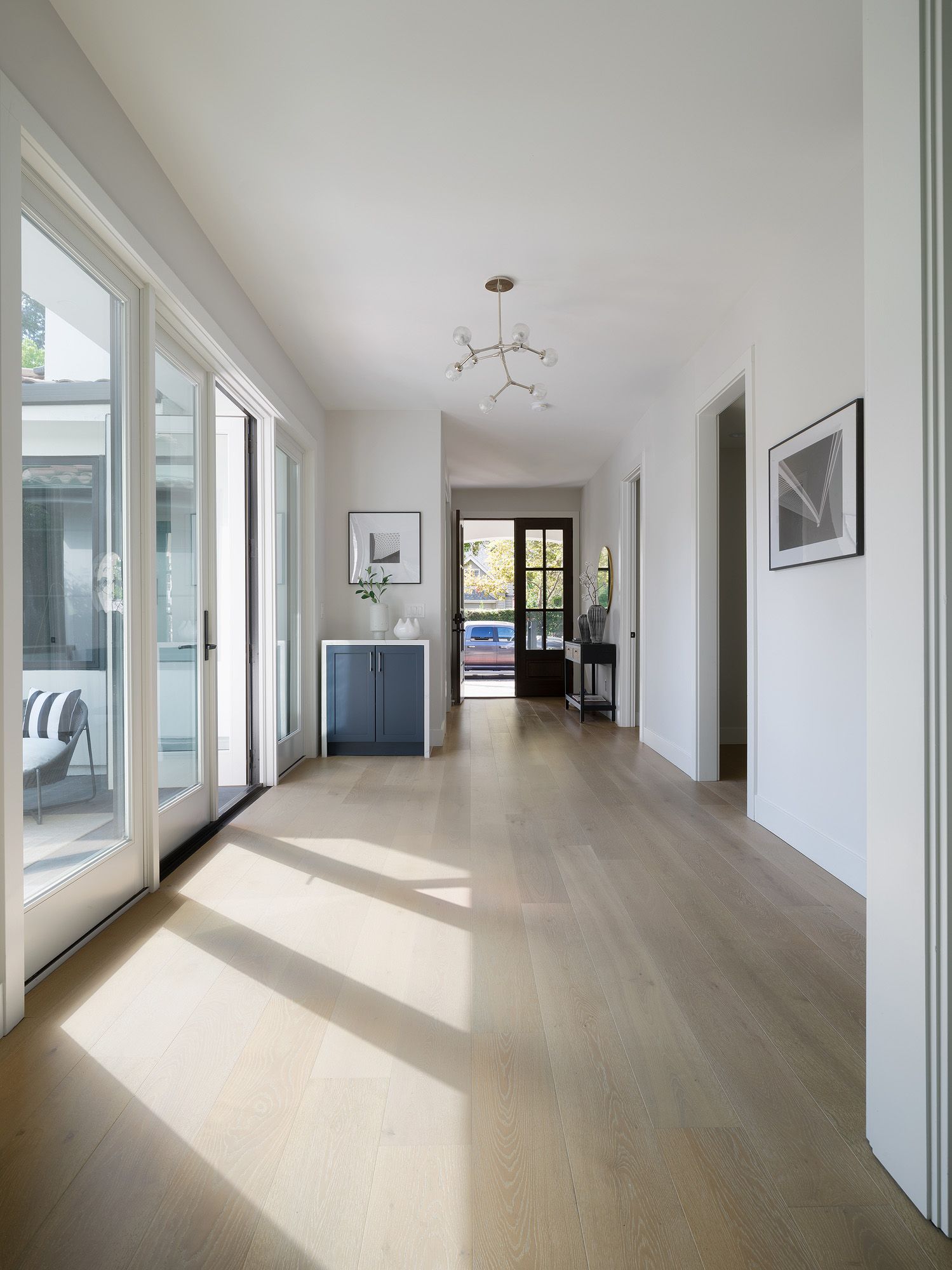
Before listing, walk through the house with the comparable listings in mind. Stand at the entry, look toward the brightest window, and follow the route a visitor would take. Note where furniture interrupts movement, where a room’s purpose remains unclear, and where a condition concern needs professional attention.
Sequence the work so you do not undo it later. Resolve assessments and agreed repairs before final cleaning and furniture installation. Complete selective cosmetic work before photography. If you will remain in the house, build a showing arrangement you can maintain without moving heavy furniture each morning.
Mia’s Home Staging, founded by Mia Wang, offers both physical staging and consulting. Consulting can help identify what to retain, remove, or rearrange; physical staging can furnish vacant rooms to demonstrate scale and function. Our staging and consulting services bring design judgment and restraint to that decision.
The goal is not to make an older home impersonate a newly renovated listing. It is to show the house accurately and clearly: an accessible dining area, a comfortable seating arrangement, visible architectural details, and an honest account of remaining work. Start with the presentation gaps that comparable homes reveal. Then spend on the response the house needs, rather than the renovation its photographs made you imagine.
Frequently Asked Questions
- Should I renovate an older Palo Alto home before selling?
- Not automatically. Compare nearby homes with similar layouts and condition, then separate repair needs from cosmetic differences and presentation problems. Review condition concerns with qualified professionals and discuss pricing with your agent before committing to renovation work.
- Can staging help an older home compete with renovated listings?
- Staging can demonstrate furniture fit, circulation, and usable space while keeping architectural details visible. It cannot update building systems, repair defects, or guarantee a particular sale price or timeline.
- Should I compare my house with active listings or recently sold homes?
- Use both for different purposes. Active listings show current choices and asking prices; recent sales show completed transactions. Your agent can help account for differences in condition, location, layout, and transaction details before drawing pricing conclusions.
- Do I need to move out before receiving staging advice?
- No. Consulting can help you decide which existing furnishings to retain, remove, or rearrange while you still live in the home. Physical staging can furnish vacant rooms when the house needs furniture to demonstrate its layout.


