Selling a House in Winter: Bay Area Now or Spring?
A November decision framework built around nearby listings, carrying costs, and what your home needs.

Selling a House in Winter: Bay Area Now or Spring?
A November decision framework built around nearby listings, carrying costs, and what your home needs.
Start with the house, not the season

The living room looks bright at lunch, but by late afternoon the window wall turns gray. There’s a paint touch-up left in the hallway, and another house nearby just came on the market. If you’re selling a house in winter, these details deserve more attention than the familiar advice to wait until spring.
Our position is straightforward: wait for a concrete improvement, not a season. A spring launch can make sense when additional time lets you repair worn flooring, finish landscaping, or move out before staging. It makes less sense when the only argument is that buyers will supposedly return with larger budgets.
For November sellers, the decision rests on nearby competing listings, recent comparable sales, the cost of holding the property, and whether the home can launch well now. The best time to sell a house in the Bay Area depends on how those factors line up for your property.
Start with current evidence, then build the preparation schedule around it. Neither a regional price increase nor an attractive photograph can tell you what a buyer will pay for your particular home.
Wait for a concrete improvement, not a season.
Read the local market beneath the regional headline
The Bay Area winter housing market doesn’t move as a single unit. A bright, compact house can face different competition from a larger property nearby, even before you compare cities or property types. The available data illustrates why broad seasonal advice falls short.
According to C.A.R.’s September 2026 report, the Bay Area median sold price for existing single-family homes was $1,325,000, up 1.9% year over year. Sales volume fell 3.1%. Unsold inventory stood at 2.6 months, and median time on market was 19 days. These figures describe single-family resales, not every residential property, and they reflect September rather than live November conditions.
More recent listing data shows a split. Realtor.com’s October report, published November 4, found active listings increased 23.4% year over year in the San Jose–Sunnyvale–Santa Clara metro but declined 7.8% in the San Francisco–Oakland–Fremont metro. Those are metro-level listing measures, not neighborhood sale results.
The practical takeaway: don’t assume winter means fewer competing homes everywhere. South Bay sellers especially should examine the available alternatives before choosing a launch date. C.A.R. also warned that softer demand and the seasonal slowdown could pressure California prices through year-end. That statewide outlook calls for care, not a prediction that every local home will lose value.
Compare the homes your buyer would also tour
Ask your agent to assemble nearby active listings, pending homes, and recent closed sales that resemble yours in property type, size, condition, and location. Comparable sales, often called comps, are similar homes used to help estimate market value. A condo and a detached house shouldn’t become substitutes simply because they share a ZIP code.
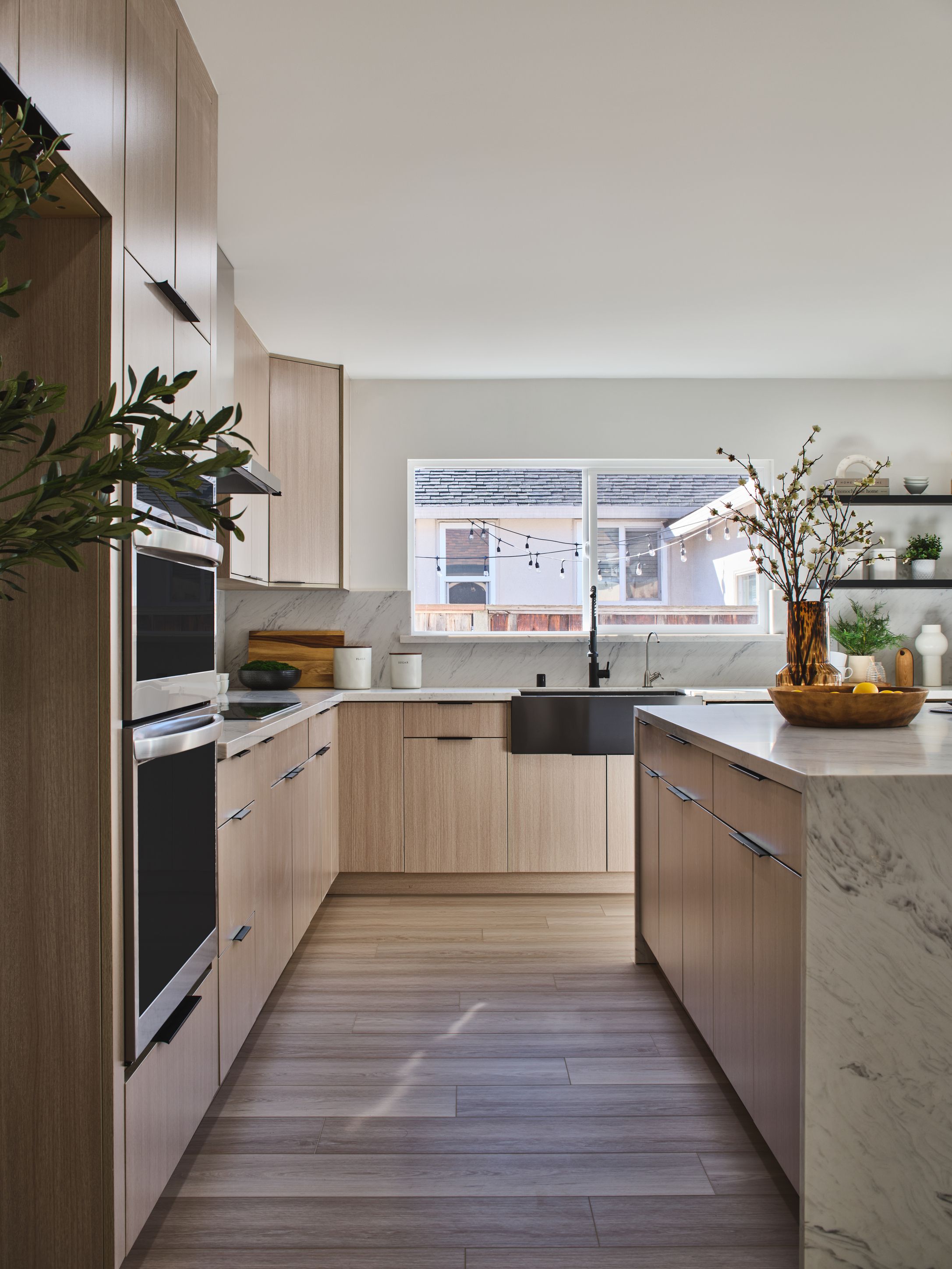
Then look beyond the spreadsheet. Does a competing living room accommodate a sofa without blocking the patio door? Does its kitchen show maintained cabinetry and clear work surfaces? Is your home quieter, brighter, or easier to move through? Buyers encounter those differences in person, even when the bedroom counts match.
Separate asking prices from achieved prices. Active listings show the choices buyers have; closed sales show completed transactions. Pending listings can indicate which homes attracted interest, but their final prices may not yet be available. Ask about reductions, time on market, and any known concessions rather than treating the original asking price as proof of value.
Use this review to identify your actual preparation gap. If competing homes have finished repairs and yours has peeling trim, address the trim. If your rooms feel crowded beside otherwise similar listings, edit the furniture. When comparing selling a house in winter vs spring, the relevant question is whether waiting changes your competitive position enough to justify the cost.
Price the wait before betting on spring
An empty house still needs care. The heater runs, rain collects in the gutters, and someone must check the property. Before postponing the sale, calculate what you’ll spend between your possible winter and spring closing dates, not just between the listing dates.
Build a monthly cash-flow estimate using your mortgage payment, property taxes, insurance, utilities, HOA dues where applicable, landscaping, and maintenance. Add moving, storage, or overlapping housing expenses if the delay changes them. Keep mortgage principal separate when evaluating economic cost: principal reduces your loan balance, although the payment still affects available cash. Avoid counting escrowed taxes or insurance again.
Next, list the work that waiting would allow and obtain actual estimates. Compare that additional expense with a conservative range of possible sale outcomes developed with your agent. Don’t count on an unverified spring price increase to cover every month of ownership.
Freddie Mac’s November 5, 2026 survey reported a national average 30-year fixed mortgage rate of 7.18%, versus 6.22% a year earlier. These are national survey averages, not individual loan quotes. They don’t establish where rates will be in spring. Your plan should remain workable if borrowing costs don’t improve.
Separate necessary repairs from presentation work
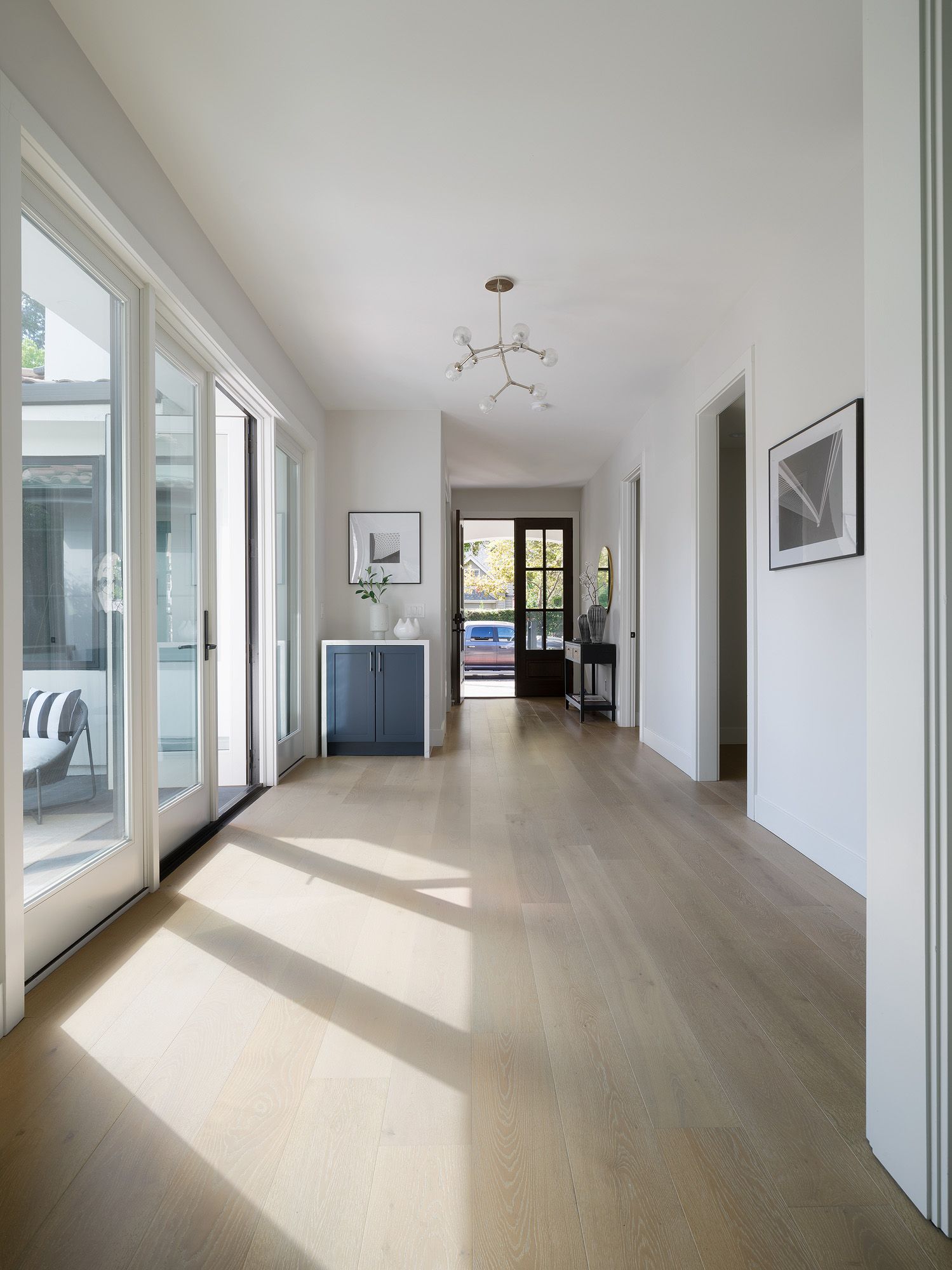
Walk through the home as if you’ve never lived there. Start outside, open the front door, and follow the route a visitor would take. Notice the damp smell near the entry, the scuffed wall beside the stairs, or the dining chair that narrows the walkway. Familiarity makes these details easy to overlook.
Separate maintenance and condition concerns from presentation choices. Investigate moisture or other suspected defects with an appropriate professional; a rug or fresh scent isn’t a remedy. Complete necessary work before arranging furniture and photography. Then address visible distractions such as mismatched touch-up paint, loose hardware, and surfaces crowded with daily-use items.
Staging means arranging furniture and accessories to help buyers understand a room’s purpose, scale, and circulation. In a vacant home, that often involves rented furnishings. In an occupied home, a consultation can help determine what to keep, reposition, or remove. Neither approach replaces repairs or realistic pricing.
Mia’s Home Staging offers both physical staging and consulting, so the scope can follow the home’s needs. Review our staging and consulting services when deciding which approach fits. If the remaining work is manageable, winter may remain practical. If it requires substantial coordination, waiting can buy preparation time rather than simply another date on the calendar.
For a winter launch, schedule around usable light
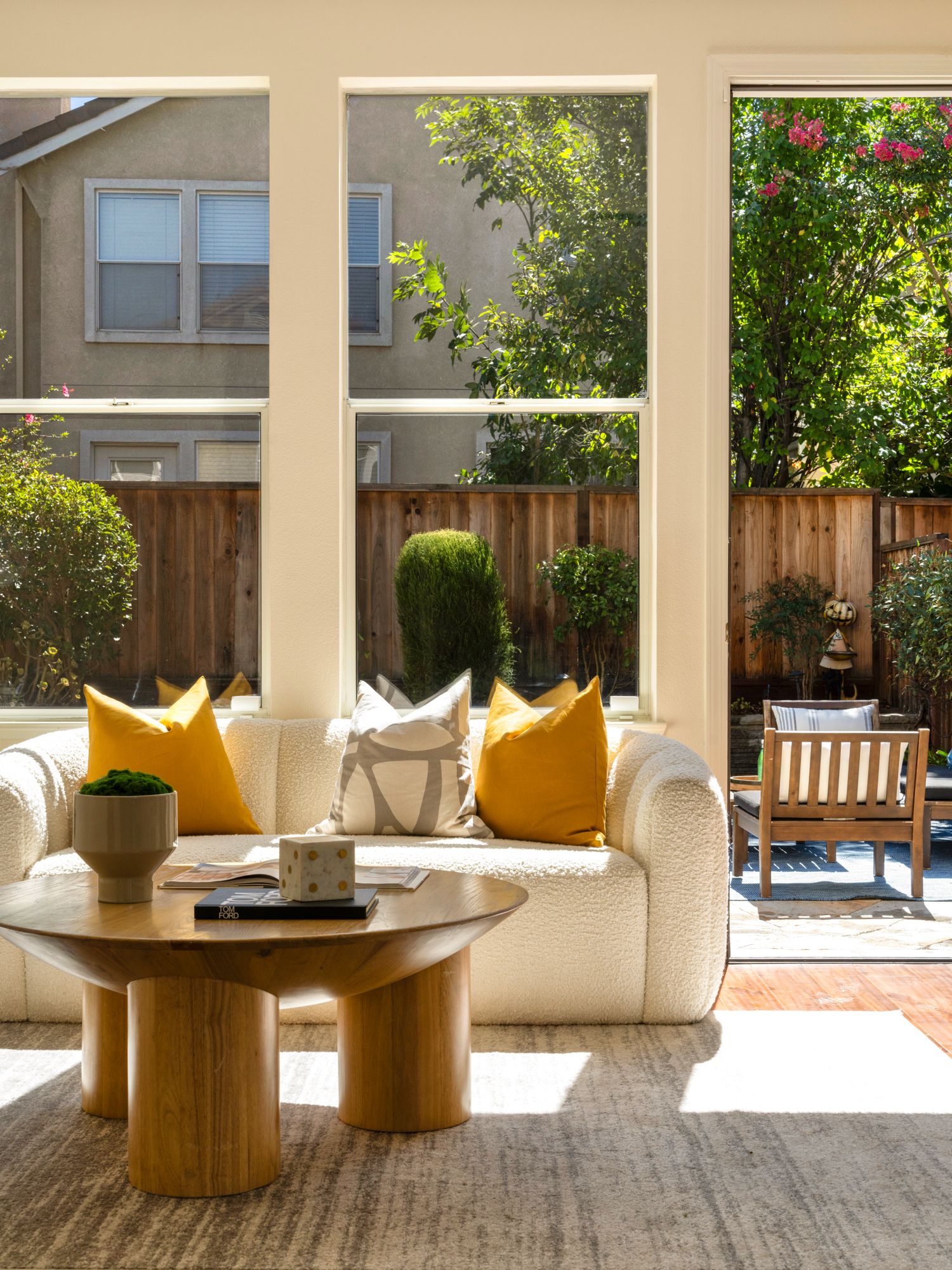
A winter photography plan starts with the windows, not the accessories. Check when daylight reaches the main living spaces, and discuss that window with the photographer before booking. Avoid choosing an appointment solely because it fits between other errands. Leave room in the schedule to respond to unsuitable weather.
Keep glass clean, move bulky furniture away from windows, and use window treatments that preserve available light. Layer shaded lamps where rooms need support, keeping bulb color consistent within connected spaces. The goal is a clear, believable view of the house, not a brightened image that sets up a different experience at the showing.
Use furniture to clarify scale. A properly sized sofa should leave the route to the backyard open; a dining table should show how people can sit and move around it. Add texture through a woven rug or linen upholstery rather than filling every surface. Our staging portfolio offers examples to study for furniture spacing and room definition.
Keep seasonal decorations restrained so they don’t dominate photographs or obscure architectural details. Clear the entry, provide a practical place for wet shoes during showings, and keep outdoor paths maintained. Coordinate cleaning, staging, photography, and listing activation in that order. A rushed launch with dim photos is a preparation problem, not evidence that winter itself was the wrong choice.
For spring, give the extra time a specific job
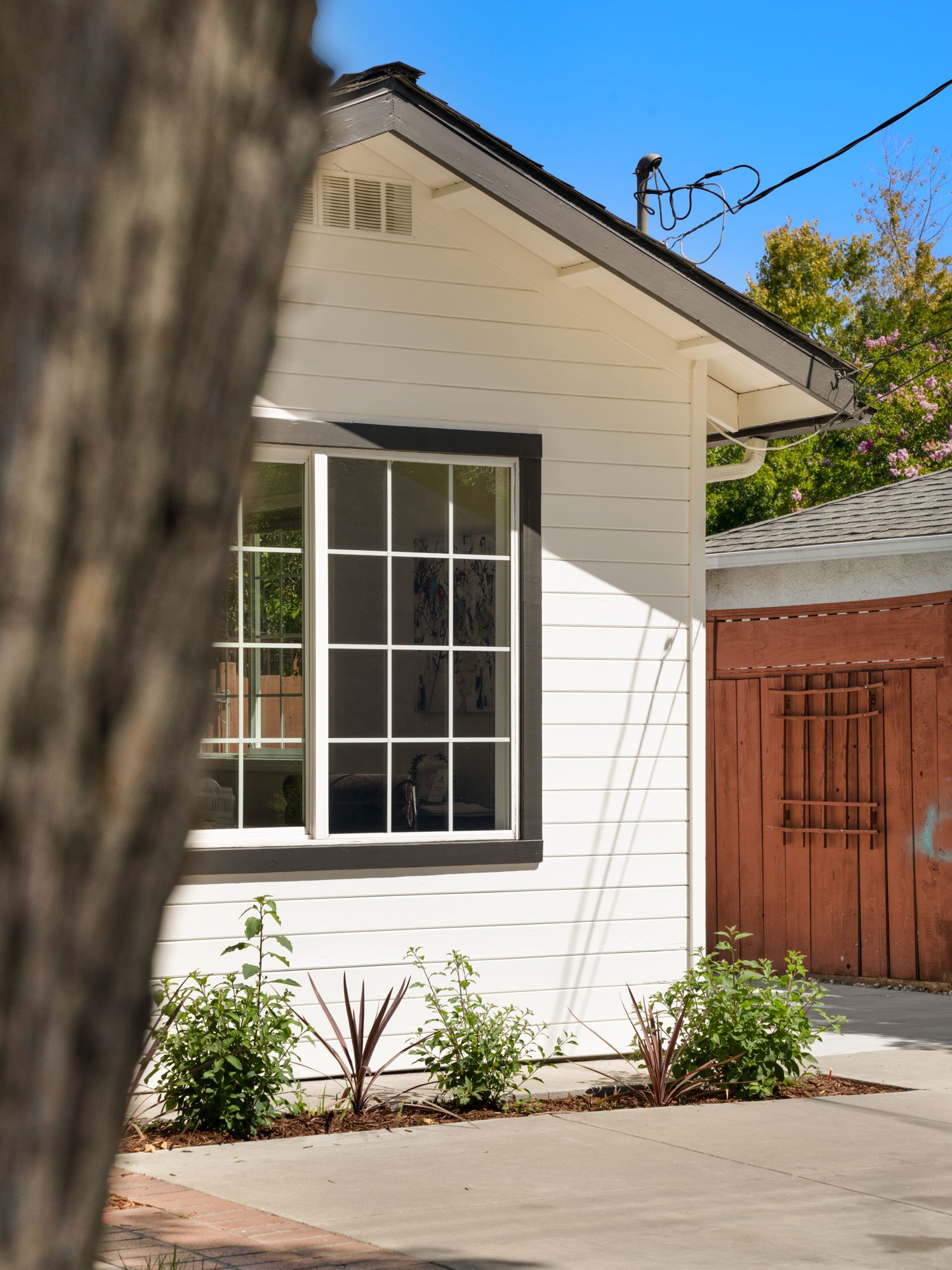
If you wait, write down what the delay will accomplish. Perhaps the worn floor needs refinishing, the garden needs drainage work, or moving out will let the living room show its full width. Assign each task a completion point and budget so the extra time produces a different offering.
Consult on layout before moving everything into storage. You may be able to retain useful pieces or avoid replacing furniture that won’t affect the sale presentation. Schedule physical staging after dusty work and final cleaning. Arrange photography when repairs and outdoor preparation are complete, rather than committing to a date while contractors still occupy the house.
Refresh the market review as launch approaches. Today’s competing homes may sell, withdraw, or reduce their prices; new listings may arrive. Spring greenery and longer daylight can change the photography plan, but they don’t remove the need to check current competition and comparable sales.
List now when the home is ready, nearby competition supports the plan, and carrying it longer offers little clear benefit. Wait when the additional time funds and completes meaningful preparation at an acceptable cost. You don’t need to predict the entire market. You need a defensible decision for your house, followed by a launch that shows it clearly.
Frequently Asked Questions
- Is winter a bad time to sell a house in the Bay Area?
- Not automatically. Review nearby competing listings, recent comparable sales, carrying costs, and home readiness. Regional figures provide context, but your property type, location, condition, and pricing matter more than a blanket seasonal rule.
- When does waiting until spring make sense?
- Waiting can make sense when the extra time allows meaningful repairs, landscaping, or a move that improves presentation. Compare the cost of that work and continued ownership with conservative sale scenarios. Don’t assume spring will bring lower mortgage rates or a higher sale price.
- How should staging and photography change for a winter listing?
- Schedule photography around the home’s usable daylight, keep windows unobstructed, and use consistent supplemental lighting. Arrange furniture to show room size and clear walking routes. Keep seasonal decorations restrained, and allow scheduling flexibility for weather.
- Which expenses should I include when calculating the cost of waiting?
- Include mortgage cash flow, property taxes, insurance, utilities, applicable HOA dues, maintenance, and any additional storage or overlapping housing expenses. Avoid double-counting escrowed expenses, and distinguish mortgage principal repayment from ownership costs.


