San Mateo Home Staging: A 2,100 Sq Ft Case Study
A real 2,100 sq ft single-family project, plus practical staging lessons for Bay Area sellers.

San Mateo Home Staging: A 2,100 Sq Ft Case Study
A real 2,100 sq ft single-family project, plus practical staging lessons for Bay Area sellers.
The House Asked for Scale, Not More Stuff
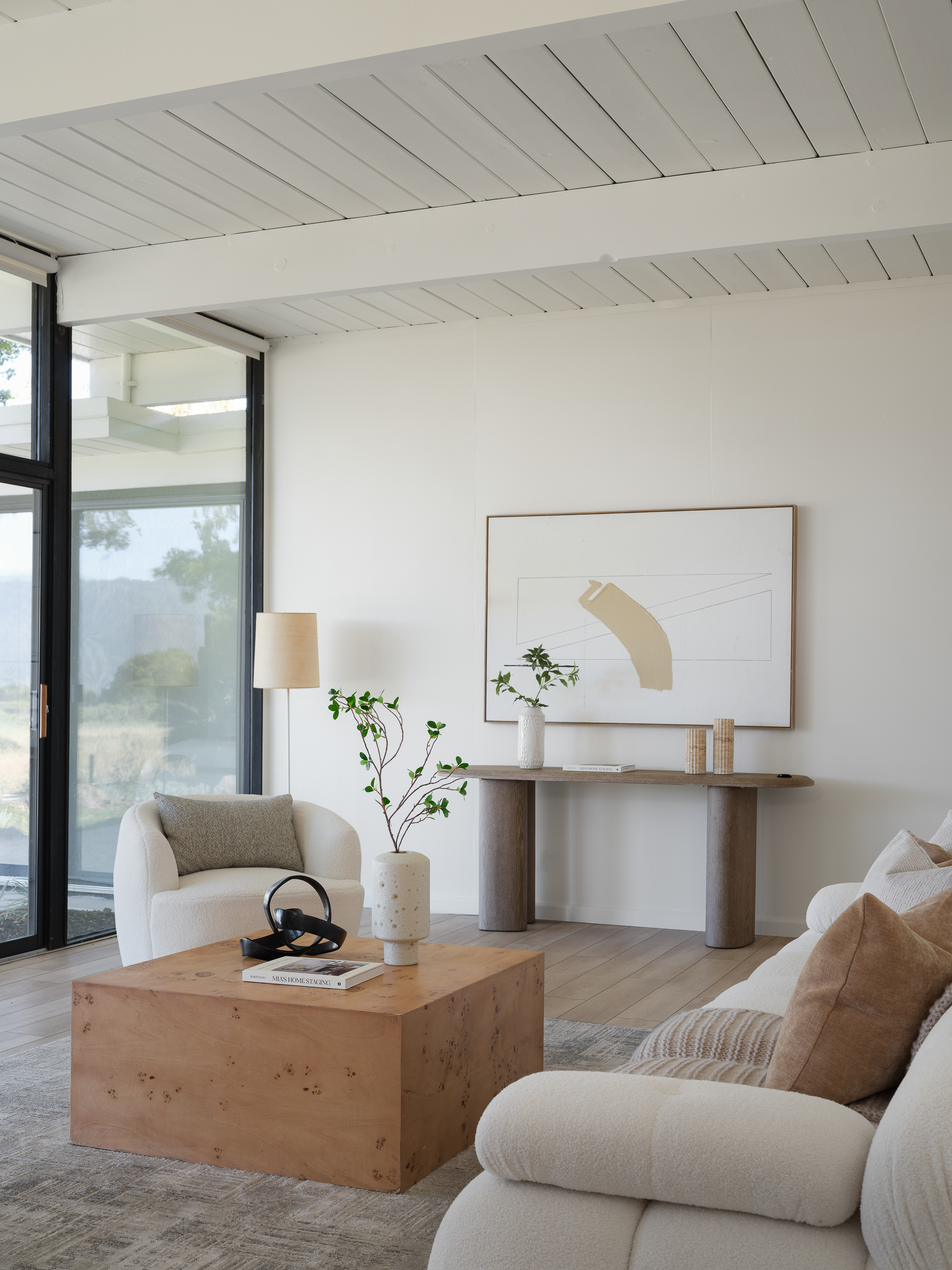
At 2044 Lexington Avenue in San Mateo, the first staging question was not, “How do we fill the rooms?” It was, “How do we help buyers understand the scale without making the house feel busy?”
That distinction matters. This was a 2,100 sq ft single-family house, and in San Mateo home staging, square footage has to read clearly in photos, during the first walkthrough, and in the quiet moment when a buyer stands in the living area deciding whether the house fits their daily life.
A vacant room can feel larger at first glance, but it often fails the next test: buyers cannot tell where the sofa goes, whether the dining table will breathe, or how a bedroom handles a queen bed plus nightstands. Empty space has an echo. It can feel cold underfoot, even when the house itself has good bones.
Our role was to give the rooms enough shape to make daily living legible. Not loud. Not overfilled. Just clear enough that a buyer could walk in, hear the softer sound of fabric and rugs absorbing the room, and begin placing themselves there.
Good staging does not ask buyers to admire the furniture. It helps them understand the house.
What Buyers Needed to Understand Fast
Most buyers do not walk through a listing like designers. They move quickly. They enter, pause, glance toward the windows, register ceiling height, check the sightline to the next room, and then decide whether the house feels organized or confusing.
For a San Mateo seller, that first read matters because buyers often compare several homes in one afternoon. By the third or fourth tour, small impressions start to blur: the smell of fresh paint, the texture of a rug under shoes, the way a hallway either pulls them forward or makes them stop.
At Lexington Avenue, the staging plan had to do three things quickly. First, define the main living zones. Second, keep circulation open so the house felt easy to move through. Third, support the listing photos with furniture proportions that made each room understandable on a phone screen.
That last point is easy to underestimate. A listing photo compresses space. A room that feels balanced in person can look chopped up online if the furniture sits too close to the lens, if a chair blocks the path, or if a table creates visual clutter at the center of the frame. Staging has to work for both the camera and the actual buyer walking in the door.
The Living Areas Needed Clear Edges
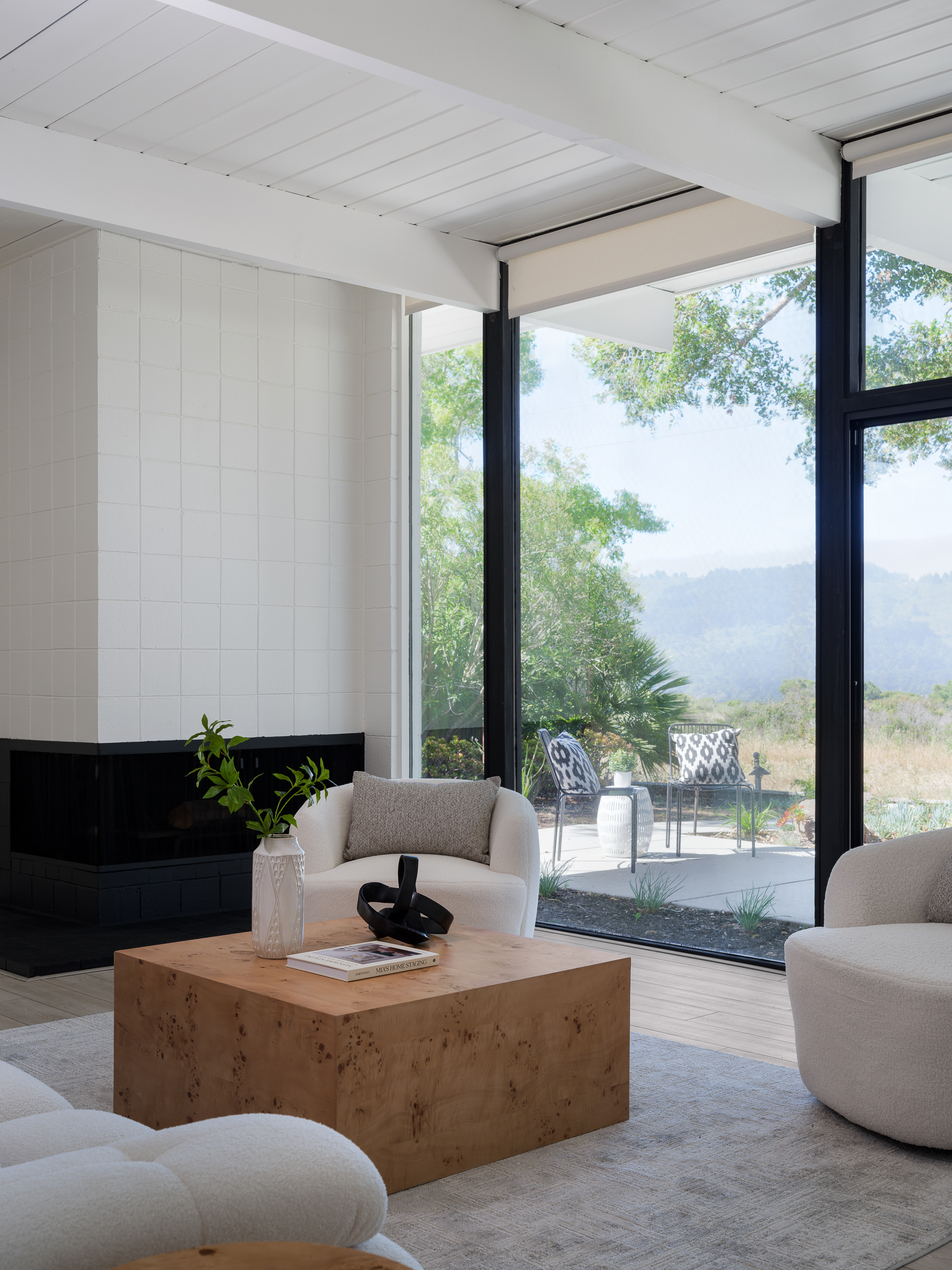
In a single-family home, the living area often carries the emotional weight of the listing. Buyers imagine weekday evenings there, visitors at the door, a laptop open on the coffee table, a child’s backpack landing near the entry. The room has to suggest use without turning into a catalog scene.
For this project, the principle was simple: create edges. A rug can mark the conversation area. A sofa can establish the longest usable wall. A chair can point the eye toward light instead of closing off the room. These choices sound small, but they control how a buyer’s body moves through the space.
Texture also matters here. Smooth walls and hard flooring can make a vacant living room feel sharp, with every footstep bouncing. Layered textiles soften that. Linen, wool, bouclé, and woven fibers all catch light differently; they keep neutral rooms from flattening into beige. The goal is not decoration for its own sake. The goal is depth.
We also avoid the common mistake of pushing every piece of furniture against the wall. Sellers sometimes assume that wall-hugging furniture makes a room look larger. Often it does the opposite. It leaves an empty middle that feels undefined, like a room waiting for a decision. A better plan gives the room a center while leaving clean walking paths around it.
Dining Areas Sell a Daily Ritual
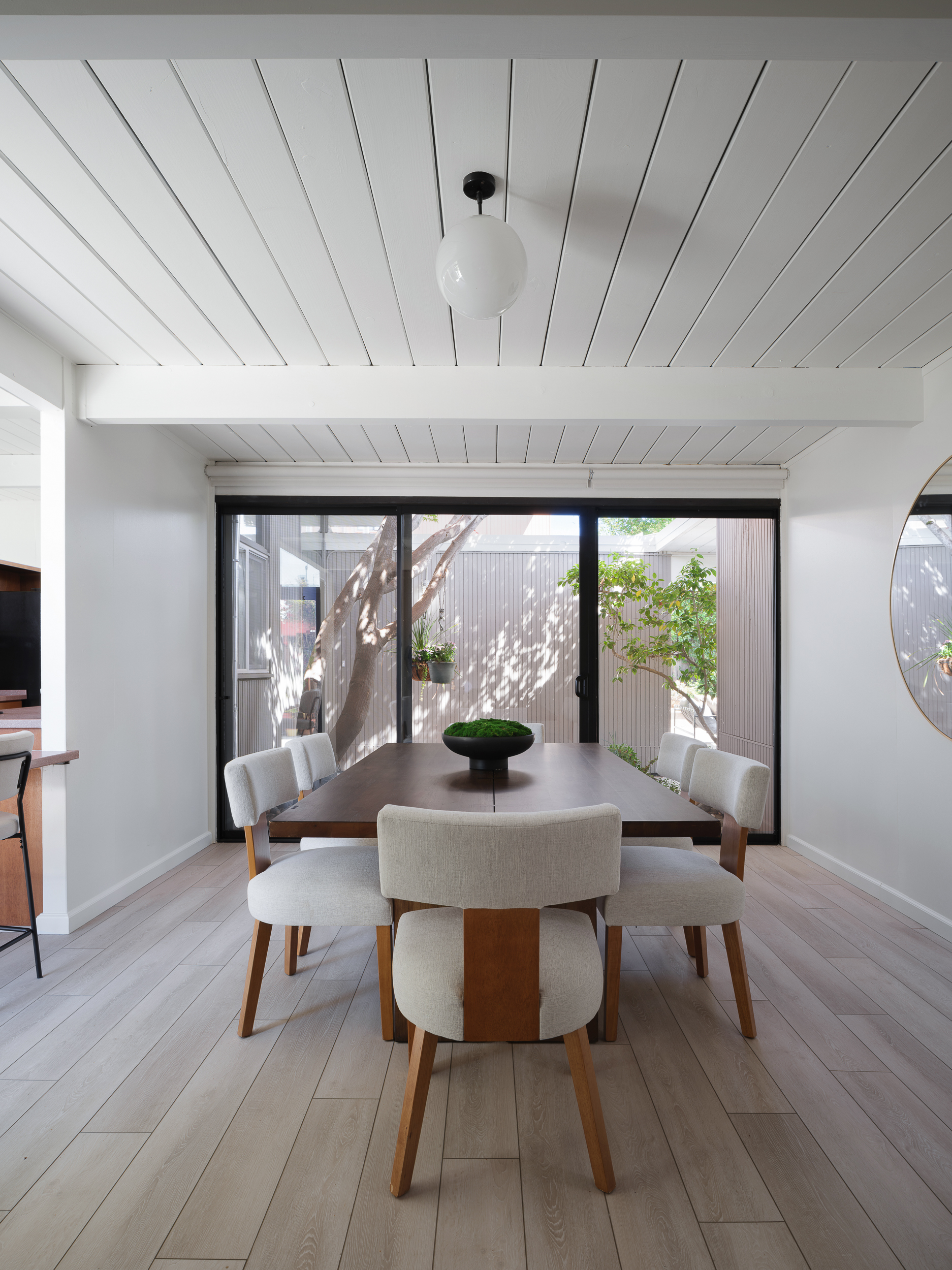
Dining spaces do not need drama. They need proportion, light, and a believable sense of use. A table that is too large makes the room feel tight. A table that is too small makes the house feel under-scaled. Either way, buyers notice the mismatch even if they cannot name it.
In homes like the Lexington Avenue property, we look at the dining area as a daily ritual: morning coffee, takeout on a weeknight, a quiet dinner with the overhead light low. The staging should let buyers feel that rhythm. A simple table, chairs with enough visual weight, and restrained tabletop styling can do more than a crowded arrangement of objects.
This is where editorial restraint becomes practical. One ceramic bowl can read better than a cluster of accessories. A textured runner can soften a tabletop without turning the dining area into a display. Negative space lets buyers see the surface, the clearance, and the relationship between the dining zone and nearby rooms.
For sellers, this is a useful lesson. You do not need every surface styled. In fact, too many small items can create visual noise in listing photos. The eye starts counting objects instead of reading the room. Good staging gives the buyer enough information, then steps back.
Bedrooms Should Feel Calm, Not Generic
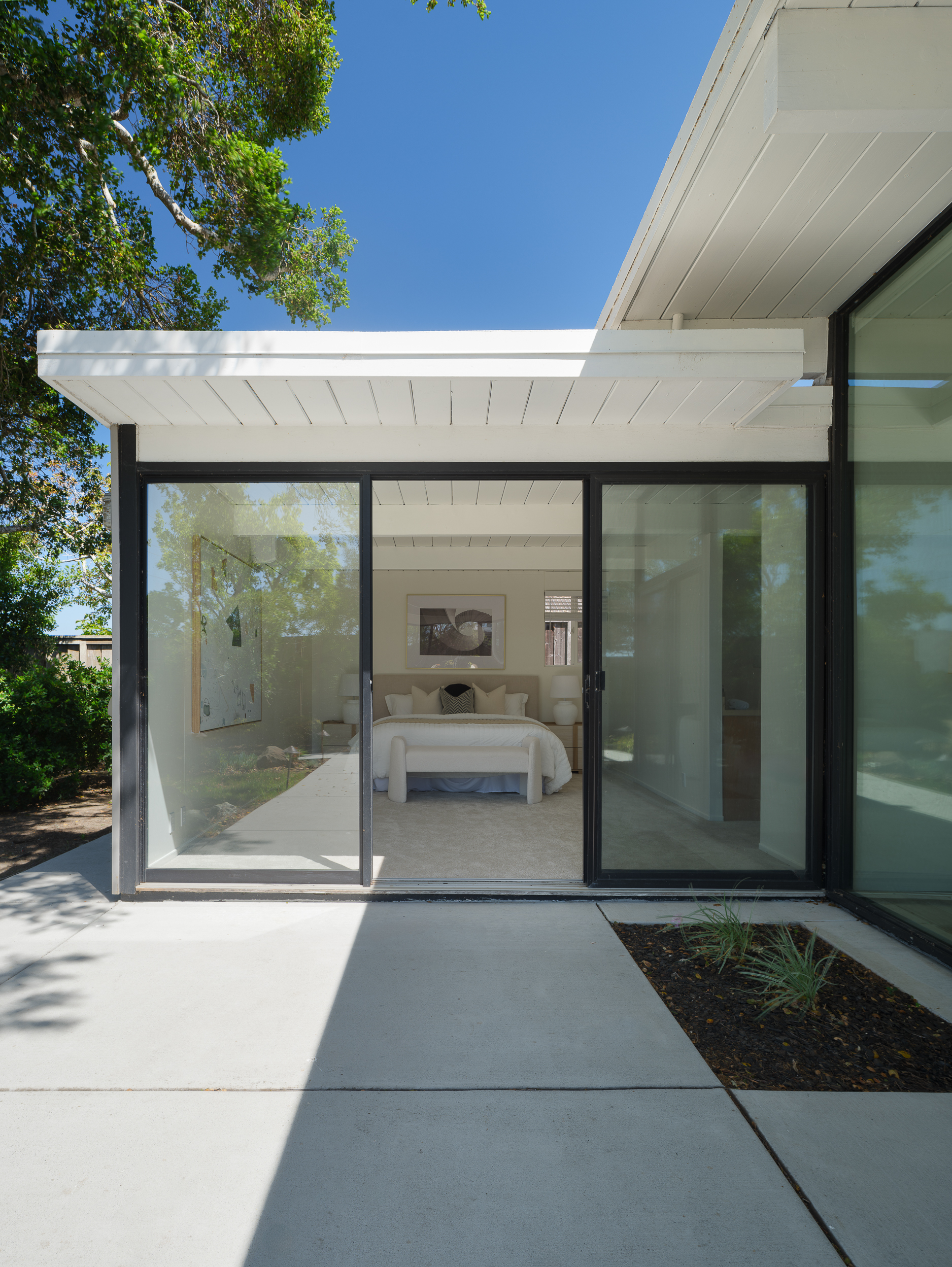
Bedrooms are where poor staging often becomes obvious. A bed goes in the middle, two small lamps appear, and the room technically looks furnished. But technical furnishing is not the same as emotional clarity.
A bedroom should tell a buyer where rest happens. That comes from scale, symmetry, and texture: a headboard with presence, bedding that has weight instead of shine, nightstands that do not look temporary, and lamps that create a warm pool of light rather than a harsh glare. When those pieces work together, the room feels quieter before anyone says a word.
In a 2,100 sq ft home, bedroom staging also helps buyers understand flexibility. A secondary bedroom might read as a guest room, a work-from-home space, or a child’s room depending on layout. We do not need to over-explain every possible use. We need to show one clean, credible version so buyers can imagine the rest.
The mistake to avoid is over-personality. Strong colors, novelty art, and highly specific themes may appeal to one person while distracting another. Mia’s Home Staging tends to keep bedroom palettes layered but calm: wood tones, soft textiles, and art that supports the room without becoming the headline.
A calm bedroom is not empty. It has enough weight to feel settled.
The Behind-the-Scenes Work Buyers Never See
A finished staging day should feel quiet, but the work behind it is very specific. Inventory has to match the home’s scale. Accessories need to be packed, tracked, placed, photographed, and later removed without disturbing anything that belongs to the homeowner.
That operational discipline is part of quality staging. On real projects, our team pays attention to what is ours and what is already in the home. Towels, linens, small kitchen items, and owner belongings can look similar once a house is styled for listing photos. Clear notes prevent mistakes during de-staging, when the rooms are being cleared and the house is moving toward closing or occupancy.
Sellers rarely think about this part, but it affects trust. A staging company is entering private space at a stressful moment. The home may be vacant, partially occupied, or in transition. Good process reduces friction for the agent, the seller, the photographer, and the crew returning after the sale.
There is also a sensory side to the behind-the-scenes work. Felt pads under furniture keep movement quiet. Clean textiles matter because buyers stand close to beds and sofas. Lamps, cords, art placement, and sightlines all get checked because small distractions can pull attention away from the house itself.
Why Restraint Matters in San Mateo
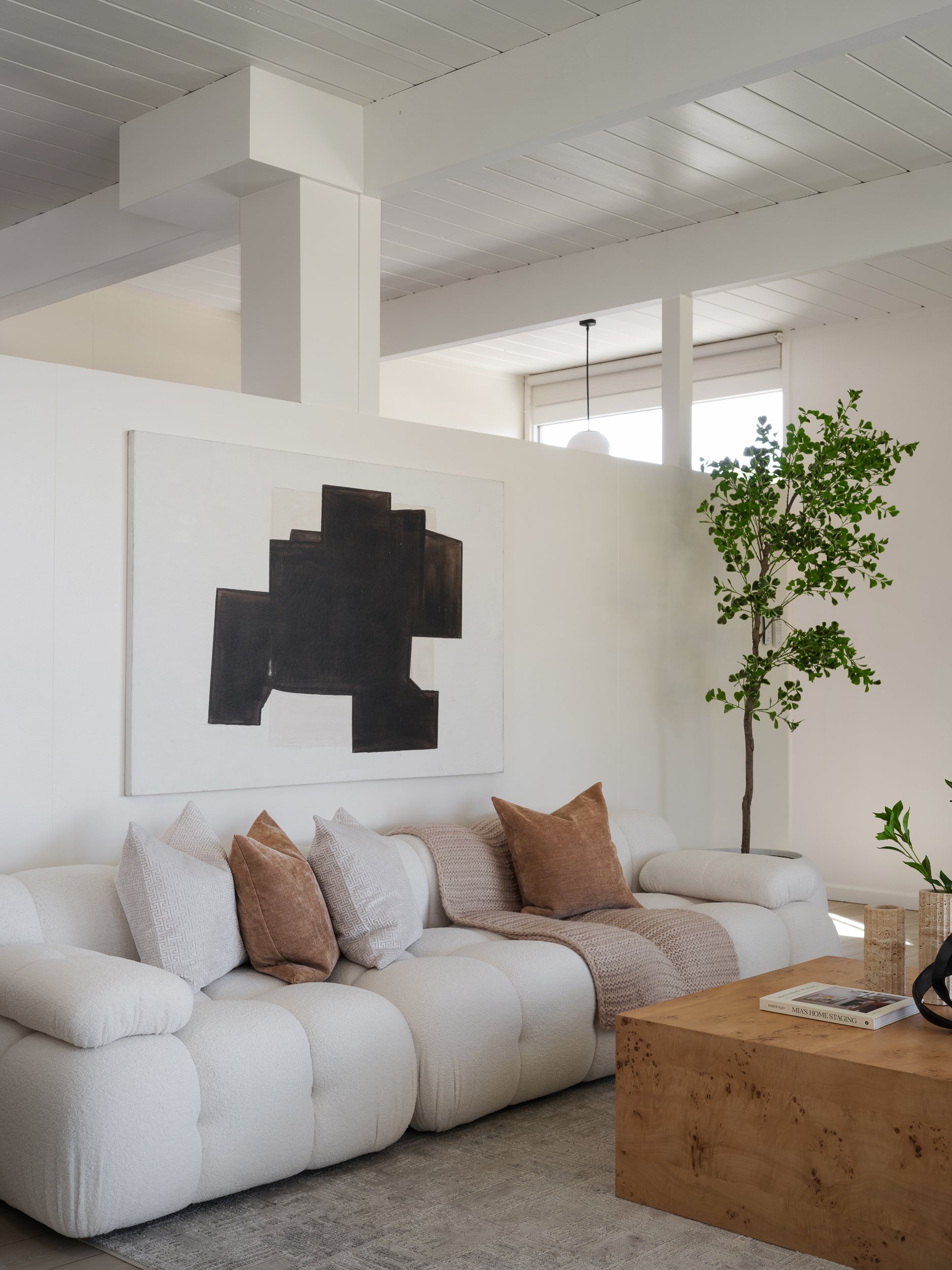
San Mateo buyers often look for a balance that is hard to stage poorly and easy to stage well: comfort without clutter, polish without stiffness, and enough warmth that a house feels lived-in without feeling occupied by someone else.
That is why restraint became the guiding opinion for this project. More staging is not always better staging. The right amount of furniture gives the house structure. Too much furniture makes buyers negotiate with the room instead of enjoying it. Too many accessories make photos feel busy. Too little softness makes the home feel unfinished.
The Bay Area market also rewards clarity. Buyers may be comparing commute routes, school needs, remote work setups, outdoor access, and long-term value all at once. Staging cannot answer every question, but it can remove unnecessary doubt. It can show where the sofa fits. It can make a dining area feel usable. It can help a bedroom feel restful rather than leftover.
For Mia Wang and the Mia’s Home Staging team, designer literacy means knowing when to edit. A matte vase, a low-profile chair, a linen pillow, and a quiet piece of art can carry a room if the proportions are right. The confidence is in the editing, not in the amount of product brought through the door.
Seller Takeaways From the Lexington Avenue Project
If you are preparing to sell a single-family home in San Mateo, start with the buyer’s path. Where do they enter? What do they see first? Does the main living space tell them how to use it, or does it ask them to solve the layout on their own?
Next, think about scale. Staging is not just setting up vacant rooms with rented furniture so buyers can visualize living there. It is choosing the right size, shape, and visual weight for the room. A bulky sectional can shrink a living area. A thin chair can make a bedroom feel temporary. The right piece helps the architecture read cleanly.
Then edit. Remove items that create personal history rather than buyer imagination. Family photos, crowded shelves, scented candles, and too many small decorative pieces can make a listing feel like someone else’s private space. Buyers need warmth, but they also need room to project their own life into the house.
Finally, hire for judgment, not just inventory. Ask how the staging team thinks about photo angles, traffic flow, buyer demographics, and de-staging logistics. Look through related work on our /portfolio page, then compare the level of restraint and consistency. If you want to understand service options before listing, our /services page is the right next step.
The Lexington Avenue project was a reminder that strong staging does not need to announce itself. When the work is done well, buyers talk about the house: the light in the living area, the calm bedroom, the dining space that feels easy to use. That is the point.
Frequently Asked Questions
- Why stage a San Mateo single-family home before selling?
- Staging helps buyers understand scale, layout, and daily use. In a 2,100 sq ft single-family home, the right furniture plan can make living areas, dining spaces, and bedrooms read more clearly in photos and during walkthroughs.
- What is vacant home staging?
- Vacant staging means setting up empty rooms with rented furniture, art, lighting, rugs, and accessories so buyers can visualize living in the home. It also helps online photos communicate room size and flow more clearly.
- How much does San Mateo home staging cost?
- Cost depends on home size, number of rooms, access, inventory needs, and rental duration. Mia’s Home Staging can review the listing plan and recommend whether full staging, partial staging, or consulting makes sense.
- Can I use staging consulting if I still live in the home?
- Yes. Staging consulting can help occupied sellers edit furniture, adjust layouts, select paint or lighting updates, and prepare rooms for listing photos without bringing in a full house of rental inventory.


