home staging cost Bay Area: Compare Quotes
What to check in each proposal, from furniture and installation to holiday extensions and removal.

home staging cost Bay Area: Compare Quotes
What to check in each proposal, from furniture and installation to holiday extensions and removal.
Start with the room list, not the bottom line

The living room gets a linen sofa, a textured rug, and lamps that soften a dim corner. But what about the dining area visible behind it? If you’re searching “home staging cost Bay Area,” you’re probably trying to put a reliable number into your selling budget. The challenge is that proposals can describe very different work while carrying the same label: home staging.
Physical staging means arranging furniture and accessories, often rented, to help buyers understand how rooms function. For a vacant property, that might involve furnishing the main living spaces and selected bedrooms. Consulting is different: a designer recommends changes, potentially using furniture you already own. Compare those services separately.
Here’s our position: the lowest quote means little until the room list and rental terms match. A lower price might reflect fewer furnished spaces, a shorter rental period, or charges that appear elsewhere in the proposal. It might also represent a genuinely leaner scope that suits your property.
Without a property-specific scope and current proposals, a dollar range would imply more certainty than we have. Instead, build a comparison around what you’ll receive, what you’ll owe initially, and what happens if the furniture stays longer. That gives you a budget you can actually use.
The lowest quote means little until the room list and rental terms match.
Make every included space visible on paper

Walk through your home in the same order a buyer would. From the entrance, can you see the living room, dining area, and a stretch of empty floor beside the kitchen? Ask each company to identify the spaces it will stage, rather than relying on descriptions such as “main areas” or “whole-home package.”
Then ask what each space includes. A dining area with a table, chairs, artwork, and a rug differs from a table-and-chairs arrangement. Neither approach is automatically wrong. The question is whether the proposal provides enough visual information to explain the room without crowding its circulation paths.
Give ambiguous areas particular attention. An alcove could read as a work area, a reading corner, or simply extra floor space. Ask the stager what purpose they recommend and whether furnishing that area appears in the quoted scope. Don’t assume the walkthrough conversation became part of the written proposal.
Vacant home staging cost should therefore be compared against a room-by-room plan, not square footage alone. Properties with similar floor areas can need different furniture layouts. Make a simple comparison sheet with spaces down the side and proposals across the top; mark exclusions as clearly as inclusions. You’ll quickly see whether the prices describe equivalent work.
Evaluate furniture by scale, condition, and cohesion

A deep sofa can look generous in a photograph and leave an awkward squeeze beside a doorway. A rug that stops short of the seating group can make furniture look disconnected. Furniture quality matters, but for staging, quality includes proportion and condition, not just the label underneath a chair.
Ask to see work relevant to your home’s architecture and room sizes. Look for clear walking routes, coordinated wood tones, clean upholstery, and lighting that supports the room. A pale woven chair against dark flooring should feel like an intentional contrast, not an unrelated piece pulled into an empty corner.
Clarify whether the proposal describes a design direction or commits to specific pieces. If substitutions are allowed, ask how the company maintains comparable scale, condition, and visual consistency. You don’t need to approve every cushion, but you should understand what the quoted furniture standard means.
Browse Mia’s Home Staging portfolio with those questions in mind. Pay attention to how furniture explains a space, rather than counting accessories. An edited room can require careful selection and placement even when it contains relatively few objects. When comparing home staging pricing, ask each company to explain its layout choices and how they support the rooms you need buyers to understand.
Separate design, installation, and removal charges
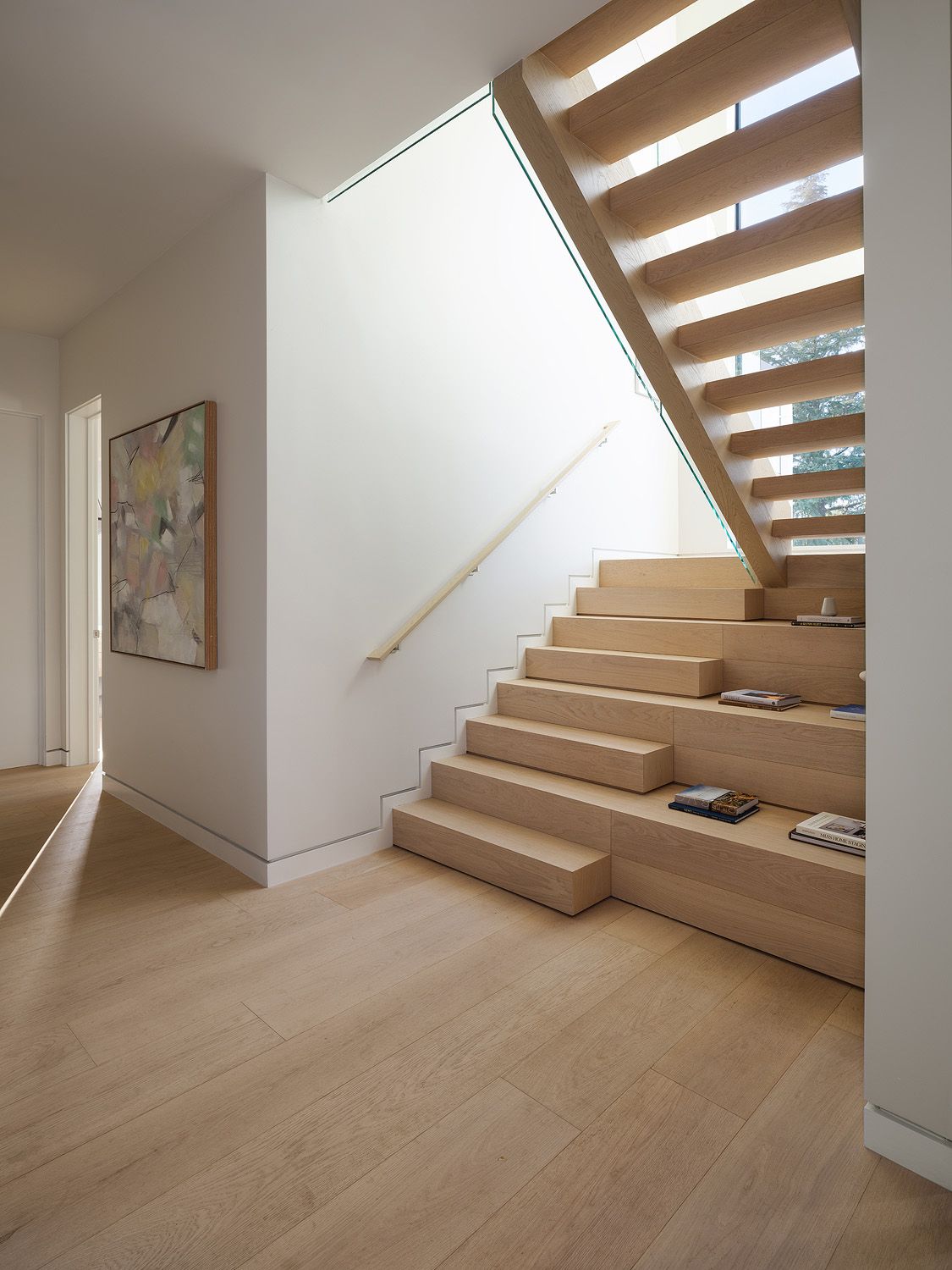
The furniture is only part of the work. Someone must plan the layout, prepare the inventory, transport it, carry it through the entry, position it, and return to collect it. A narrow stair landing or a building’s loading restrictions can affect that process even when the finished room looks simple.
Ask whether the quoted total includes design, delivery, installation, styling, and removal. If the proposal lists those services separately, add them together before comparing it with a bundled quote. An itemized proposal isn’t inherently more expensive; it simply exposes the components.
Share access details before accepting the proposal. Describe stairs, elevator arrangements, parking limitations, and any building requirements you know about. Ask whether those conditions affect the price or schedule, and whether any access-related charges remain unresolved. The goal is a quote based on the actual route into your home.
Also confirm what must happen before installation: cleaning, painting, repairs, and moving out existing belongings. Ask what rescheduling would cost if the property isn’t ready. Finally, establish who requests removal, how much notice the company requires, and what obligations continue until pickup. Keep payment timing on your comparison sheet too. A deposit and a later balance may be portions of the same total, not additional fees.
Read the rental clock before you accept the quote
Once the lamps are plugged in and the beds are dressed, the rental clock matters as much as the room design. Start by finding the initial term in writing. Ask which event starts it: installation, photography, the listing going live, or another date specified in the agreement.
Next, identify how extensions work. Are additional periods billed in fixed blocks or prorated? Does an extension happen automatically, or must you authorize it? Ask when payment is due and whether the extension covers the entire installed inventory. These details determine how home staging rental fees accumulate.
Early removal deserves the same attention. Don’t assume unused rental time produces a refund. Ask what the agreement says about shortening the term, canceling before installation, or changing the scope after approval. The written terms should answer these questions without requiring you to infer company policy.
Build your comparison around an initial total and a possible extended total. The initial total combines all required charges through the included rental term. The extended total adds the applicable rental charges and any other costs the agreement ties to that scenario. Ask each company to calculate both using the same proposed schedule. If a charge depends on something still unknown, label it as unresolved rather than treating it as zero.
Give a late-fall listing a holiday budget scenario
Late-fall light can fade before an afternoon showing ends, making lamps and a coherent room layout especially useful. The calendar brings a separate planning question: what happens if your listing still needs its furniture during the holidays? Don’t assume a delay, but price the possibility before installation.
Consider a hypothetical seller who installs staging in late fall and expects to remove it before holiday travel. The listing remains active longer than planned. The relevant question isn’t just the extension rate; it’s whether the rental term, required notice, and available pickup dates align.
Ask the staging company about its actual holiday schedule. Are there closures or limited installation and removal appointments? How far ahead should you request pickup? If your preferred date is unavailable, ask how that affects rental charges under the agreement. Don’t assume billing stops when you request removal or when the home goes under contract.
Then coordinate a working timeline with your agent and stager. Include photography, listing launch, the rental end date, the extension decision point, and the removal notice deadline. Keep the holiday scenario separate from the base quote so you can see the contingency clearly. This isn’t a prediction that your home will linger; it’s a way to avoid making a furniture-budget decision while you’re also managing travel and sale paperwork.
Choose a scope you can explain and a total you can track
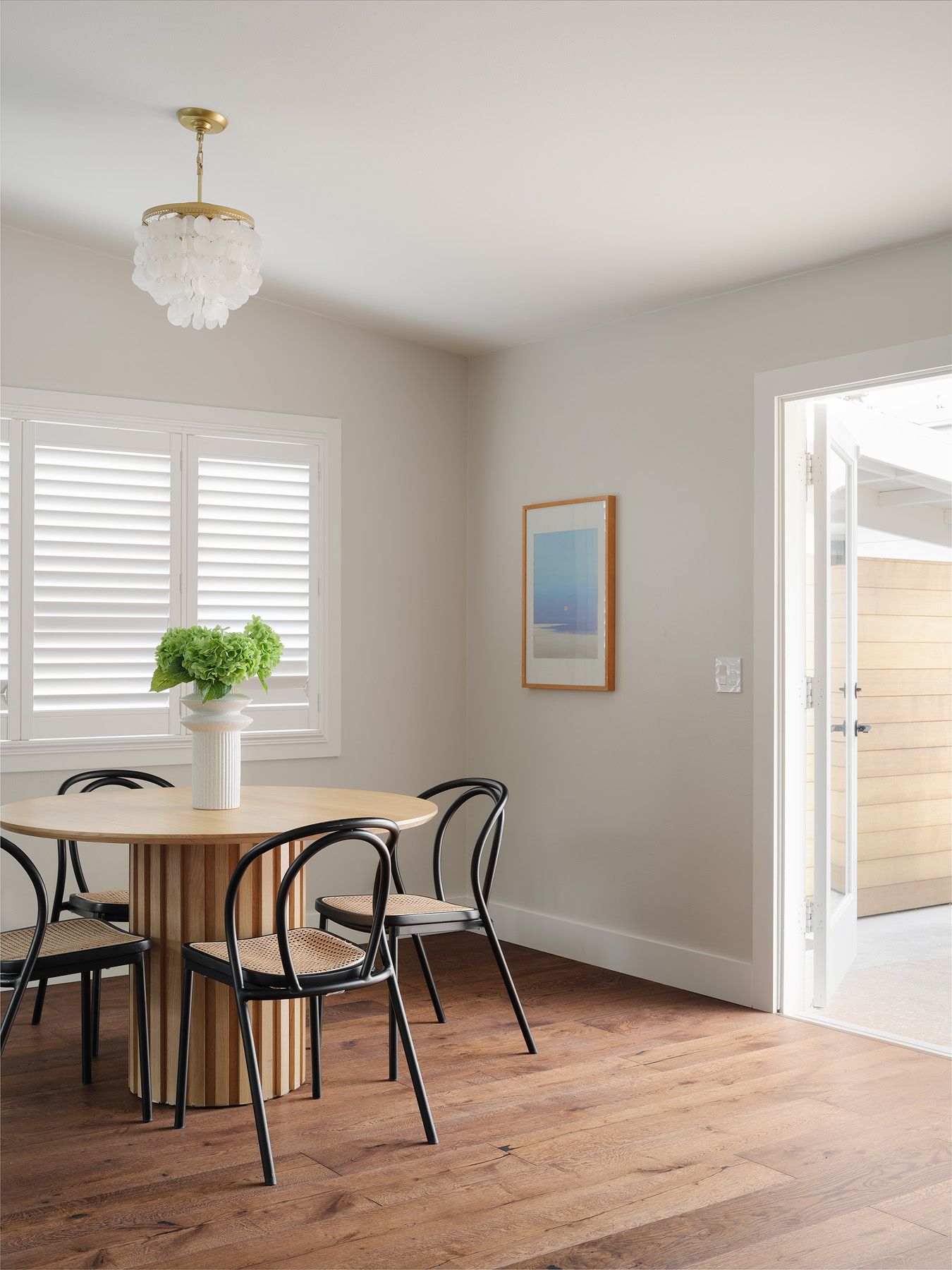
Before signing, you should be able to explain the proposal in plain language: which rooms will be furnished, what design standard to expect, what installation and removal include, and how long the furniture can stay. You should also know what you’d pay if the lamps and linen sofa remain through an additional rental period.
If the total stretches your budget, discuss scope before asking for a blanket discount. Could a furnished dining area explain the open layout while a secondary room remains empty? Could consulting help you edit existing furniture instead? Ask what each adjustment removes from the service, not just what it removes from the price.
Mia’s Home Staging offers physical staging and consulting in the Bay Area. Our approach combines designer literacy with editorial restraint: furniture should clarify the room, not compete with it. Explore our staging and consulting services to understand which approach fits the property you’re preparing to sell.
Staging cannot guarantee a sale price or a selling timeline. What you can evaluate now is the proposed work and the agreement behind it. Choose with a clear room list, written rental terms, and a budget that accounts for both your intended schedule and a possible extension. That’s a more useful comparison than the headline price alone.
Frequently Asked Questions
- How can I compare Bay Area home staging quotes fairly?
- Compare the same rooms, furniture scope, installation and removal services, and rental period. Ask each company for an initial total and a total based on the same possible extension schedule. Identify unresolved charges rather than assuming they are included.
- Does a staging quote include furniture removal?
- Check the written proposal. Ask whether removal is included in the total, what notice is required, and whether access restrictions or scheduling changes can create additional charges.
- What happens if my staging rental extends into the holidays?
- The agreement and the company’s schedule determine the effect on your budget. Confirm extension rates, billing periods, holiday availability, removal notice requirements, and the event that ends rental charges.
- Can consulting be an alternative to furnishing a vacant home?
- Consulting provides recommendations rather than the same furniture-and-installation scope as physical staging. It may suit a seller who has usable furnishings and can implement the recommended changes. Compare the deliverables before treating the services as interchangeable.


