Holiday Home Staging: How Much Should You Decorate?
What Bay Area sellers can display, simplify, or store before listing photos and holiday showings.
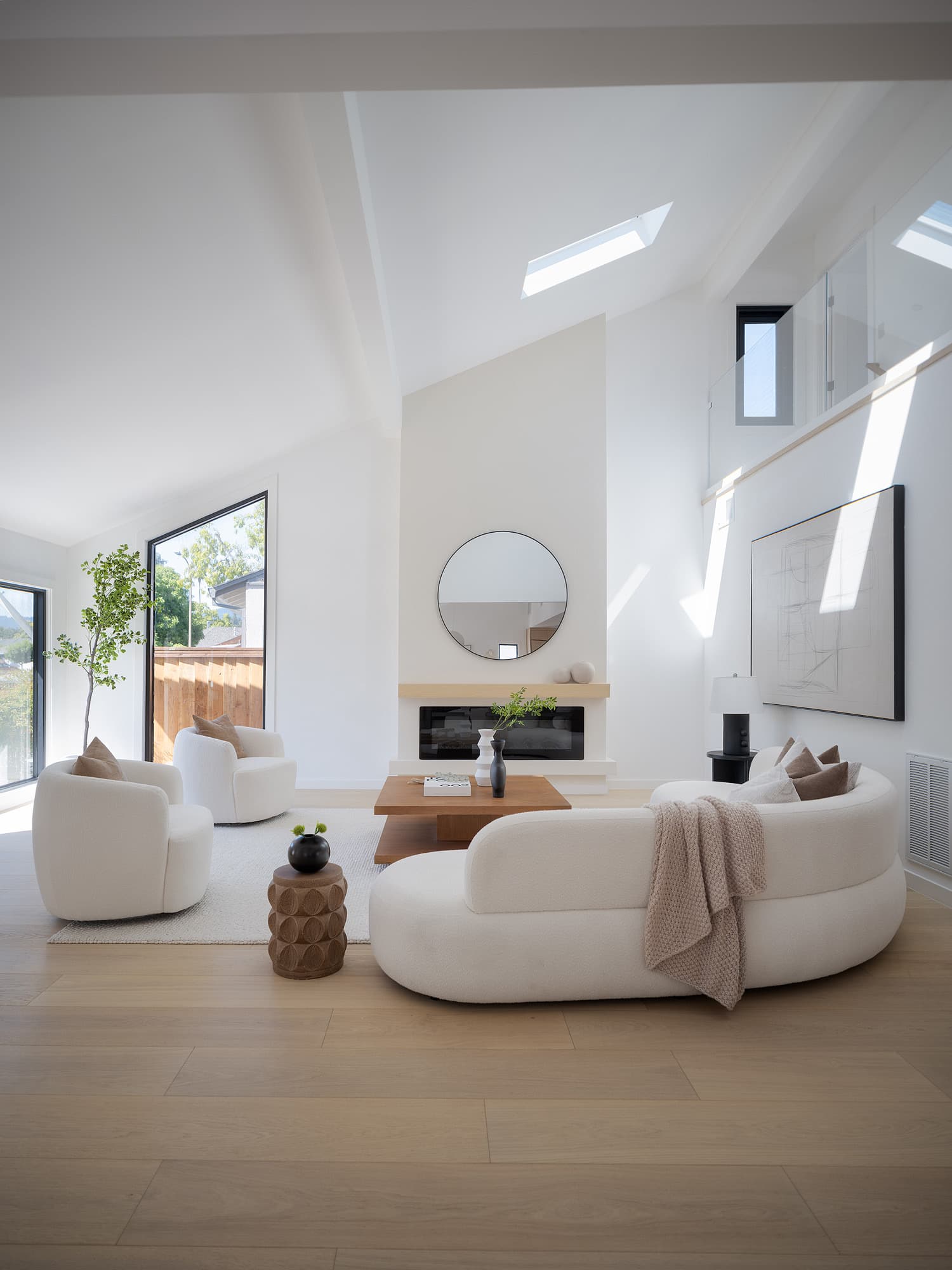
Holiday Home Staging: How Much Should You Decorate?
What Bay Area sellers can display, simplify, or store before listing photos and holiday showings.
Let the room take priority over the holiday

The garland looks good across the mantel. But from the doorway, it hides the fireplace trim, and the armchair beside the tree pushes into the path to the windows. This is where holiday home staging starts: not with whether a decoration is tasteful, but with what it prevents a buyer from seeing.
Our position is simple: when a decoration competes with the architecture, the decoration goes. Buyers need to understand the room’s proportions, daylight, and furniture layout. A seasonal display can stay when it supports that view. It should never require someone to look around it to appreciate the house.
For November sellers in the Bay Area, that doesn’t mean living in bare rooms through the holidays. It means separating what makes a celebration meaningful from what helps present the property. You can keep your traditions without including every part of them in the listing photographs.
Start with the view from each doorway. Can you see the windows, the fireplace, and a clear route through the room? Then look at the surfaces. If your eye lands on ornaments before it registers the room itself, simplify. The goal isn’t to erase the season. It’s to keep the house readable.
When a decoration competes with the architecture, the decoration goes.
Sort decorations into display, simplify, and store
Before opening every storage bin, decide what belongs in the listing presentation. A matte ceramic bowl, clipped greenery, or a restrained front-door wreath can add texture without consuming much space. These are display candidates, not a shopping list. You may already have enough in the room.
The simplify category includes things you enjoy but can reduce. Keep the wreath and remove the trailing ribbon that brushes the handle. Leave a short arrangement on the dining table instead of spreading decorations from end to end. Edit the mantel until the surround and its edges remain visible.
Store anything that occupies walking space, covers a useful surface, or introduces a distracting cluster of small objects. That might include floor-standing figures, collections of miniature houses, oversized baskets of ornaments, and boxes of wrapped gifts. A collection can feel modest in person yet look busy in a wide photograph.
Apply the same test to autumn decor. Pumpkins shouldn’t narrow the steps, and dried branches shouldn’t obscure the view across a table. Personal or religious objects don’t need a different design rule: consider their scale, placement, and visual density. Keep meaningful items accessible for your household, even when you put them away for photography.
Give listing photos a quieter seasonal treatment
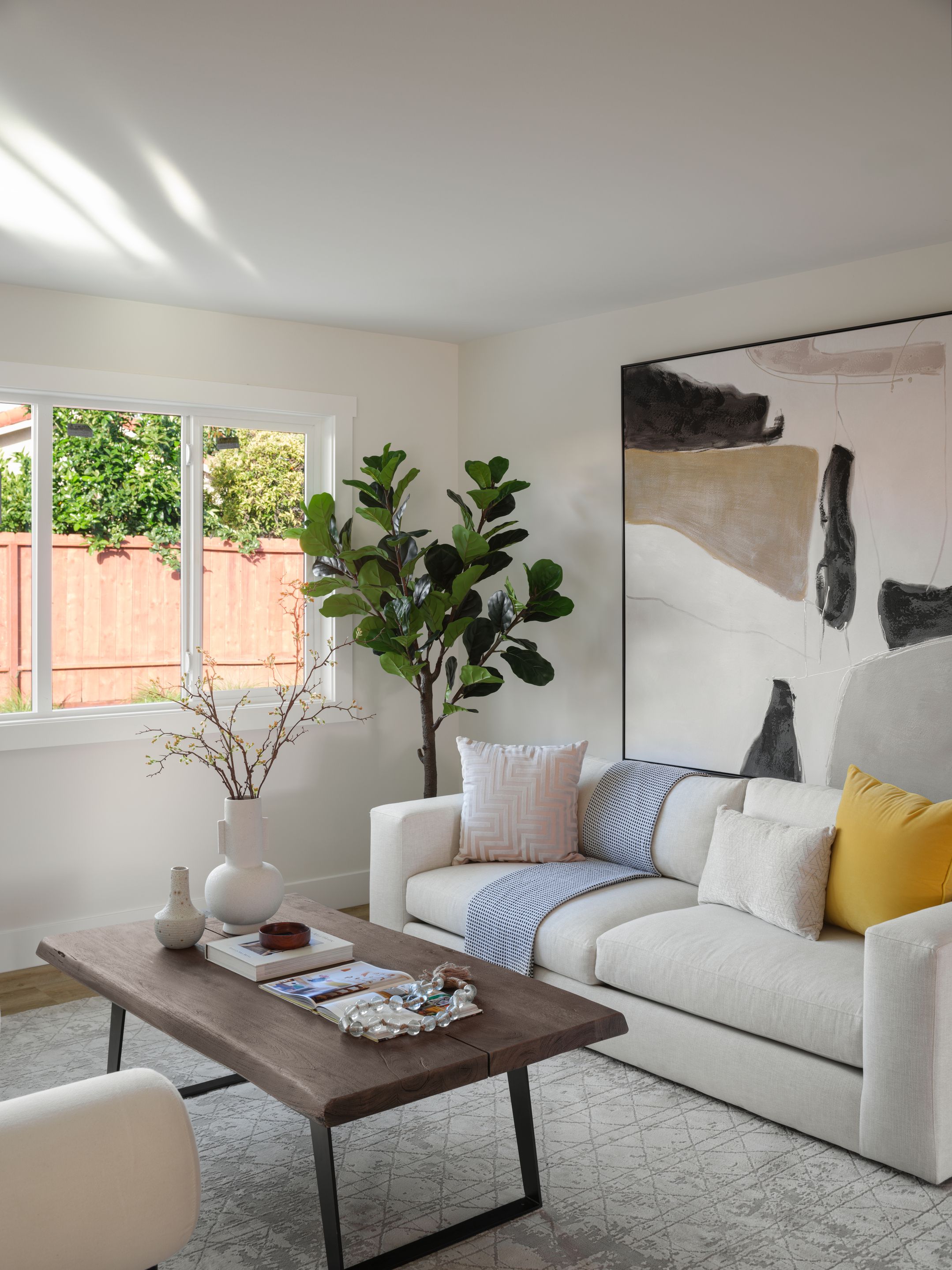
Listing photographs and daily life have different requirements. A photograph freezes every detail, including the garland draped over a cabinet and the gift bags tucked beside a sofa. Seasonal objects can also make the timing of a photo conspicuous if the listing remains online after that holiday has passed.
For photography, favor details that still make sense outside a celebration: a wool throw folded over a chair, a wood bowl on a console, or fresh greenery without ornaments. Keep windows unobstructed so the photographer can show their shape and the daylight entering the room.
Before the photographer arrives, take phone pictures from the main doorways. Use them to spot clutter, not to judge professional lighting. Look for decorations that visually merge with furniture, bright packaging that draws attention, and objects that hide the floor. Remove those distractions, then check the same view again.
If you want fuller decorations for a gathering after photography, make that change reversible. Avoid rearranging the whole living room around a display you’ll struggle to move before showings. When selling a house during the holidays, a simple reset routine is more useful than a presentation that only works when nobody is living there.
Keep the tree only if the layout still works
A tree deserves its own decision because it changes the room’s footprint. The question isn’t whether trees belong in homes for sale. It’s whether this tree, in this location, leaves the seating arrangement and circulation intact. Stand at the entry and check what it conceals.
If the branches cover a window, hide built-in shelving, or push a chair into the walkway, choose a smaller tree, relocate it, or leave it out of the listing presentation. Don’t move essential furniture into awkward positions to accommodate it. A sofa angled across a passage makes the room harder to understand.
Pay attention to the base as well. A broad tree skirt and a spreading pile of gifts can take up more floor than you expected. Keep cords out of walking routes, and avoid placing decorations where they interfere with doors. Buyers should be able to move through the room without stepping around your seasonal setup.
For holiday decorating when selling your home, a compact tabletop arrangement can offer a workable alternative. It still needs breathing room: don’t put it on the only usable kitchen prep surface or crowd it onto an entry console. If there’s no natural place for a display, skipping it is a sound design choice.
Protect the surfaces buyers need to understand
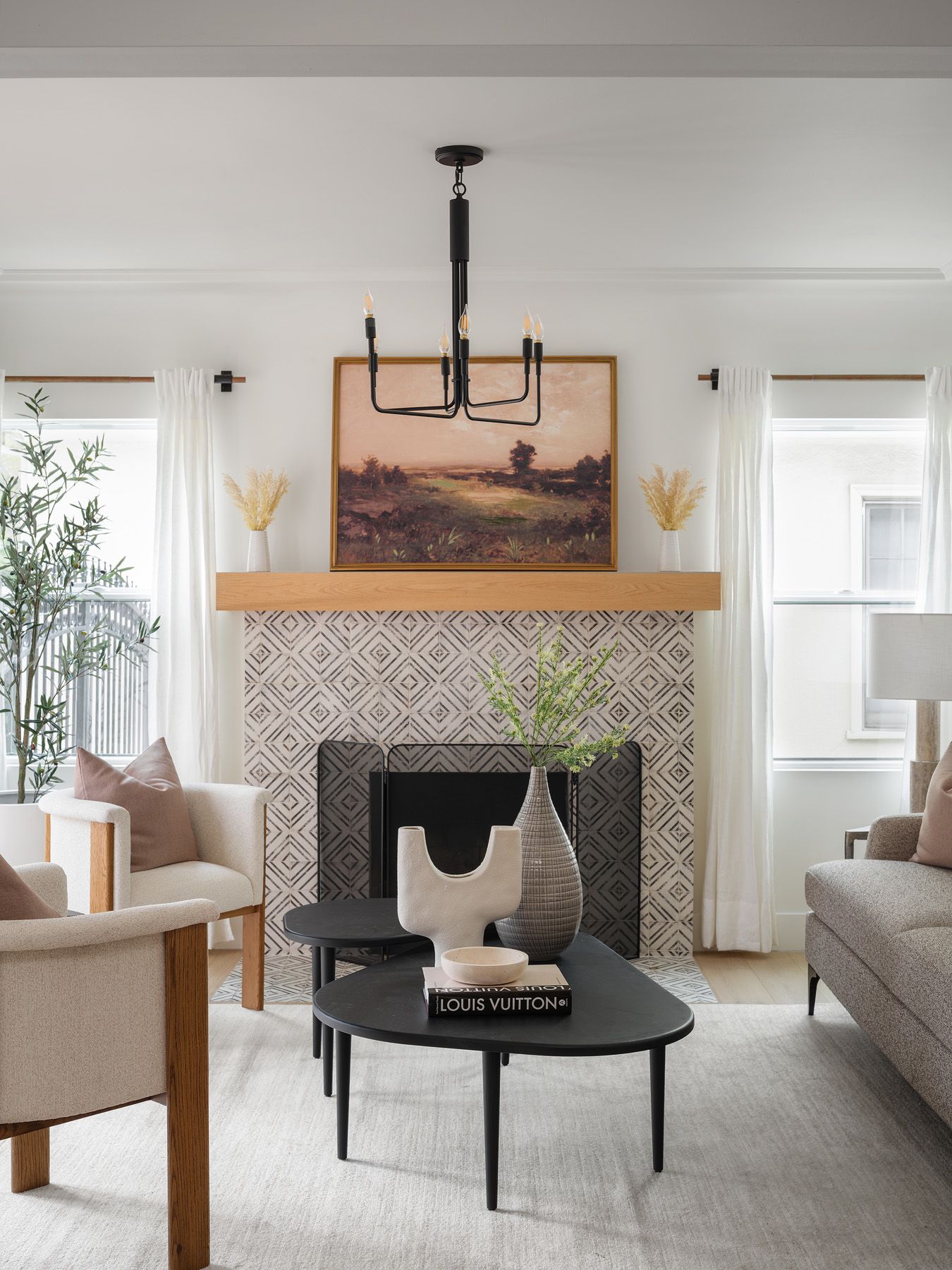
In the entry, keep the door swing and the path into the house clear. A wreath can provide a seasonal cue without a matching display on the floor. Remove loose needles and leaves before showings. The threshold should feel like an easy transition, not an arrangement visitors must navigate.
In the living room, show the fireplace as a feature with visible edges and materials. Let buyers see the stone, brick, or painted millwork instead of covering it with layers of stockings and greenery. Leave enough open space on nearby shelves that the built-ins read as storage rather than a backdrop for ornaments.
In the dining room, choose a low centerpiece that allows a clear view across the tabletop. Leave most of the surface exposed so buyers can judge its scale. In the kitchen, keep holiday serving pieces and baking supplies stored between uses; visible counter space explains the work area better than a fully styled spread.
Bedrooms and bathrooms rarely need seasonal decorations. Smooth bedding, a textured throw, clean mirrors, and uncluttered counters already give those rooms a finished appearance. For examples of furniture scale and room composition, browse our home staging portfolio, paying attention to the open space around furniture as much as the pieces themselves.
Use light and texture, not scent, to add warmth
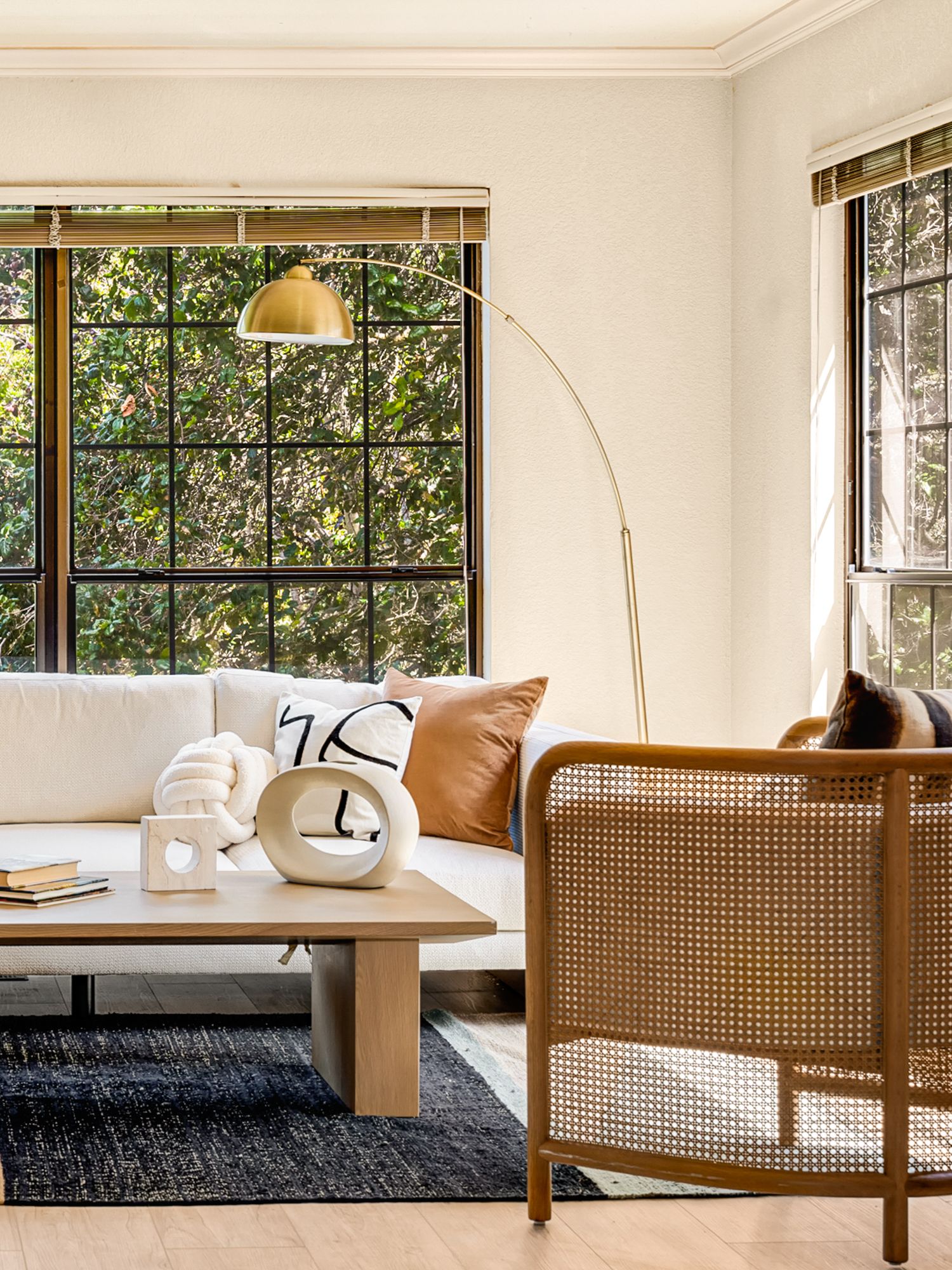
When you remove decorations, a room may initially feel quieter than you’re used to. Don’t immediately fill the gaps. Look at the materials already there: the grain of a wood table, a woven rug, the soft edge of a linen curtain. Those details can carry warmth without an added holiday theme.
Next, check the lighting. Open window coverings for daytime showings where appropriate, and replace burned-out bulbs. Avoid a patchwork of noticeably blue and yellow light within the same room. Lamps can soften a dim corner, but strings of decorative lights shouldn’t distract from the room’s regular lighting.
Keep fragrance restrained by leaving out scented candles, plug-ins, and simmering spices during showings. Visitors have different sensitivities, and a strong cinnamon smell adds another sensory demand to the visit. Address the source of an odor rather than covering it. Clean fabrics and a maintained interior matter more than a seasonal fragrance.
Sound deserves the same restraint. Turn off musical decorations and animated displays so visitors can talk comfortably and notice the house itself. Bay Area home staging doesn’t require a holiday soundtrack or fragrance. The furniture layout, visible finishes, and balanced lighting should do the work.
Build a showing reset you can actually maintain
A useful staging plan fits the household’s routine. Choose a designated storage spot for the decorations you’ll remove before a showing, rather than distributing them across already-full closets. Keep storage orderly so you don’t solve a clutter problem in the living room by creating one behind a bedroom door.
Before each visit, walk the route a buyer will take. Clear the entry, check the passage around the sofa, expose the dining tabletop, and straighten the bedding. Remove fallen greenery and tuck away gift-wrapping supplies. Finish by checking that decorations haven’t drifted back across a window or fireplace edge.
You don’t need to redesign the house every time someone comes through. You need a consistent baseline with clear sightlines and usable surfaces. If a seasonal item repeatedly complicates that reset, store it until after the listing period. That’s a practical decision, not a judgment about your taste or traditions.
Mia’s Home Staging offers physical staging and consulting for Bay Area sellers. Physical staging places furniture and accessories to clarify how rooms function; consulting helps you decide what to keep, move, or remove. Explore our staging and consulting services if you need help balancing your existing furnishings with a quieter holiday presentation.
Frequently Asked Questions
- Should I remove all holiday decorations before listing photos?
- Not necessarily. Keep small, restrained details that leave windows, architectural features, and walking routes visible. Store prominent holiday displays for photography, especially if they obscure the room or make the images feel tied to a short seasonal window.
- Can I keep a holiday tree while my house is for sale?
- Yes, if it fits without blocking windows, hiding features, or forcing furniture into awkward positions. If the tree narrows a walkway or overwhelms the seating area, consider a smaller version, another location, or leaving it out during the listing period.
- How can I make my home feel welcoming without many decorations?
- Use the room’s existing materials and lighting: a woven throw, visible wood grain, clean upholstery, and lamps that soften dim corners. Keep surfaces usable and avoid strong fragrances or musical displays during showings.


