Bay Area Summer Real Estate Market: June Sellers
A June seller’s guide to pricing locally, staging early, and removing buyer hesitation before launch week.
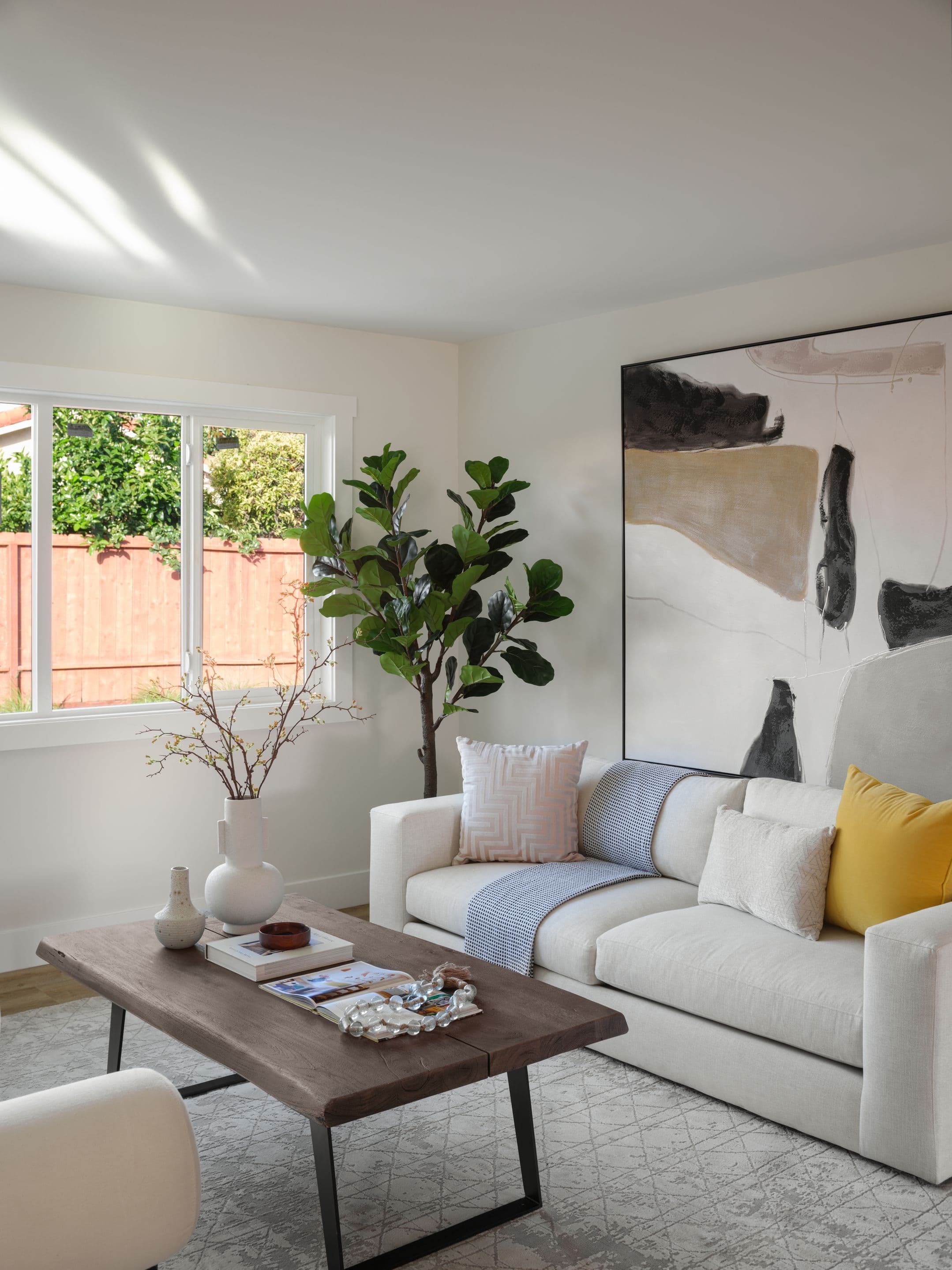
Bay Area Summer Real Estate Market: June Sellers
A June seller’s guide to pricing locally, staging early, and removing buyer hesitation before launch week.
June Is Not the Leftover Season
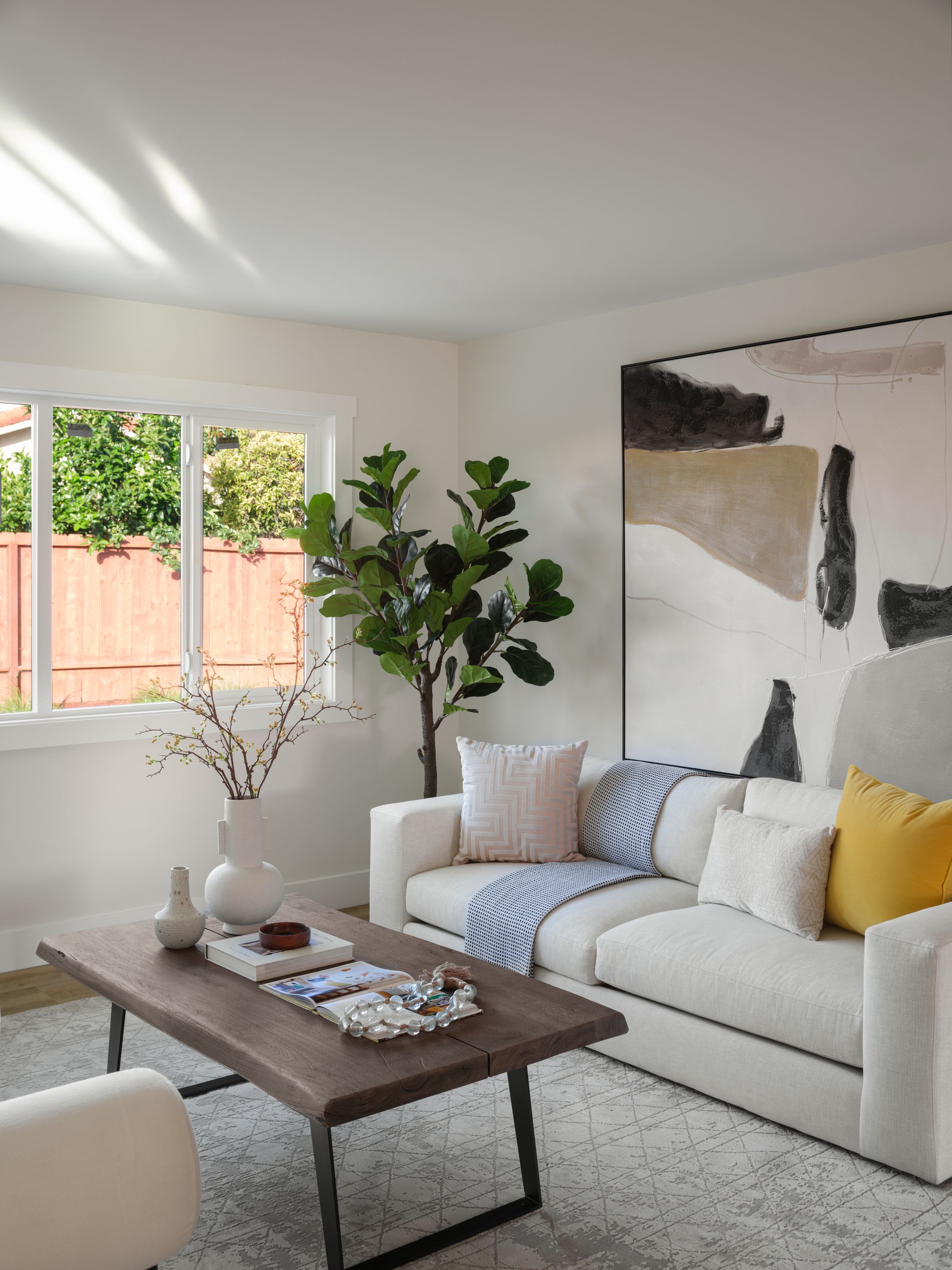
The Bay Area summer real estate market does not wait politely for sellers to feel ready. By June, the spring rush has already set the pace: buyers have toured, agents have watched which homes pulled offers, and online listing photos have trained everyone’s eye. The front door opens, the house smells faintly of fresh paint, the afternoon light hits the floor, and a buyer decides within minutes whether the price feels reasonable.
If you missed April or May, that does not mean you missed the market. It means you need a sharper launch. June is a mid-year checkpoint, not a consolation round. Sellers can still win, but only when pricing and presentation work together. A home that looks half-finished online will not get a second first week.
My opinion is simple: in June, staging is not decoration. It is objection removal. It answers the quiet questions buyers carry through the hallway: Where does the sofa go? Is this room too dark? Will I need to repaint? Can I host dinner here? Can I work from home without taking over the bedroom?
In June, staging is not decoration. It is objection removal.
Read the Bay Area Data by Neighborhood, Not Headline
The Bay Area is moving, but not as one clean wave. According to the California Association of REALTORS® April 2026 report, released May 19, the San Francisco Bay Area existing single-family median sold price was $1,400,000 in April. That was flat month over month and down 1.3% year over year. At the same time, Bay Area sales rose 18.8% from March and 5.5% from the prior year. More activity does not automatically mean every seller can price aggressively.
The county-level details matter. C.A.R. reported San Francisco County’s single-family median at $2,127,500, up 19.5% year over year. Santa Clara County was $2,100,000, down 1.0% year over year. Alameda County was $1,325,000, down 1.9% year over year. Same region. Different signals. A seller in San Francisco hears a different market rhythm than a seller in Santa Clara or Alameda, even if both homes have warm oak floors, white walls, and a sunny kitchen.
C.A.R. also cautioned that median-price movement can reflect changing sales mix, not pure home-value appreciation. That sentence deserves attention. If more higher-end homes sell in a given month, the median can rise even when individual home values stay steadier. So before you anchor to a headline, look at your true competition: same city, similar lot, similar school zone, similar condition, similar light, similar buyer pool.
Fast Sales Reward Homes That Are Ready on Day One
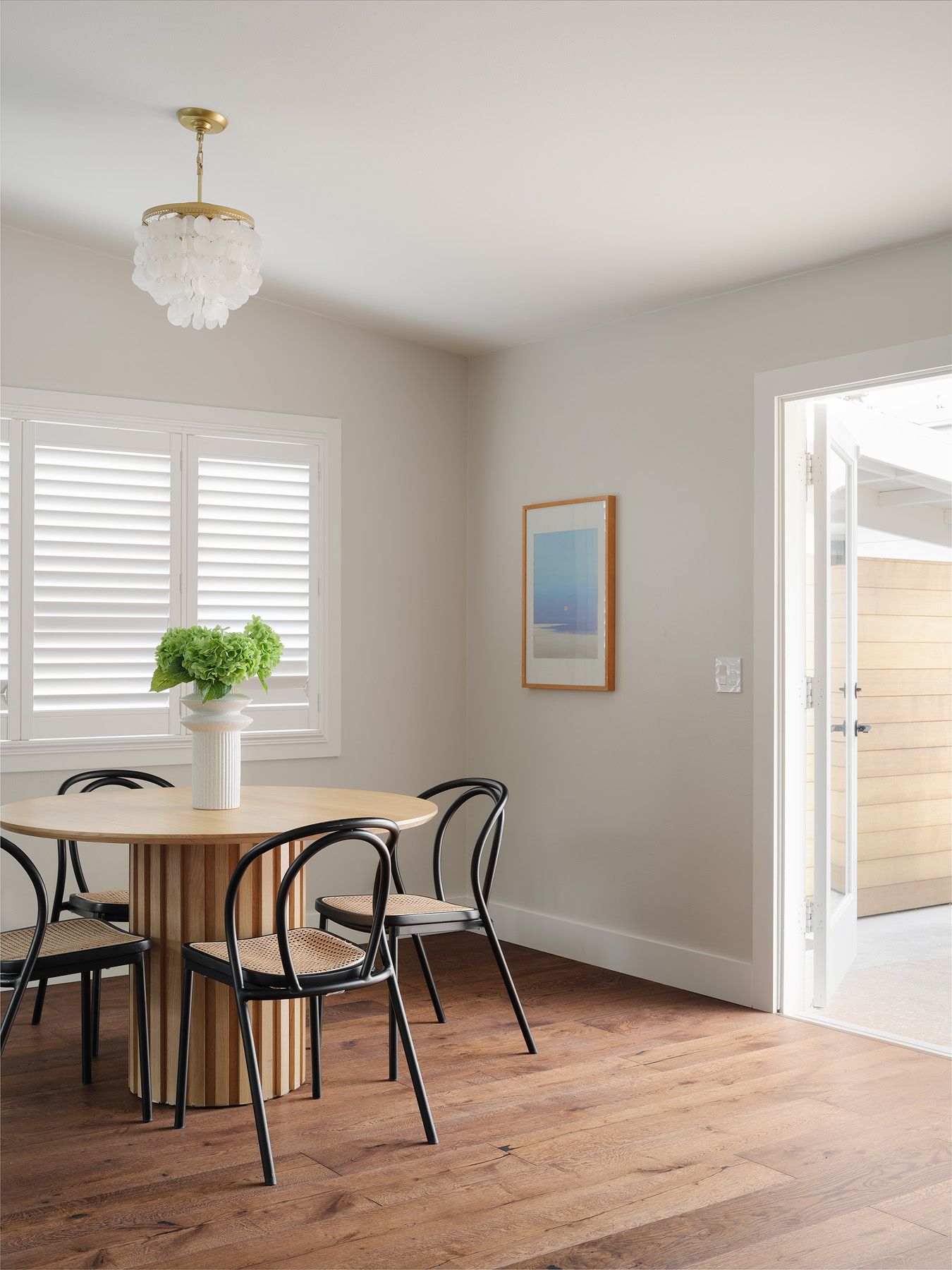
May data from Redfin shows why June sellers need to finish the work before going live. For the three months ending in May 2026, San Jose homes sold in a median 13 days, with an all-home median sale price of $1,469,121, down 1.4% year over year. Palo Alto’s all-home median was $3,597,847, up 1.3% year over year, with a median 12 days on market. Fremont homes sold in 14 days and Oakland homes in 17 days.
Those are fast windows. You do not have much time to explain away scuffed baseboards, a dim guest room, a bare dining area, or a bedroom that photographs like a storage corner. The first week is when saved searches fire, agent texts go out, and buyers stand in the doorway with their phones still in hand from the listing photos.
This is where home staging for sellers does real work. It clarifies room function before the buyer has to think too hard. A desk under a window shows a work-from-home option. A narrow console turns an awkward entry into a landing zone. A round dining table softens a tight kitchen-adjacent space. Warm 2700K lamp light can make an evening showing feel calmer than overhead cans alone.
For examples of how scale, texture, and layout read in listing photography, sellers can browse Mia’s Home Staging’s recent work on the /portfolio page. Look at the rooms from the doorway angle, not only the close-up detail shots. Buyers usually experience a home in motion, one threshold at a time.
Mortgage Rates Make Hesitation More Expensive
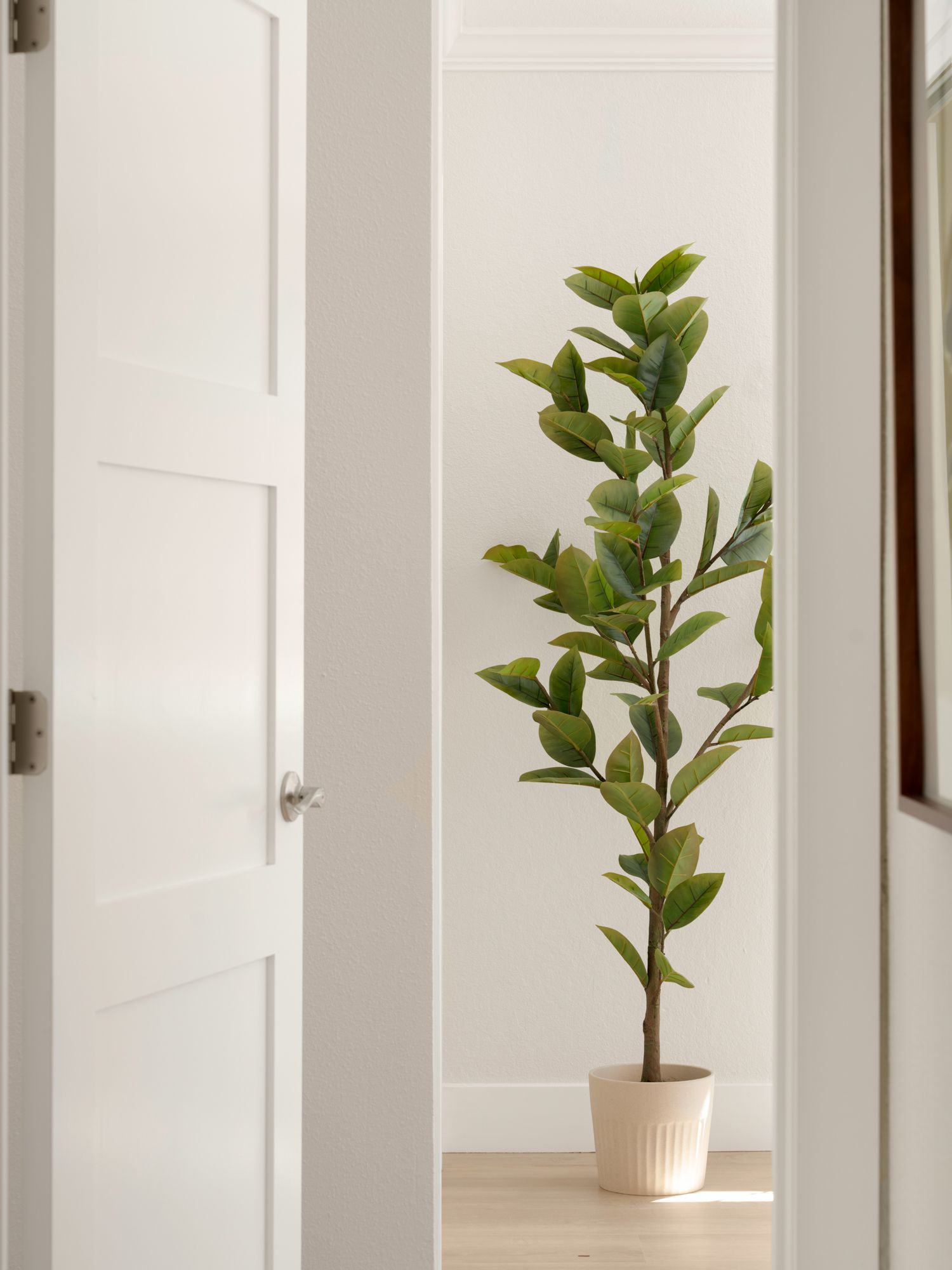
Freddie Mac’s Primary Mortgage Market Survey reported an average 30-year fixed mortgage rate of 6.52% on June 11, 2026, with the 15-year fixed at 5.84%. That rate environment changes how buyers walk through homes. They still want the right property, but they feel the monthly payment in their shoulders. They notice old carpet. They notice a dark hallway. They notice the smell of a closed-up room.
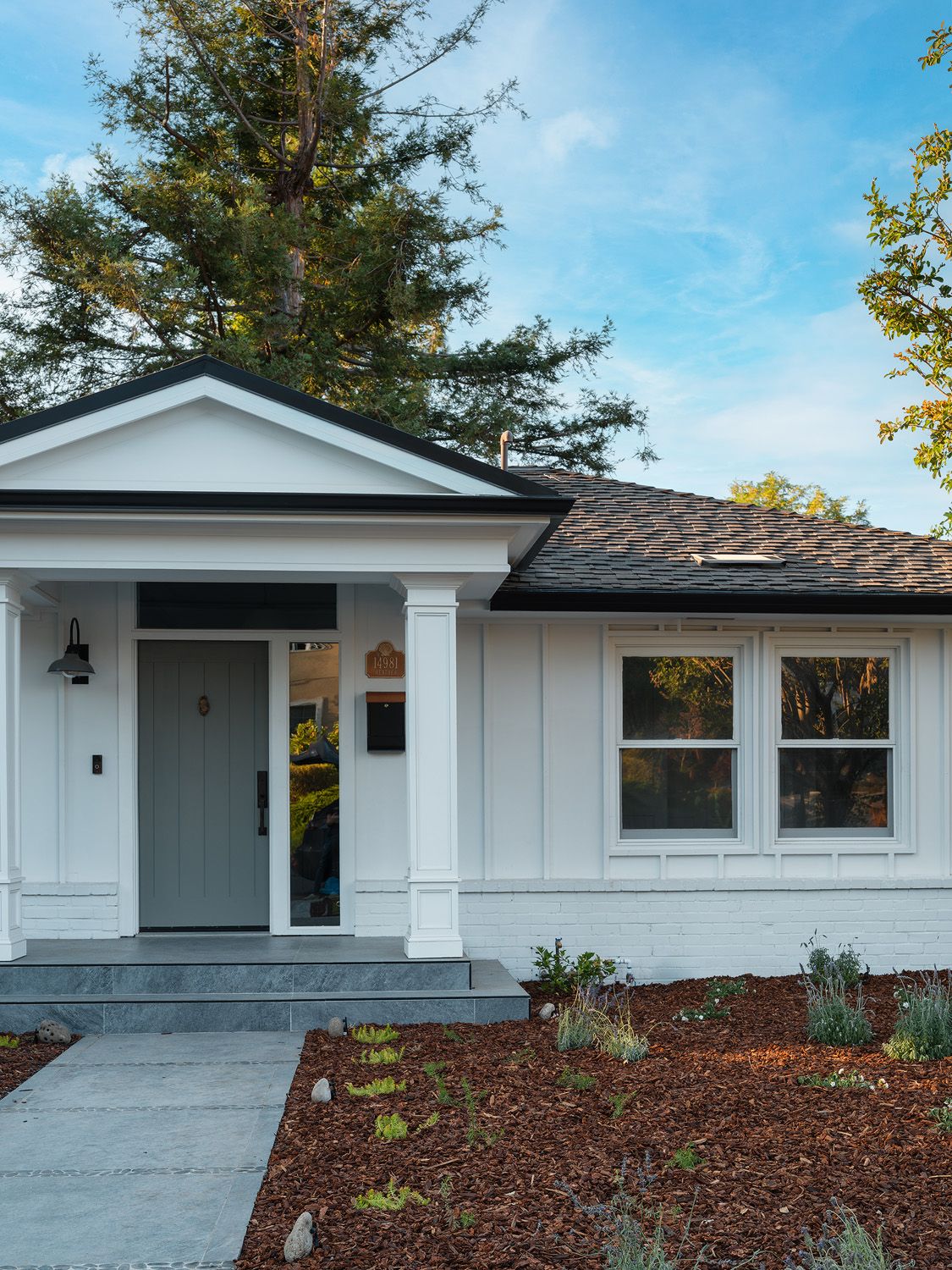
When affordability feels tight, buyers look for reasons to pause. A home that feels move-in ready gives them fewer reasons to renegotiate emotionally before they even write an offer. Paint should look clean. Lighting should feel consistent from room to room. Landscaping should not whisper that Saturday will be spent hauling green waste. The goal is not to hide flaws; the goal is to reduce unnecessary doubt.
This is especially important in flexible spaces. Bay Area buyers often need rooms to work harder: office by day, guest room when family visits, playroom when school is out. Staging can show that without overexplaining. A slim desk, a tailored sleeper sofa, a woven shade, and one quiet piece of art can make a small room feel useful instead of leftover.
A move-in ready feeling helps buyers justify a high Bay Area price in a high-rate environment.
Relistings Are a Pricing Warning, Not a Strategy

Redfin reported on June 3, 2026, that 5.8% of U.S. listings were delisted in April, tied for the highest share since March 2020. Redfin also noted that relistings are most prevalent in the Bay Area as sellers test pricing in a hot local market. That is the part June sellers should take seriously.
Testing the market sounds harmless until your listing gets stale. Buyers notice when a home disappears and comes back. Agents remember the old price. The online history leaves a paper trail, even if the rooms look better the second time. A relaunch can work, but it is cleaner to launch with the right price band, the right condition, and photographs that make buyers want to schedule quickly.
A strong summer listing strategy Bay Area sellers can use starts with three questions. First, what did comparable homes actually sell for, not just list for? Second, what did they look like on day one? Third, where will buyers hesitate in our home, and can we fix that before the photographer arrives? The answers usually point to practical work: paint the darker bedroom, remove bulky furniture, replace tired bulbs, steam the curtains, stage the dining area, and clean the patio until it smells like fresh wood and leaves instead of storage dust.
Investor and AI-Wealth Buyers Raise the Presentation Bar
The buyer pool is not only families trying to time summer schedules. Redfin reported on May 28, 2026, that investor purchases fell nationally but rose most in Bay Area markets, up 19% year over year in San Francisco and 12% year over year in San Jose in the first quarter of 2026. Recent coverage from The Guardian and Realtor.com also points to AI wealth as a major force in parts of the region, especially at higher price points.
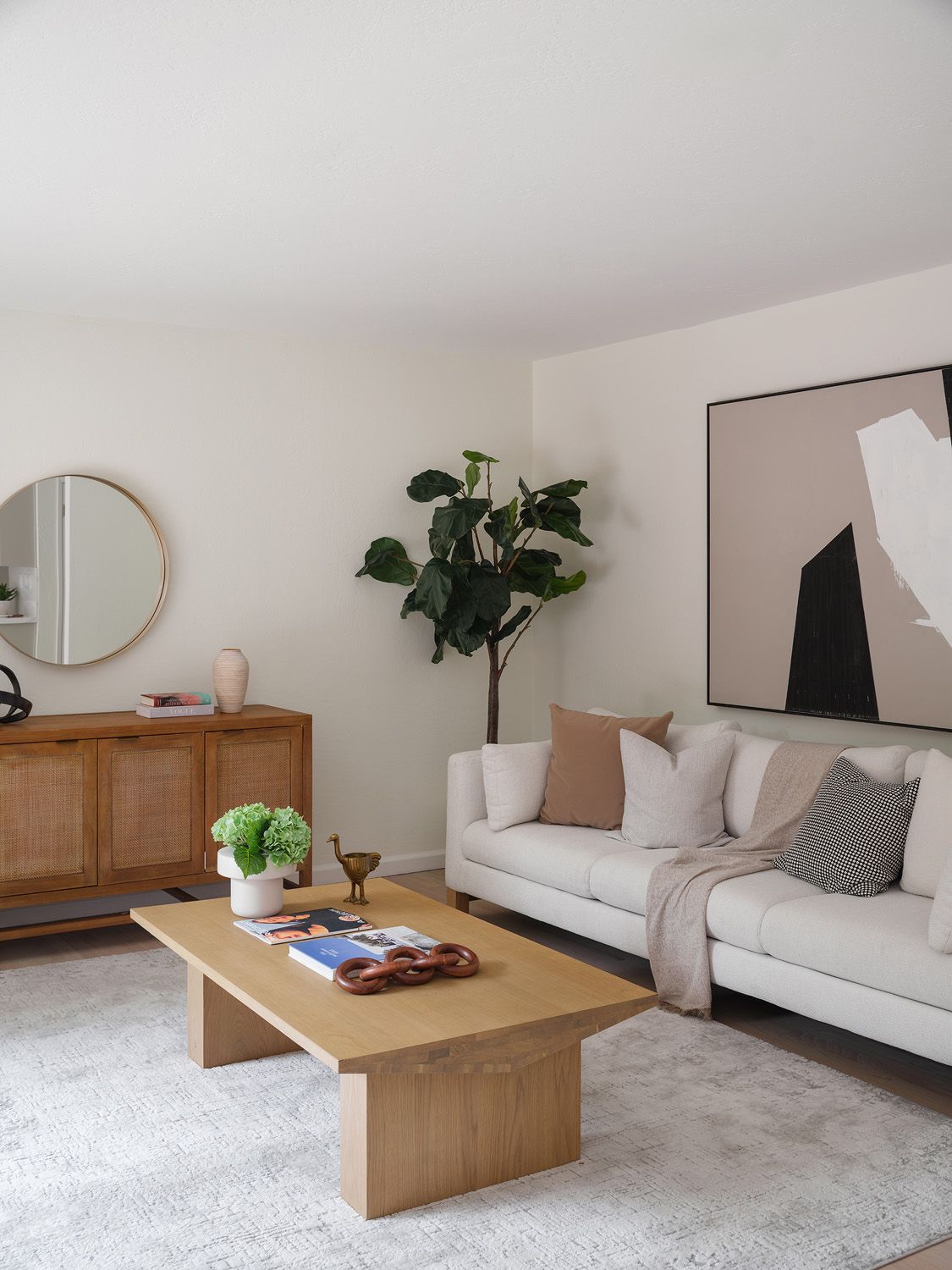
That does not mean every home should be staged like a glossy hotel suite. In fact, overdone staging can make a home feel less credible. The better approach is editorial restraint: clean sightlines, quality textures, and enough furniture to show scale without crowding the floor plan. A linen sofa, a wool rug with real texture, a walnut credenza, and quiet art often say more than a room filled with shiny objects.
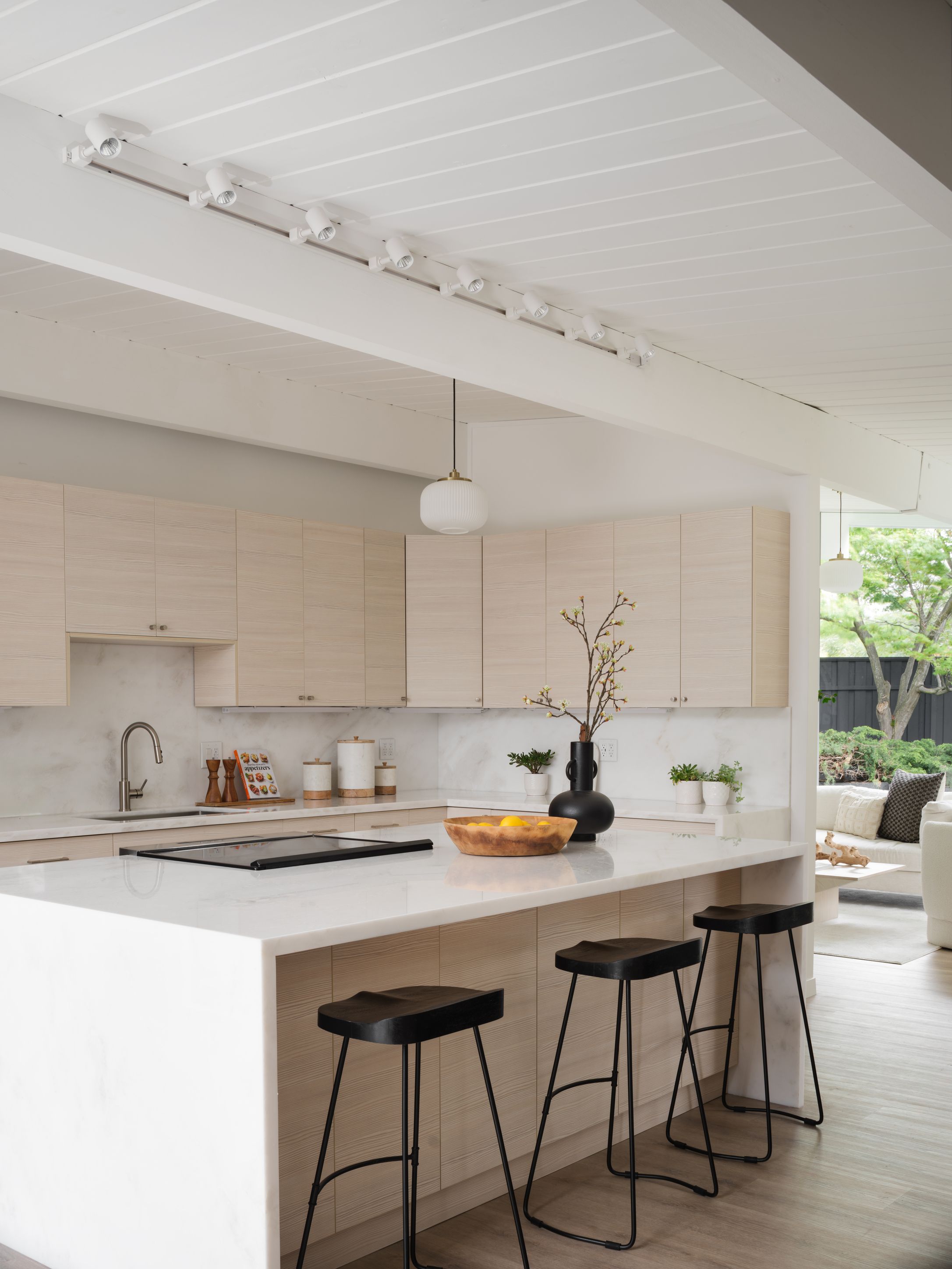
Investor buyers and high-income tech buyers both move quickly when the numbers and the condition line up. They may read the inspection report carefully, but they still respond to how the property feels in person. If a living room has good volume, let the air show. If a primary bedroom gets soft morning light, do not block it with heavy drapery. If the kitchen is older but clean, style it with simple wood boards, clear counters, and a small green branch rather than pretending it is new construction.
A Practical June Launch Checklist for Sellers
Start with pricing. Ask your agent to separate comps by neighborhood, property type, condition, and date. San Francisco’s May Redfin data showed an all-home median sale price of $1,698,983, up 16.1% year over year, with a 114.9% sale-to-list price ratio and 70.3% of homes selling above list. Fremont, by contrast, had an all-home median of $1,564,064, down 2.2% year over year, even while Redfin classified it as very competitive. Competitive does not always mean prices are rising in a straight line.
Next, prepare the physical experience. Walk the home at the same time of day as likely showings. Listen for hollow rooms, squeaky doors, loud appliances, and street noise near open windows. Look at the corners where dust gathers. Smell the closet after the door has been closed overnight. Buyers register these things, even when they do not say them out loud.
Then stage for the camera and the walkthrough. Online, rooms need clean geometry: visible floor edges, clear traffic paths, balanced windows, and furniture scaled to the room. In person, buyers need comfort cues: a reading lamp by a chair, a dining table that fits without pinching, a bed with crisp layers, and a patio chair that makes five square feet feel intentional.
Finally, align your timeline. Staging, paint touch-ups, window cleaning, landscaping, photography, and listing copy should happen before the home goes live, not while buyers are already clicking. Mia’s Home Staging offers physical staging and consulting through our /services page for sellers who need either full-home preparation or a focused pre-list plan.
What June Sellers Should Do Next
The June market gives prepared sellers a real opening. Beacon Economics’ Contra Costa County Mid-Year Update, using Redfin data, showed tight months of supply across core Bay Area counties in April 2026: San Francisco at 2.1 months, San Mateo at 1.6, Santa Clara at 1.7, Alameda at 2.3, and Contra Costa at 2.4. Tight supply helps, but it does not excuse weak presentation.
Think of June as a pricing-and-presentation checkpoint. If your local comps support the number, your home still has to earn it in the buyer’s eye. That means no vague rooms, no tired lighting, no online photos that make the floor plan feel smaller than it is. Give buyers a home that feels calm, clean, and ready for the next chapter.
The sellers who do well in the Bay Area summer real estate market will not be the ones who simply heard the market was active. They will be the ones who treat launch week with discipline. Price locally. Prepare fully. Stage to remove hesitation before it starts.
Frequently Asked Questions
- Is June 2026 too late to list a Bay Area home?
- Yes, June can still be a strong month to list if the home launches fully prepared. Recent 2026 data shows fast median sale times in several Bay Area cities, but sellers should price by neighborhood and condition rather than relying on broad regional headlines.
- How should I price my Bay Area home for a summer listing?
- Use hyperlocal comparable sales and current buyer behavior. C.A.R. reported the Bay Area single-family median at $1,400,000 in April 2026, but county and city trends varied widely. Your agent should compare similar homes by location, condition, property type, and recent sale date.
- Why does staging matter more for a June listing?
- Staging helps buyers understand scale, room function, and move-in readiness. In a market where many homes sell within roughly two weeks in key cities, the first online impression and first showing matter. Staging should be complete before photography and launch.
- What should I fix before listing my home this summer?
- Focus on visible, high-friction items: fresh paint where needed, consistent warm lighting, clean windows, tidy landscaping, clear room layouts, and simple styling. Buyers under mortgage-rate pressure often react strongly to anything that suggests extra work after closing.


