Bay Area Summer Real Estate Market: July Staging
How to use staging to earn buyer attention when inventory is tight, rates still matter, and photos decide the first showing list.

Bay Area Summer Real Estate Market: July Staging
How to use staging to earn buyer attention when inventory is tight, rates still matter, and photos decide the first showing list.
July Buyers Are Moving Fast, But Not Blindly
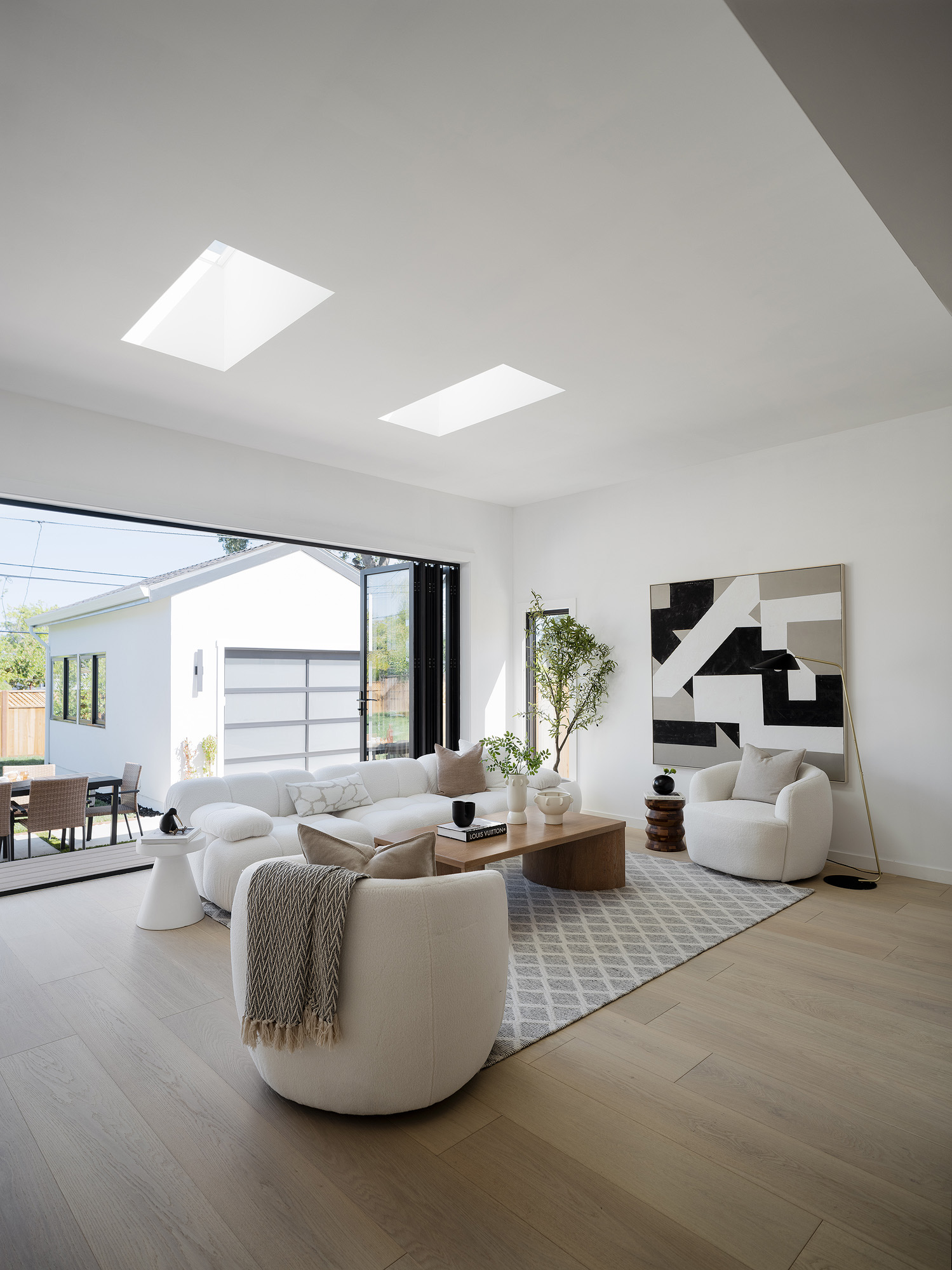
A July listing in the Bay Area summer real estate market has a narrow window to feel fresh. The porch light is bright at 6 p.m., the listing photos are sitting beside twenty open browser tabs, and the buyer is doing math before they ever step into your hallway.
That is the tension sellers need to understand this month. The market still favors well-prepared homes in many Bay Area neighborhoods, but buyers are not careless. They compare finishes, floor plans, light, storage, commute, school boundaries, and monthly payment with sharper eyes than they did when rates were lower.
According to the California Association of REALTORS May 2026 report, the San Francisco Bay Area single-family median price reached $1,450,000 in May, up 3.6% from April and 3.6% year over year. Bay Area sales also rose 5.5% year over year. Supply stayed tight at a 2.3-month Unsold Inventory Index, and the median time on market was 16 days.
Those numbers sound strong. They are. But here is the point: a seller’s market does not excuse a weak first impression. In July, staging is less about decoration and more about removing hesitation before a buyer decides whether your home deserves a showing.
A seller’s market does not excuse a weak first impression.
The Mortgage Rate Reality: Buyers Feel Every Flaw
Freddie Mac reported the average 30-year fixed mortgage rate at 6.43% on July 2, 2026, down slightly from the prior week and below the year before. That helps a little. It does not make buyers relaxed.
At today’s price points, even affluent buyers notice carrying costs. A scuffed baseboard, dim hallway, sticky cabinet pull, or bedroom that photographs smaller than it feels can turn into a pricing objection. The room may smell faintly of fresh paint, the floors may catch the morning light nicely, but the buyer is still asking: What will I need to fix after closing?
This is where Bay Area home staging earns its role. Staging, in plain terms, means setting up vacant or lived-in rooms so buyers can understand how the home works. Good staging clarifies scale, creates room purpose, improves photography, and gives buyers fewer reasons to pause.
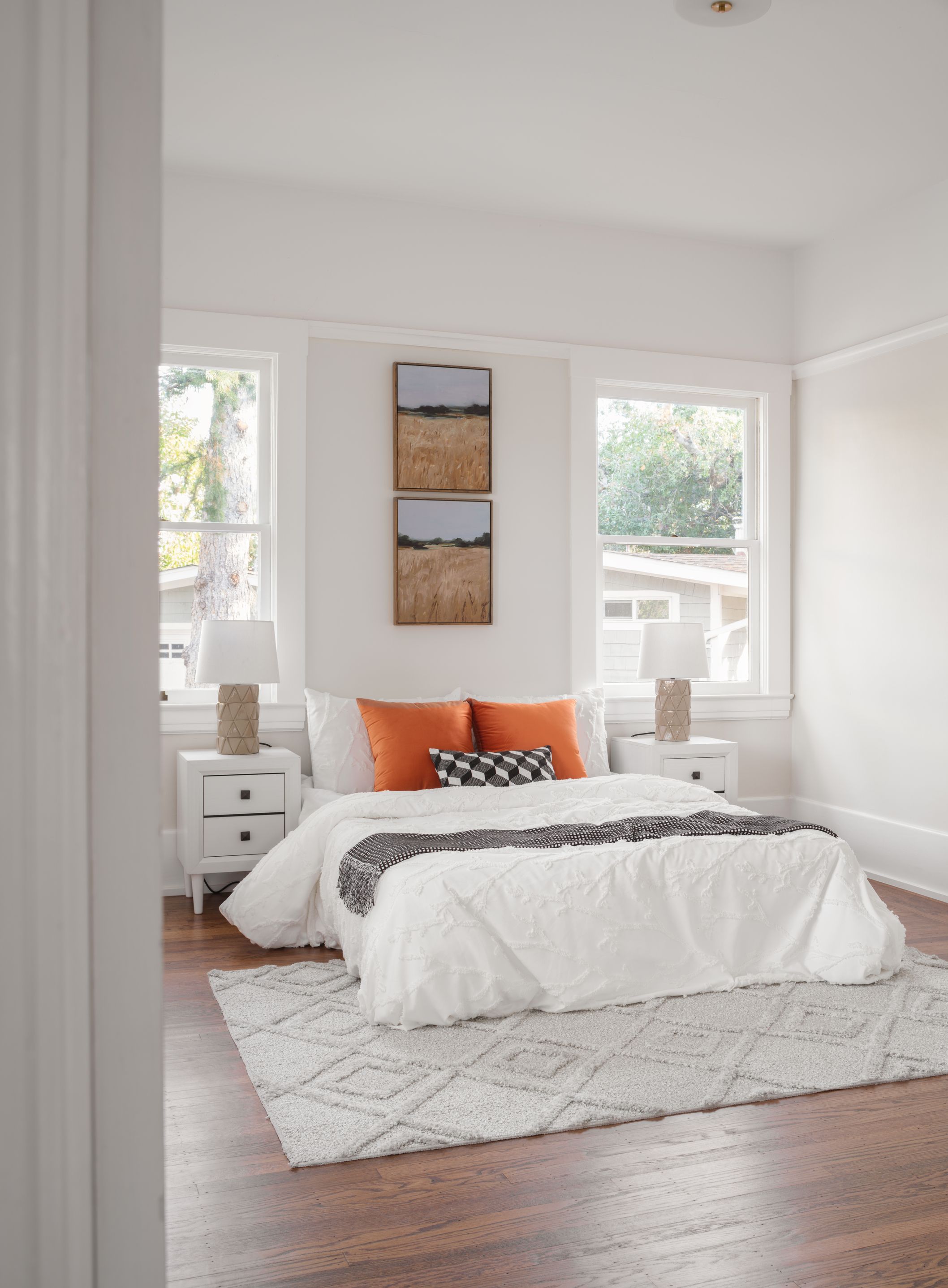
The seller’s advantage in July is not louder design. It is cleaner decision-making. Crisp white bedding in the primary bedroom. A 2700K warm lamp in the reading corner. A dining table sized to prove that six chairs fit without blocking the patio door. These details answer questions before the buyer speaks.
Micro-Markets Matter More Than the Bay Area Headline
The Bay Area is not one market. It is a set of micro-markets with different buyer psychology, and your staging should respond to the specific street, price band, and home type.
C.A.R. and NBC Bay Area reported that San Francisco County’s single-family median price was $2,200,000 in May 2026, up 22.2% year over year. San Mateo County reached $2,401,000, up 9.1% year over year. Santa Clara County was $2,100,100, down 3.3% year over year. Inventory also differed: San Francisco County had 1.1 months, while Santa Clara and San Mateo each had 1.9 months.
Redfin’s May city data shows the same split. San Francisco’s median sale price was $1,698,983, up 16.1% year over year, with homes selling in a median 14 days. Palo Alto’s median sale price was $3,597,847, up 1.3%, but homes took 12 median days, slower than last year, and 17.6% of listings had price drops. Fremont had a $1,564,064 median, down 2.2%, with price drops affecting 25.4% of listings.
So the staging brief should change. In San Francisco, polished and move-in-ready presentation can support urgency. In Fremont or Palo Alto pockets where price drops are more visible, staging should emphasize value: usable square footage, storage, low-maintenance surfaces, work-from-home comfort, and a backyard that feels ready for dinner at 7 p.m., when the air cools and the string lights start to matter.
Online Photos Decide Who Gets Through the Door
Most July buyers meet your home first on a phone screen. They are not standing in the living room yet. They are sitting in a parked car, scrolling after work, with the street noise in the background and a mortgage calculator open in another tab.
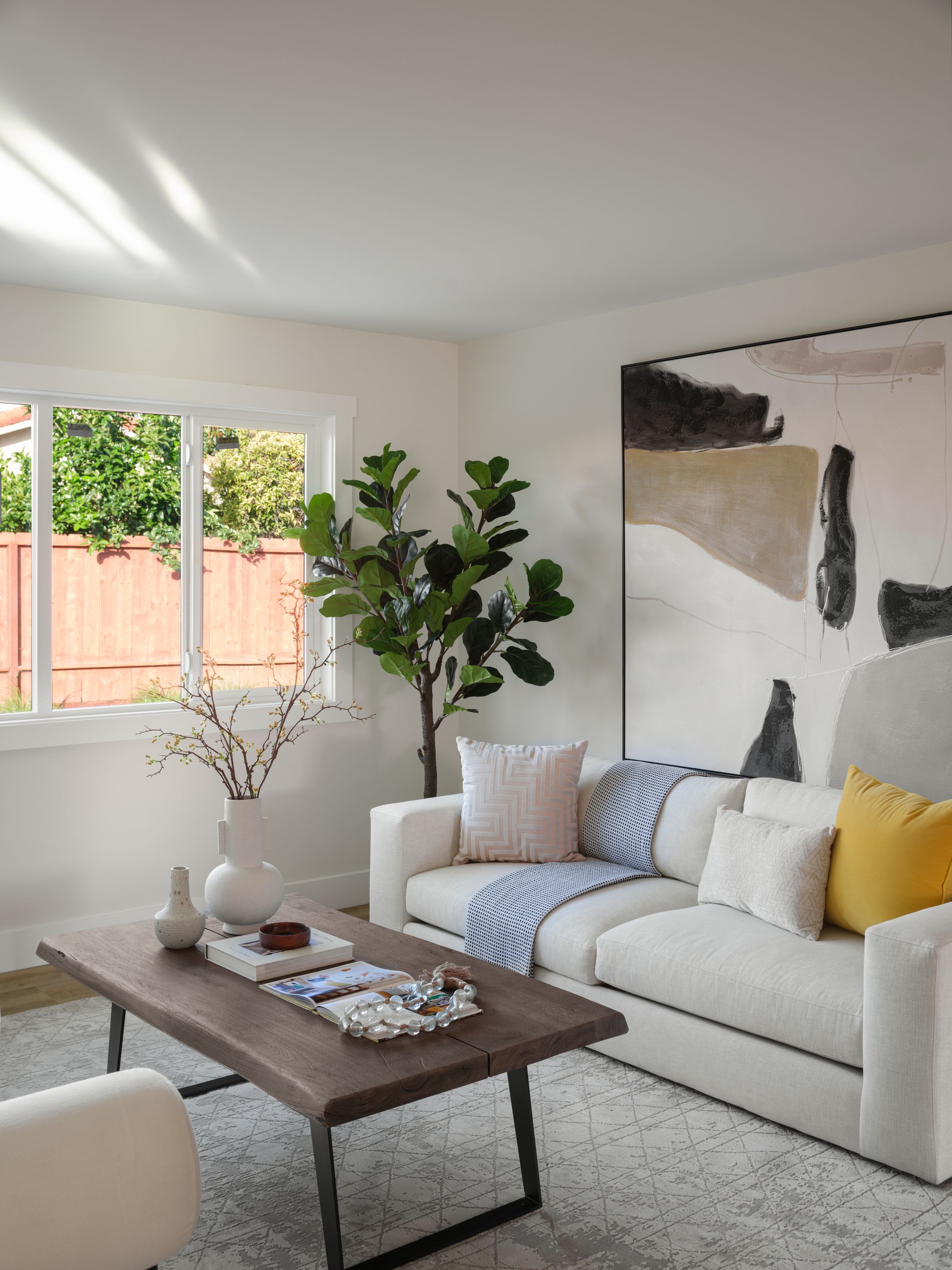
That means staging has to read clearly at thumbnail size. A beige sofa against a beige wall under cool overhead light can collapse into a flat square. A room with layered contrast does better: linen against wood, black metal against white plaster, a ceramic vase with leafy branches beside a low table, sunlight crossing the floor at an angle.
Before photography, we look for the camera’s path. What does the buyer see from the front door? Does the kitchen island have enough breathing room? Are the windows clean enough to show the garden instead of dusty glass? If there is a view, even a simple line of trees beyond the fence, the staging should aim the eye toward it.
For sellers who want a visual reference, the best next step is to browse a staging portfolio and study the first photo of each project. On Mia’s Home Staging’s /portfolio page, notice how a clear focal point, balanced furniture scale, and warm lighting make rooms feel understandable before anyone reads the listing description.
Stage for Selective Buyers, Not Generic Buyers
Selective buyers do not need every room to look expensive. They need every room to feel intentional. That distinction matters.
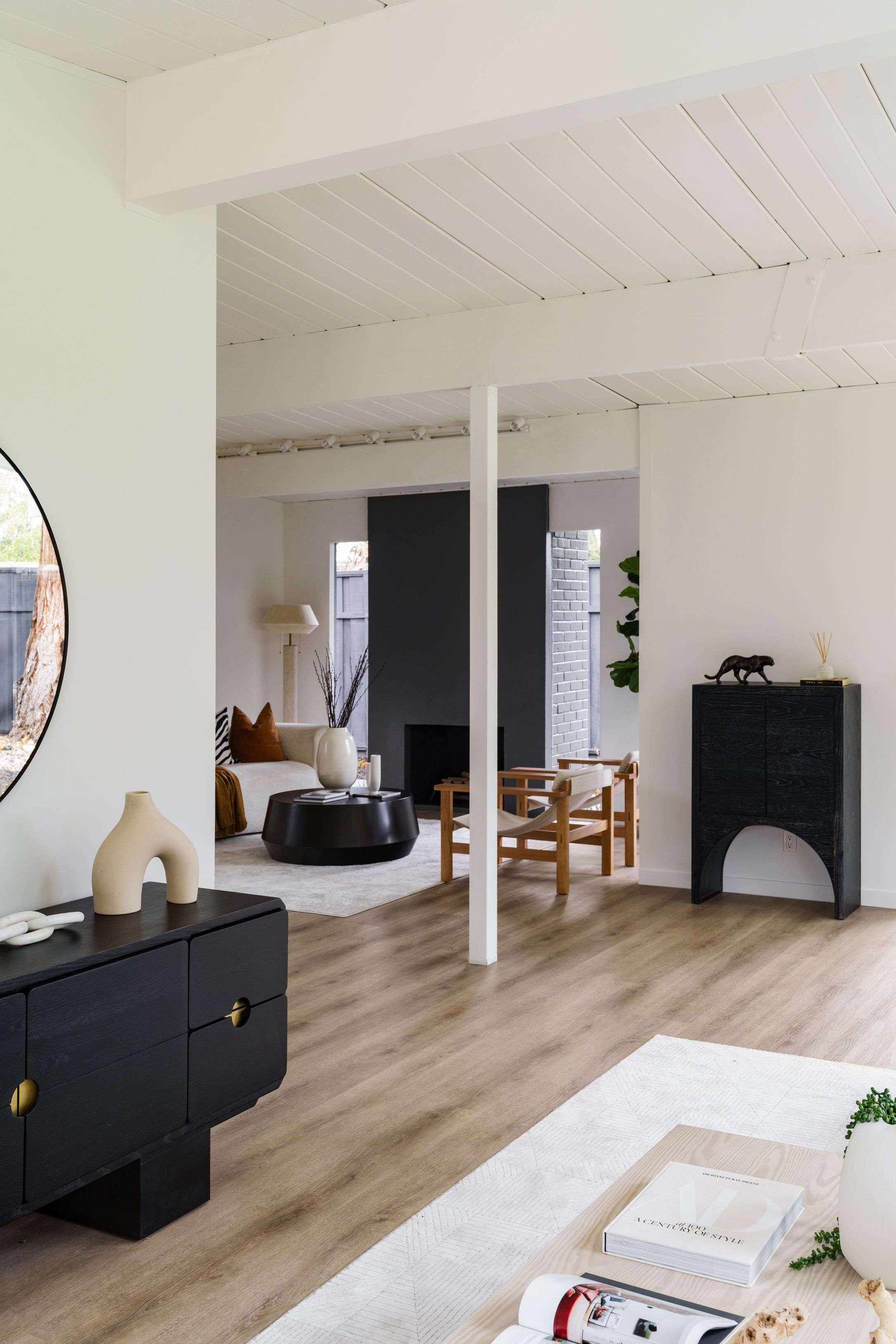
A living room should show conversation distance, not just a sofa pushed to the longest wall. A bedroom should let the buyer sense quiet: soft lamps, smooth bedding, a rug that absorbs footstep sound, nightstands scaled to the bed. A home office should have a real chair, a work surface, and enough negative space around it so the buyer can picture daily use without feeling boxed in.
For higher-priced homes, especially in neighborhoods touched by tech and AI wealth, buyers often bring strong design literacy. They notice thin rugs, undersized art, fake plants with plastic shine, and furniture that belongs in a smaller apartment. They also notice restraint. A walnut console, a single linen shade, and a matte black reading lamp can do more than a crowded room full of accessories.
This is one of Mia Wang’s core staging opinions: restraint sells better than overstyling in the Bay Area. Buyers here tend to value light, function, material quality, and calm. A room should not feel like a showroom trying too hard. It should feel like the home has already solved the hard parts.
Restraint sells better than overstyling in the Bay Area.
Room-by-Room Moves That Help in July
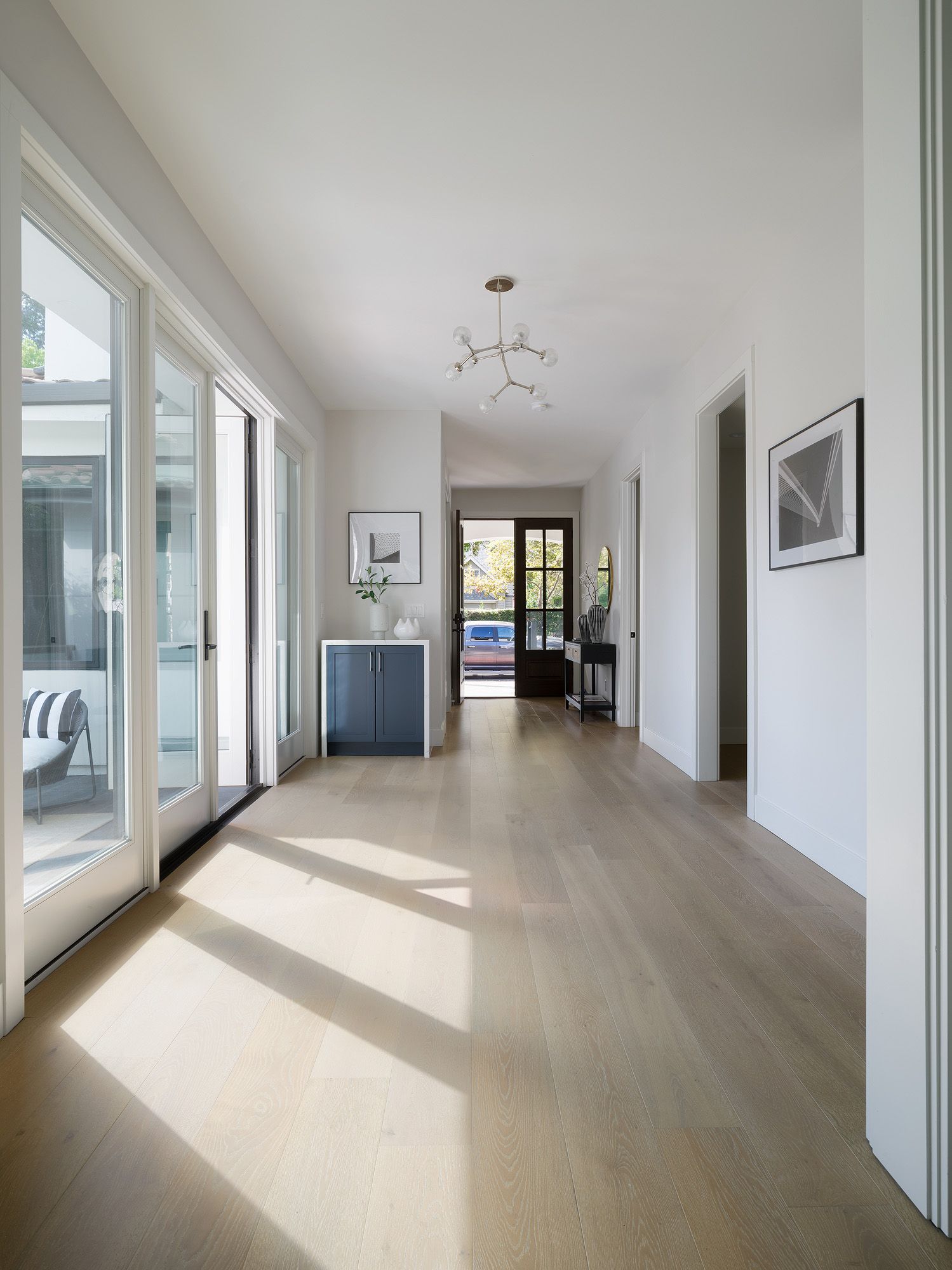
Start at the entry. July light can be harsh in the afternoon, so the entry needs softness: a clean mat, a narrow console, a mirror that catches light without reflecting clutter, and a place where keys would naturally land. The first ten feet should feel easy.
In the living room, scale the furniture to prove usable space. If the room is compact, choose a tighter sofa profile and leggy chairs so more floor shows. If the room is large, avoid tiny floating pieces that make the home feel unfinished. Use a rug big enough to anchor the seating area; texture helps photos feel warmer.
In the kitchen, remove almost everything. Keep surfaces clean, hardware wiped, and lighting consistent. A small wood board, a ceramic bowl, or one vase is enough. Buyers already understand a kitchen. What they need to see is condition, counter space, and how the room connects to the rest of the home.
In bedrooms, prioritize calm. Ironed bedding, warm lamps, closed closet doors, and nightstands with breathing room create a quieter impression. For secondary bedrooms, decide what each room is: guest room, child’s room, office, or gym. Mixed-purpose rooms create doubt.
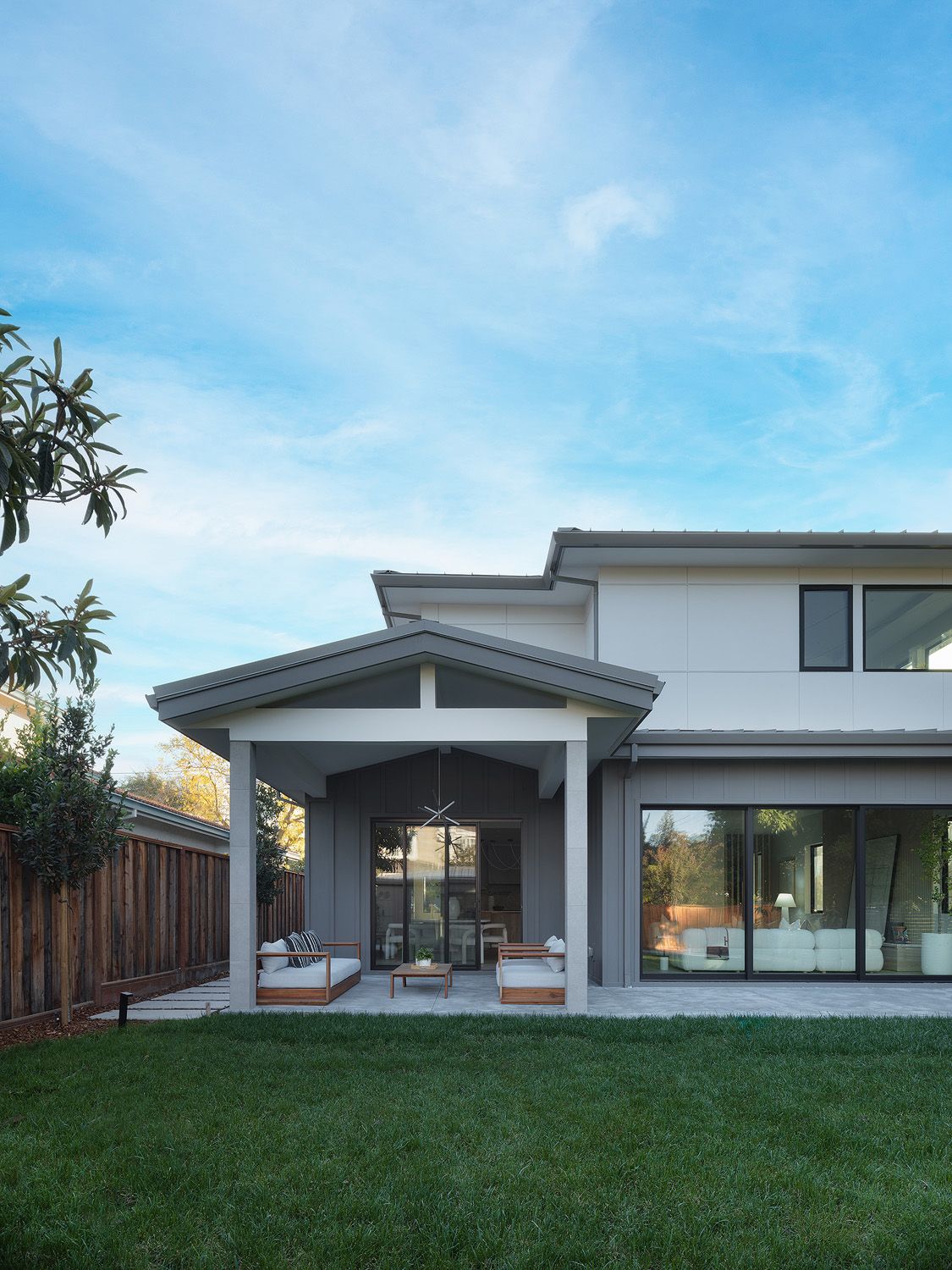
For outdoor areas, stage the season. July sellers should show shaded seating, dining potential, and low-effort maintenance. A small patio with two chairs, a woven outdoor rug, and clean glass doors can carry more emotional weight than an empty yard with dry leaves in the corners.
What Not to Do When Selling a House in July
Do not assume speed will hide condition. If buyers see peeling paint in listing photos, they will not imagine a charming weekend project. They will imagine contractors, delay, and more money leaving their account.
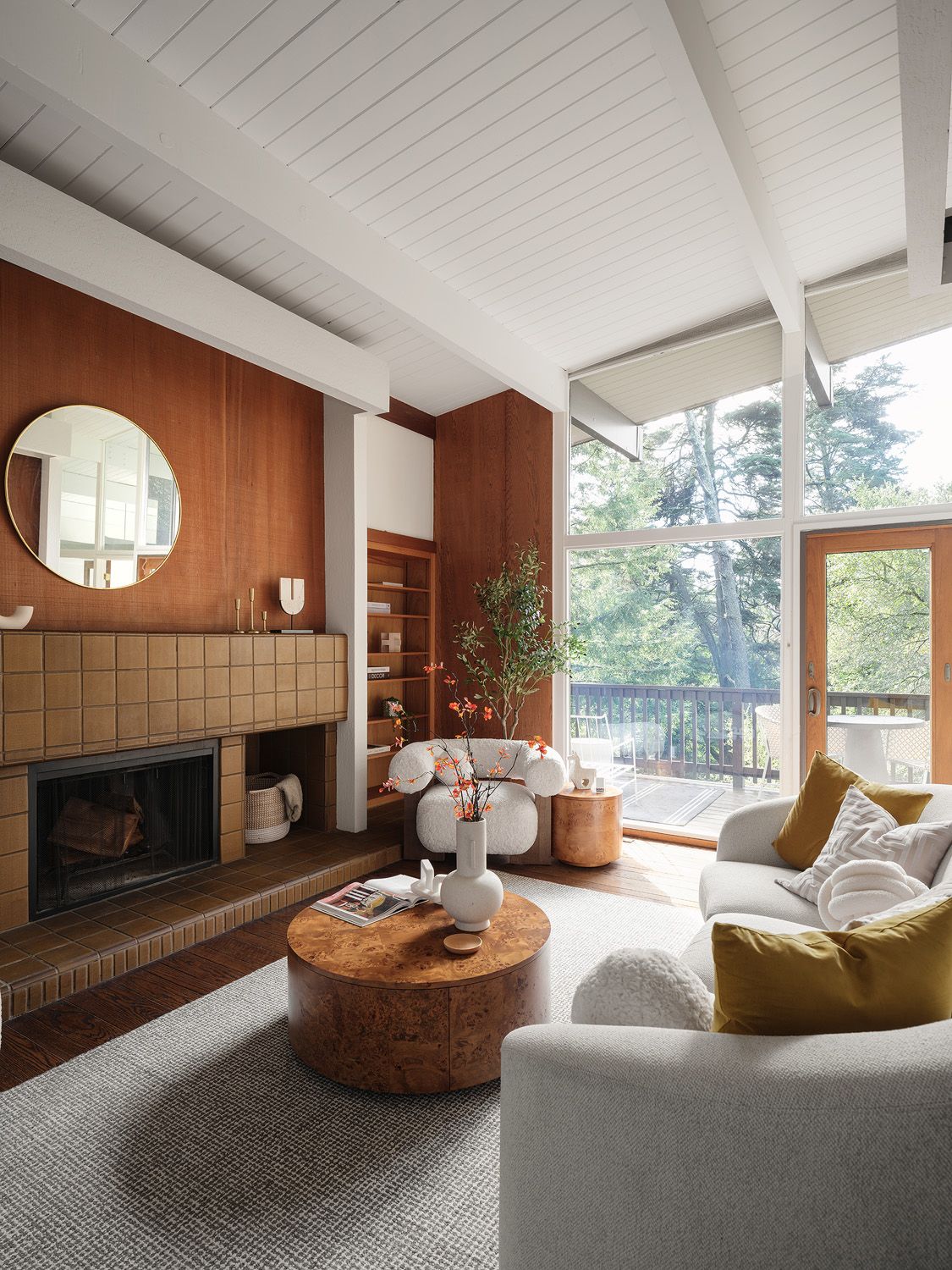
Do not use furniture that fights the architecture. A narrow Craftsman living room needs different staging than a glassy condo or a hillside home with open views. Heavy furniture can make a small room feel airless; tiny furniture can make a large room feel unresolved. The buyer should feel spatial confidence, not confusion.
Do not ignore scent and temperature. Summer showings can expose stale air, pet odor, garage smell, or a warm upstairs hallway. Open the house early when appropriate, manage airflow, and keep scents neutral. Clean air beats perfume.
Do not overdecorate for summer. Bowls of lemons, beach prints, and bright seasonal props can read as noise in a Bay Area listing. Keep the palette grounded: warm whites, muted greens, clay, oak, walnut, charcoal, and linen. Let sunlight do the seasonal work.
And do not wait until photos are scheduled to ask for staging advice. The best summer real estate market tips start before the listing calendar gets tight: paint decisions, fixture swaps, window cleaning, landscaping, and furniture planning all affect how the final photos land.
The July Seller’s Advantage Is Preparation
The current market gives prepared sellers a real opportunity. Low inventory still supports competition in many places. Redfin’s May 2026 data showed San Francisco with a 114.9% sale-to-list ratio and 70.3% of homes selling above list. Oakland, with a $884,471 median sale price, was rated very competitive, with many homes receiving multiple offers.
But the split market matters. San Jose’s median sale price was $1,469,121, down 1.4% year over year, and Redfin called it somewhat competitive. Fremont and Palo Alto both showed more visible price-drop pressure than some sellers may expect. That mix is exactly why presentation matters in July.
Staging cannot change a home’s location, lot size, or interest rates. It can change how quickly buyers understand the value in front of them. It can make the living room feel wider, the bedroom feel quieter, the office feel usable, and the yard feel like part of the square footage.
If you are selling a house in July, treat staging as part of pricing strategy, not as a last layer of decor. Walk the home with your agent and staging team before photos. Decide which objections need to disappear first. Then build a plan around light, scale, surface condition, and buyer expectations in your micro-market.
That is the July edge: not louder marketing, but a home that makes sense the moment it appears on screen.
Frequently Asked Questions
- Is July a good time to sell a house in the Bay Area?
- July can be a strong month to sell in the Bay Area when the home is priced and presented well. May 2026 data from C.A.R. showed tight Bay Area supply and a 16-day median time on market, but local results vary by city and price band.
- Why does staging matter if inventory is still tight?
- Staging helps buyers understand scale, room purpose, light, and livability. In a selective market, it also reduces small objections that can lead buyers to skip a showing or wait for a price reduction.
- What should sellers prioritize before listing in July?
- Focus on clean surfaces, fresh paint where needed, warm consistent lighting, clear room purpose, scaled furniture, and outdoor areas that feel usable in summer. These updates tend to improve how the home reads online and in person.
- Should I stage a vacant home or just leave it empty?
- Vacant homes often benefit from physical staging because empty rooms can look smaller and colder in photos. Occupied homes may need consulting, editing, furniture rearrangement, and targeted accessory updates instead of a full staging installation.
- Do I need full-service staging for every room?
- Not necessarily. In homes where existing furniture fits the architecture and target buyer, a staging consultation may be enough. For vacant homes or homes with mismatched scale, rented furniture can clarify value quickly.


