Mia’s Home Staging: A Bay Area Home Staging Story
How Mia Wang built a staging approach around restraint, designer judgment, and the way buyers really read a room.

Mia’s Home Staging: A Bay Area Home Staging Story
How Mia Wang built a staging approach around restraint, designer judgment, and the way buyers really read a room.
A brand story that starts at the doorway
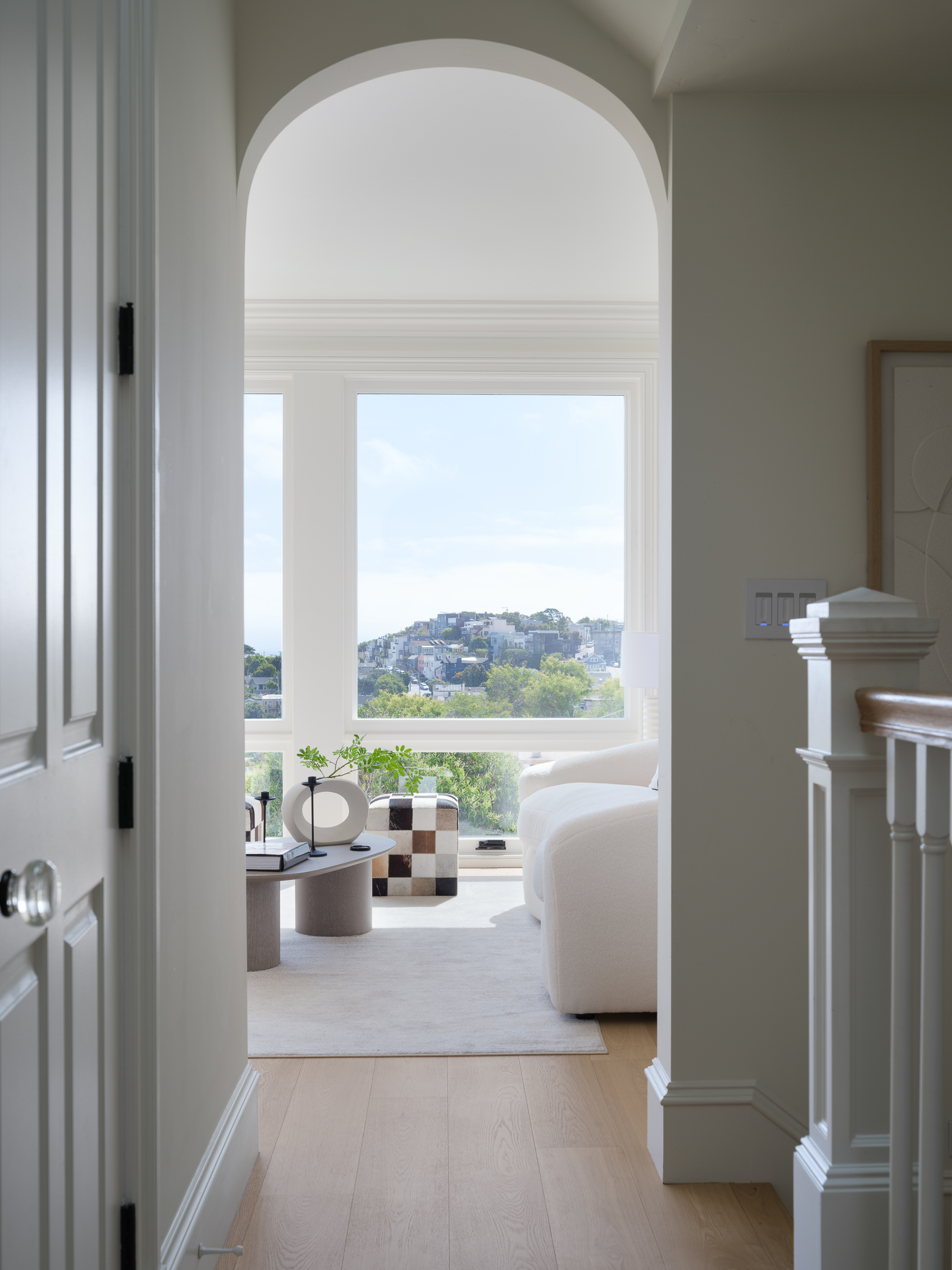
A buyer usually decides how a home feels before they can explain why. They step through the front door, hear the small echo of an empty room, notice the rectangle of afternoon light on the floor, and either lean in or start mentally moving on. Mia’s Home Staging was built for that moment. As a Bay Area home staging company, we work in the narrow space between a seller’s practical goal and a buyer’s first emotional read of the property.
We do not treat staging as decoration after the real work is done. For a seller, staging is part of the selling strategy. It helps vacant rooms feel sized, lived-in, and easy to understand. It helps occupied homes calm down before photography. It gives buyers a way to stand in the living room, look toward the kitchen, and understand the scale without guessing.
Mia Wang founded Mia’s Home Staging with a simple point of view: a home for sale should feel considered, not crowded. That sounds quiet, but it changes every choice. The sofa depth. The lamp height. The amount of art on a wall. The number of chairs around a dining table. We edit so the house can speak first.
A home for sale should feel considered, not crowded.
What we mean when we say home staging
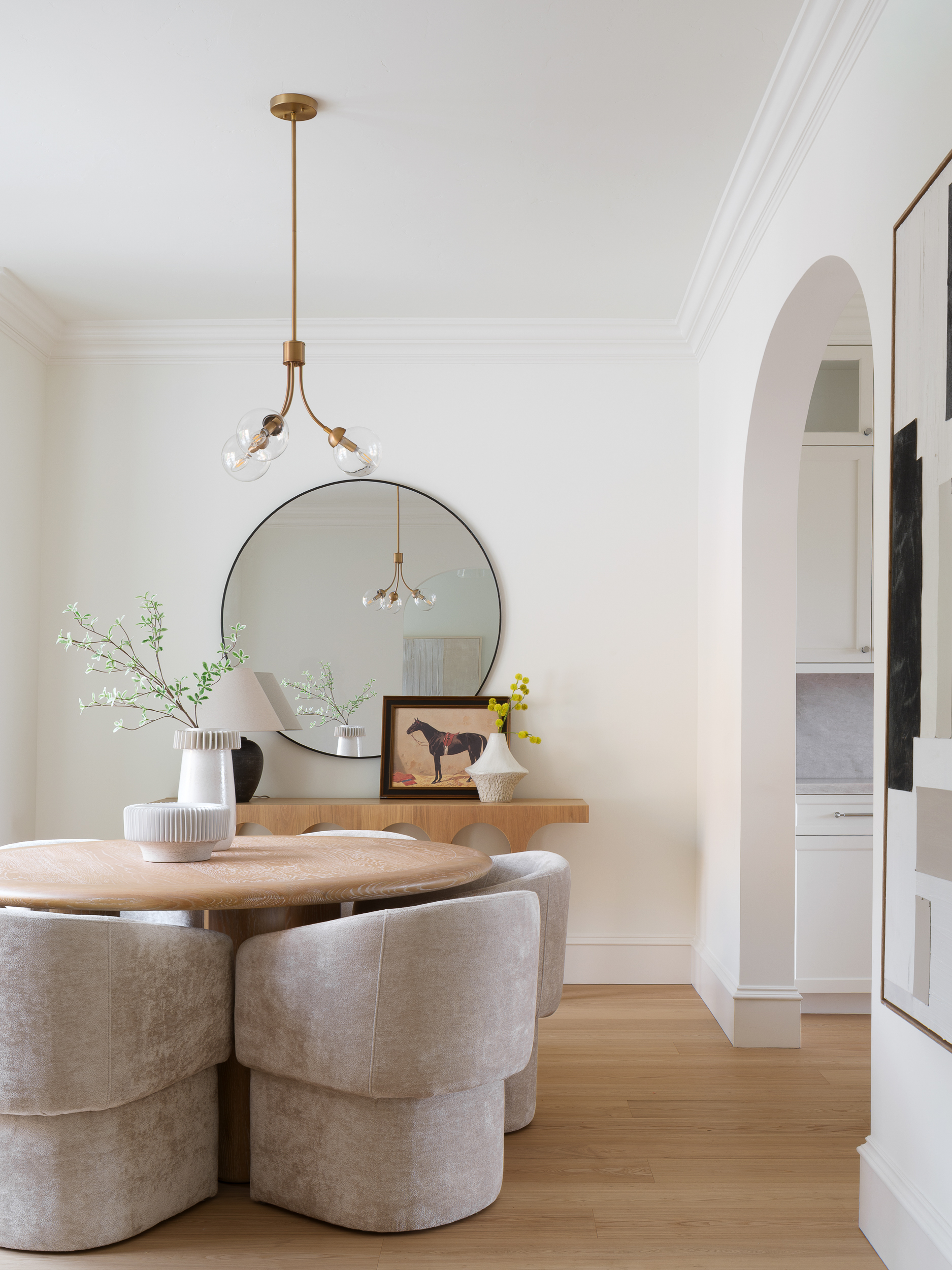
Home staging means setting up rooms with furniture, art, lighting, rugs, and small objects so buyers can understand how the home lives. In a vacant home, that may mean bringing in a full living room, dining area, bedrooms, and outdoor pieces. In an occupied home, it may mean consulting: choosing what stays, what gets packed, where to simplify, and how to prepare for photos and showings.
The materials matter because buyers read them quickly. A pale oak dining table tells a different story than a glossy black one. A nubby wool rug softens footfall and makes a large room feel less hollow. Linen curtains can take the sharp edge off window light. A low armchair can keep sightlines open in a compact living room. These are not random choices; they are practical cues.
At Mia’s Home Staging, we offer both physical staging and consulting because not every seller needs the same level of support. Some homes need a full install. Some need a careful walk-through and a focused prep list. Some need both. The goal stays the same: help buyers see the property clearly, without making the rooms feel like a showroom dropped into the house overnight.
Our opinion: restraint sells better than decoration
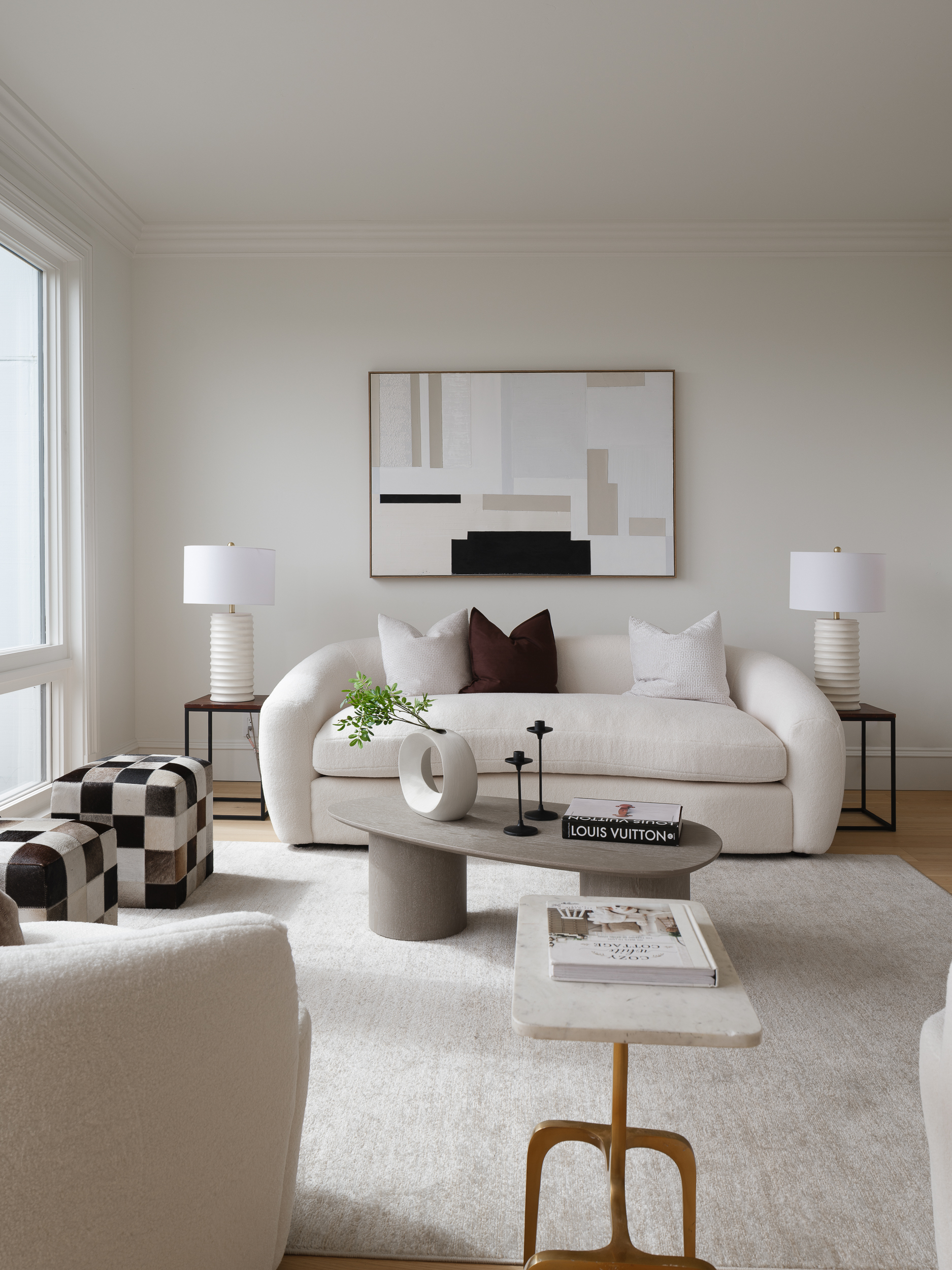
Here is the clearest opinion behind our work: restraint sells better than decoration. A home for sale should not try to prove how much style it has. It should create enough atmosphere that buyers want to stay, while leaving enough visual room for them to imagine their own routines. Coffee on the counter. Shoes near the entry. A book on the nightstand. Not piles of props, not themed rooms, not a color story that fights the architecture.
Many sellers worry that restraint will look too plain. We see the opposite. When a room has the right scale, warm lamp light, clean surfaces, and a few strong textures, it photographs with confidence. The wood grain on a console becomes visible. The ceiling height reads. The fireplace gets its own pause. Buyers do not have to push past visual noise to understand what they are buying.
This is where designer literacy helps. Our team looks at proportion, flow, negative space, finish temperature, window placement, and photo angles. We ask simple but important questions. Where will the buyer’s eye land from the doorway? Does the rug make the seating area feel intentional? Does the bed overwhelm the room? Does the artwork help the wall, or does it pull attention away from the window?
We are not trying to make every home look the same. We are trying to make each home feel legible. A condo with clean lines may need slim furniture, quiet art, and glass that catches the light. A traditional house may need warmer wood, softer upholstery, and a table lamp that gives the corner some weight. The room tells us what it can carry.
Why Bay Area sellers need a different staging eye
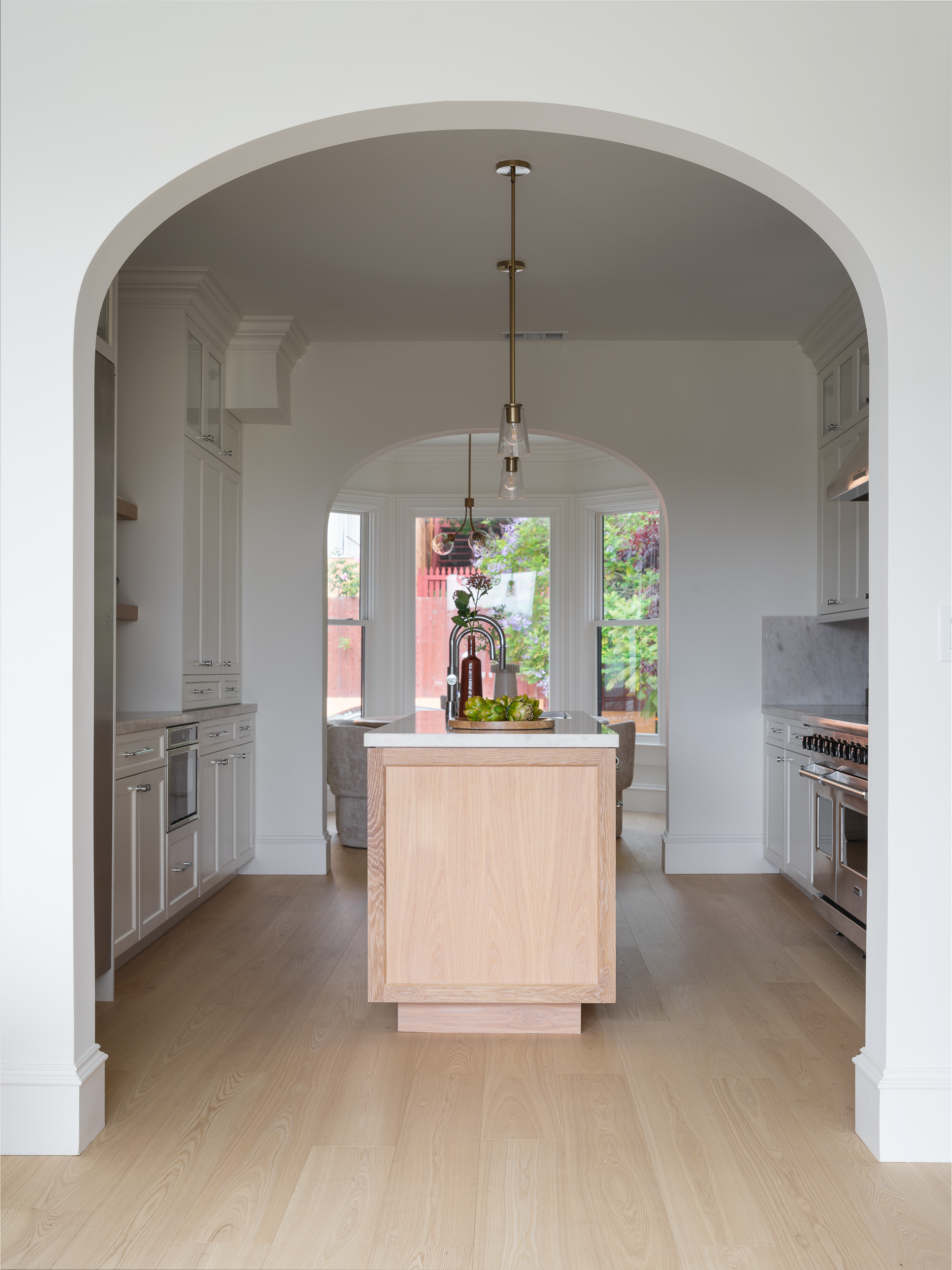
Bay Area homes ask for careful judgment. Some properties have compact rooms where one oversized sectional can make the space feel tight. Some have open plans where furniture has to create zones without blocking movement. Some get cool morning light filtered through marine layer; others take strong afternoon glare across hardwood floors. The staging has to respond to the house, not just fill it.
Sellers here often face smart buyers who have toured enough homes to notice when something feels off. They may not use design language, but they can feel when a dining area looks forced, when a bedroom photograph hides a scale problem, or when a living room has furniture but no real conversation area. Staging should make the home easier to trust.
That is why we stay close to the architecture. If the ceiling is low, we avoid heavy silhouettes. If the entry is narrow, we keep it clean and useful: maybe a slim console, a round mirror, and a lamp that warms the first step inside. If the kitchen has cool stone and stainless steel, we may bring in woven texture, pale wood, or ceramic pieces so the room feels less hard in photos.
For sellers comparing options, our /portfolio is a useful place to start. Look less at whether each room matches your personal taste and more at what the staging does for scale, light, and flow. A good staged room should help you understand the property faster.
The Mia’s Home Staging process, without the mystery
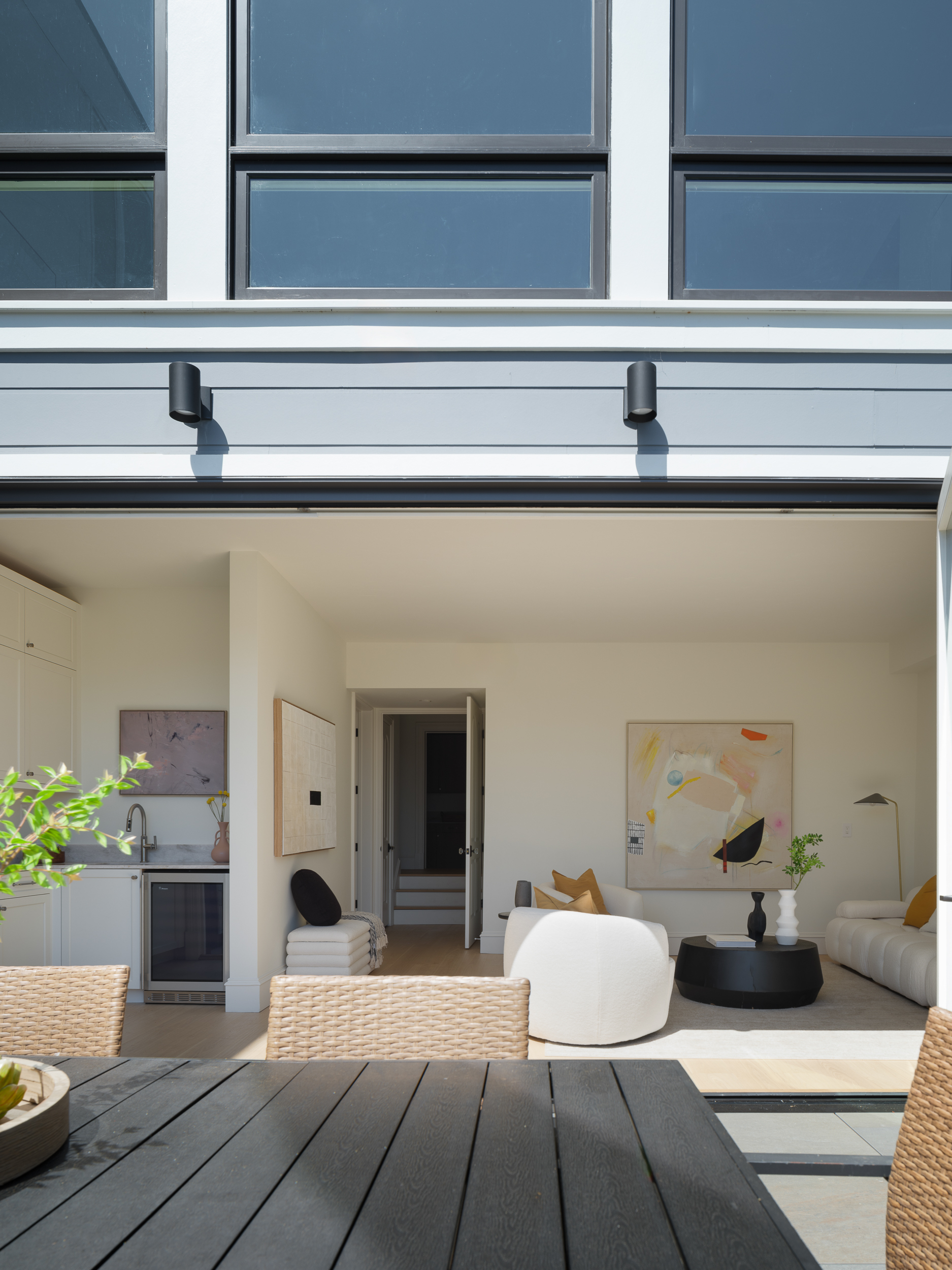
A seller does not need a vague process during a listing prep week. They need clear decisions. Our work usually starts with the home itself: room sizes, natural light, floor finish, wall color, architectural style, and the way someone moves from entry to living room to kitchen. A tape measure on the counter and a few phone photos can tell us a lot before any furniture is selected.
From there, we decide what level of staging makes sense. For a vacant property, we plan the main rooms buyers care about most and choose pieces that support the listing photos and in-person walkthrough. For an occupied property, we may recommend packing extra furniture, simplifying shelves, changing bedding, adjusting art, or bringing in select pieces where the existing room needs help.
On install day, the work becomes physical. Rugs unroll. Sofas clear door frames by inches. Table lamps get tested near outlets. Artwork leans against walls before it finds the right height. The room changes not because we add more, but because each piece starts doing a job. The dining table gives scale. The bed centers the bedroom. The accent chair shows where a quiet reading corner could be.
Before the home is photographed, we look again. We check wrinkles in bedding, lamp cords, pillow angles, sightlines, and the way surfaces catch light. Small adjustments matter because listing photos compress the room into a few seconds of attention. A crooked shade or crowded coffee table can pull the eye away from the feature buyers should notice.
A founder-led standard, not a furniture warehouse mindset
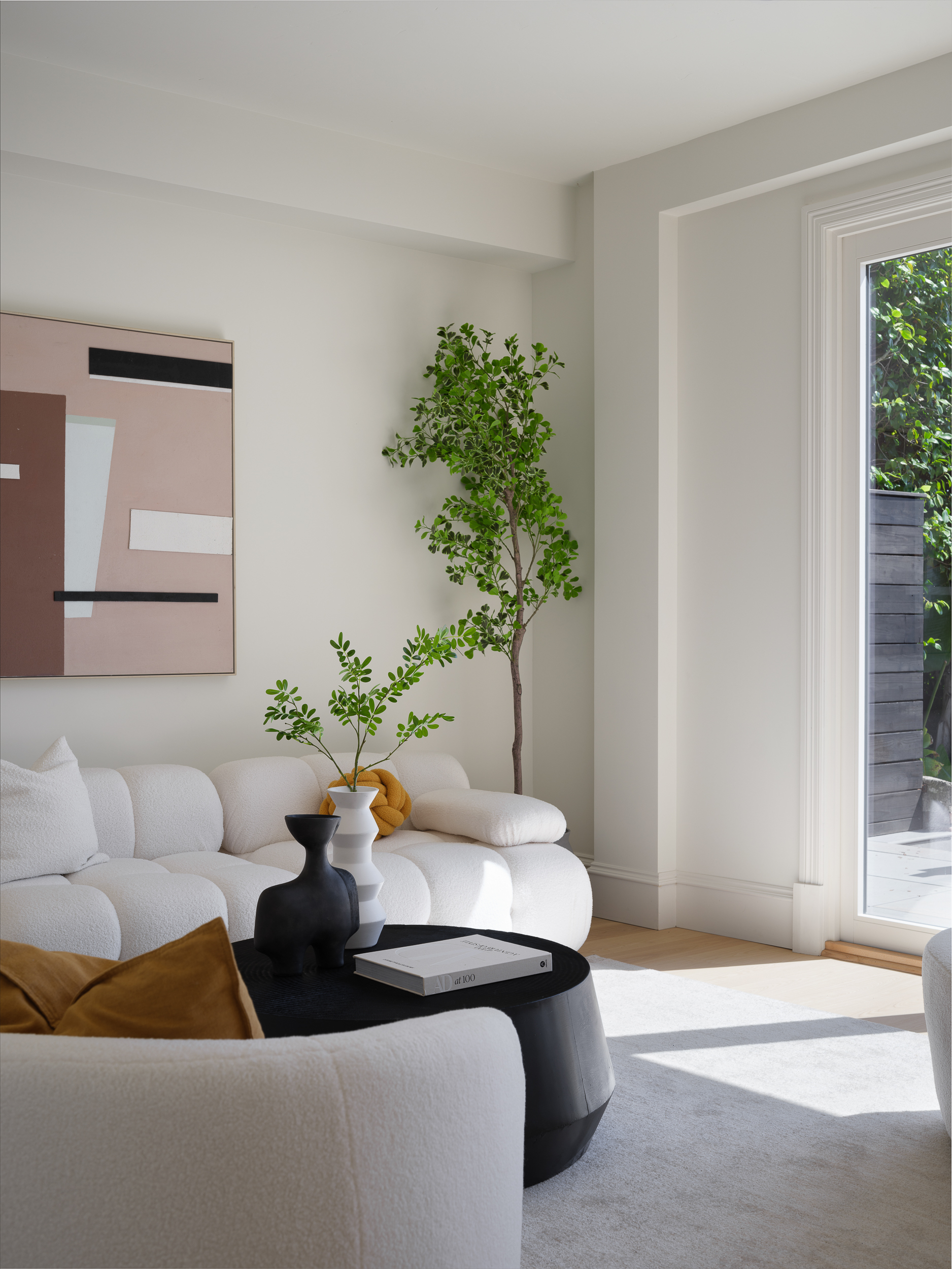
Mia Wang’s name is on the company, and that matters to how the work gets reviewed. Mia’s Home Staging is not built around the idea that furniture alone solves a room. Furniture can help, but only if someone understands why that particular piece belongs there. A linen shade, a charcoal side table, or a curved dining chair only earns its place when it supports the home’s proportions and the seller’s goal.
Our brand lives in the balance between warmth and discipline. Warmth keeps a room from feeling sterile. Discipline keeps it from feeling personal in the wrong way. We want buyers to feel welcome, but we do not want them studying the staging more than the house. That is editorial restraint: choose the frame, remove the clutter, let the strongest parts of the property come forward.
This standard also shapes how we talk to sellers. We will not tell you that every room needs everything. We will not recommend adding pieces just to make an invoice larger. If a space needs editing instead of more furniture, we say that. If a room needs scale more than color, we say that too. Clear advice saves time, especially when the listing calendar is already moving.
If you want to understand the difference between full staging, partial staging, and consulting, our /services page outlines the main ways we help sellers prepare. The right scope depends on the home, its current condition, the listing strategy, and what the property needs to photograph clearly.
Warmth keeps a room from feeling sterile. Discipline keeps it from feeling personal in the wrong way.
What sellers often feel before staging
Most sellers come to staging with a mix of urgency and uncertainty. The house may be empty and echoing after move-out. Or it may still hold the normal layers of daily life: family photos, extra chairs, mail on the counter, a laundry basket near the hallway. Preparing to sell can make familiar rooms feel suddenly public. That shift can be uncomfortable.
Our role is to make the next decisions easier. We separate personal taste from market presentation. We explain why a room needs breathing space, why a rug should be larger, why a nightstand can help a small bedroom read as a bedroom instead of a spare room. We keep the language plain because sellers already have enough to manage.
Staging also gives a seller a little distance. Once the rooms feel edited, lit, and ready for buyers, the home begins to shift from a private place into a listed property. That shift matters. It helps the seller move through the process with more clarity, and it helps buyers walk in without feeling like they are intruding on someone else’s life.
The best compliment is not that a buyer noticed every item we placed. The better result is quieter: the buyer understands the layout, remembers the light in the living room, and can picture dinner at the table without working too hard to get there.
Where the brand goes from here
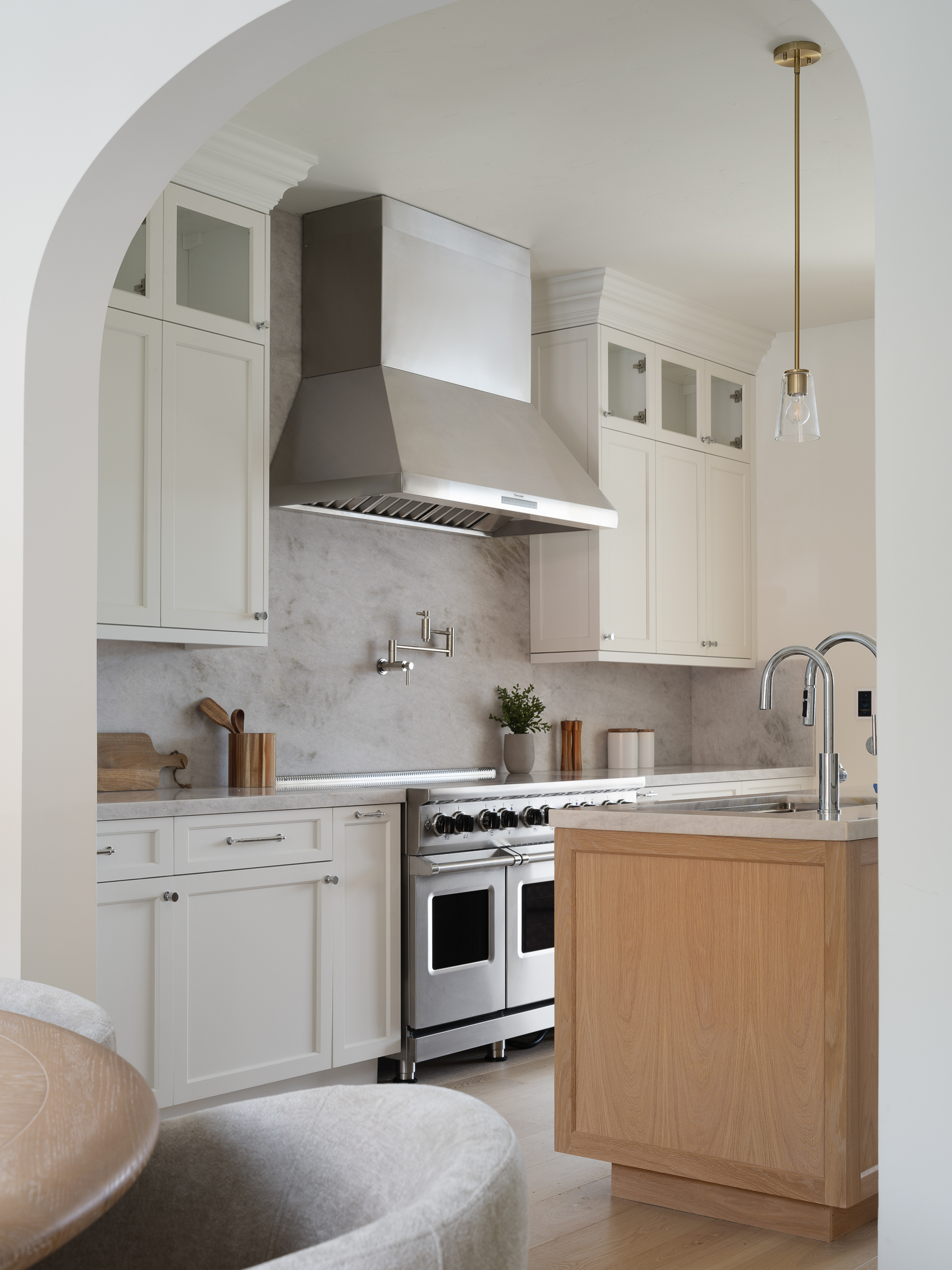
Mia’s Home Staging will keep doing what has always made sense to us: look closely, edit carefully, and stage homes in a way that supports the sale without flattening the property’s character. The Bay Area market has many home styles and many seller situations, but the buyer experience still begins with the same human response. The door opens. The room has a temperature, a sound, a path, and a feeling.
Our brand story is not about making rooms louder. It is about making them clearer. We believe good staging should respect the architecture, respect the seller’s timeline, and respect the buyer’s intelligence. That belief shows up in small choices: a bench that keeps an entry open, bedding that photographs cleanly, a table lamp that softens a shadowed corner, or a decision to leave a wall empty because the window already gives the room enough.
If you are preparing to sell, you do not need to know every design term before you call us. Bring the address, the listing goals, and the current condition of the home. We will help you decide whether you need staging, consulting, or a more focused plan. Then we will keep the work practical, edited, and aligned with how buyers actually move through a home.


